The popularity of Europe as a tourist destination remains unmatched. In 2025, tourists spent about 3.1 billion nights in accommodations around the continent. Given the massive number of tourists visiting Europe, 2026 will also see many visitors. Europe tourism is booming, which is not surprising. The range is simply staggering, from the ancient stones of Rome to the art-drenched halls of the Louvre Museum in Paris and the majestic fjords of Norway.
This Europe trip guide will help you get around the essentials if you are looking for a multi country backpacking trip or looking at specific Europe Tour Packages. We will discuss important things like visa rules for Indians, best times to visit, and how to handle money in different countries. Getting these details right will set you up for an amazing European adventure; a great trip just requires a little planning.
Europe at a Glance: The Destination Snapshot
Continent & Countries: Europe is made up of 44 countries. As of 2026, 29 of these are in the border-free Schengen Area.
Major Capitals: Key travel hubs include Paris, Berlin, Rome, Madrid, Amsterdam, Vienna, and Prague.
Currency: The Euro (EUR) is the main currency in 20 EU countries. But many nations, like the UK (Pound), Switzerland (Franc), and the Czech Republic (Koruna), use their own money.
Languages: The EU has 24 official languages. You'll find that English is widely spoken in big cities and tourist spots, but learning a few local phrases is always a nice touch.
Connectivity: It's easy to buy local SIM cards from providers like Vodafone, Orange, or T-Mobile at airports. EU roaming rules often let a single SIM work across many countries for EU numbers. Travelers from India should grab a local SIM or an international roaming plan.
Public Transport: Most cities have fantastic public transport (metros, trams, buses) that is fast and won't break the bank. Apps and multi-day passes make it simple to get around. Some cities even give free public transit to tourists staying in official hotels.
Tap Water: The tap water is safe to drink in almost all of Western and Central Europe. Bringing a reusable bottle is a smart way to save money and cut down on plastic waste.
Tipping: Tipping is much more low-key than in the US. In many countries, a 5 to 10% tip for good restaurant service is generous. Often, just rounding up the bill is enough. It's almost never required.
Emergency Number: The universal emergency number for all of Europe is 112.
One thing that surprises first-timers is that Europe doesn't feel like one single place. Scandinavia and the Mediterranean can seem like two different worlds, culturally, climatically and in terms of cost. Even within the EU, Eastern Europe has a totally different vibe and cost than Western Europe. For example, in 2025 Malta recorded a 10.1 % increase in tourist nights and Poland a 7.2 % growth in tourism (Eurostat, 2026). This suggests that travellers are beginning to think beyond the standard Paris and Rome loop.
How to Plan Your Europe Tourism Trip
Visa Requirements
If you hold an Indian passport, you'll need a Schengen Visa for the Schengen Area, which now covers 29 European countries. A single Schengen visa lets you travel freely between these countries without border checks for its entire validity.
You should apply at the embassy or consulate of the country where you plan to spend the most time. If your stay is split evenly, apply at the embassy of the country you'll enter first, as any Europe travel guide will suggest
Key Schengen Visa requirements for Indian travelers:
A valid passport that expires at least 3 months after you plan to return, with two blank pages.
The completed Schengen visa application form.
Recent passport-sized photos that meet the Schengen requirements.
Travel insurance that covers at least EUR 30,000 and is valid in all Schengen countries.
A confirmed round-trip flight itinerary.
Proof of hotel bookings or accommodation for your entire trip.
Bank statements from the last 3 to 6 months to show you have enough money for the trip.
Proof that you have a job or own a business (like a leave letter, ITR, or business registration).
Remember, not all of Europe is part of the Schengen Area. The UK, Ireland, and several Balkan countries have their own separate entry rules and visa processes. If your trip includes London along with Paris and Amsterdam, you'll need to apply for a separate UK visa, which means extra time and fees.
A heads-up about ETIAS. Starting in mid-2025, travelers from visa-exempt countries (like the US and Canada) will need an ETIAS authorization to enter the Schengen Area. This doesn't affect Indian travelers who already need a visa, but it's good to know if you're traveling with friends from those countries. For the latest information, always check the official EU travel portal.
How to Reach Europe from India
Flying is the only practical way to get to Europe from India. The best flight for you will depend on your priorities, whether that's cost, time, or convenience.
Flights From India to Europe
Direct Flights: These are the fastest choice, with flight times around 9 to 11 hours. Airlines like Air India, Vistara, Lufthansa, and British Airways offer non-stop flights from major Indian cities (Delhi, Mumbai, Bengaluru) to big European hubs like London, Paris, Frankfurt, and Amsterdam.
Connecting Flights: This is often a more budget-friendly option and can save you a good amount of money. Airlines such as Emirates (through Dubai), Qatar Airways (through Doha), and Etihad (through Abu Dhabi) have huge networks across Europe. These flights add 3 to 5 hours to your travel time but offer great connections.
Booking Strategy: To find the best prices, try to book your tickets 8 to 12 weeks before you travel. This is especially true if you're flying during the shoulder seasons (April to June, September to October).
Travel Within Europe
Budget Airlines: For traveling long distances between European cities, budget airlines like Ryanair, easyJet, and Wizz Air have very competitive prices. Book ahead for the best deals, but watch out for their strict baggage rules and extra fees.
Trains: Europe's train system is amazing. It's extensive, comfortable, and offers beautiful views. A Eurail pass is a great choice for travelers visiting several countries, as it offers both flexibility and convenience. High-speed trains connect major cities quickly and efficiently.
Buses: If you want to travel around Europe on a budget, long-distance buses are a fantastic option. Companies like FlixBus and Eurolines connect thousands of places, including smaller towns that trains might not go to.
Travel Insurance
Planning a trip to Europe? Travel insurance is something you absolutely must have. For Indian citizens who need a Schengen visa, your policy must provide minimum coverage of €30,000 for medical emergencies, hospital stays, and repatriation. This ensures that you are financially protected from unforeseen medical problems, which can be extremely costly for visitors in Europe.
A good travel insurance policy is an essential safety net as well as a visa requirement. It can include coverage for things such as trip cancellations, lost luggage, and flight delays. When purchasing a policy, ensure it is valid for the entire duration of your stay and that it covers all 29 Schengen countries, even if you only intend to visit a couple of them. Always keep a digital copy of your insurance certificate and have a hard copy with you, as you may be asked to present it at border control.
Currency and Payments
The Euro (EUR) is used in a large part of Europe (20 EU countries), but it's not a single-currency zone. Switzerland uses the Swiss Franc (CHF), the Czech Republic has the Czech Koruna (CZK), Hungary has the Forint (HUF), and the UK uses the Pound Sterling (GBP). If you're traveling across borders, you'll likely be dealing with multiple currencies.
For most travelers from India, a good strategy is to have a mix of payment options. A forex card loaded with Euros, some cash for small towns and markets, and a zero-markup international debit or credit card (like Niyo Global or HDFC Regalia) for ATM withdrawals is a smooth setup. Try to avoid exchanging money at airports, where rates are usually terrible. If you need cash right when you land, exchange only a small amount and get the rest from city ATMs or official exchange bureaus. When a card machine gives you the option, always choose to pay in the local currency and say no to "dynamic currency conversion." That's a common way hidden fees are added.
Budget tip: Eastern European countries like the Czech Republic, Hungary, and Poland are much cheaper than Western Europe. Cities like Prague, Budapest, and Warsaw offer amazing food, nightlife, and culture for about 40 to 50% of what you would spend in Paris or Zurich.
Best Time to Visit Europe
The best time to visit Europe really depends on what you want from your trip and how many crowds you can handle. The sweet spots are late spring (April to June) and early autumn (September to October) for most. The weather is good, the prices are more reasonable and the cities don’t feel totally swamped. The height of the season is July and August. During school holidays, hotel prices skyrocket and famous sites like the Eiffel Tower or the Colosseum can be so crowded and exhausting.
Spring (April - June): Ideal for appreciating blossoms while the weather is pleasant and the crowds smaller. Just be prepared for a bit of rain, particularly in Northern Europe.
Summer (July - August): The most popular season with its long sunny days, many festivals, and ideal beach weather. This will be when crowds are at their largest and costs the highest.
Autumn (September - October): An excellent time to enjoy the harvest festivals, colorful foliage, and less expensive costs. This is when the rainy weather begins to appear.
Winter (November - February): Discover magical Christmas markets and enjoy skiing. Many cities are less crowded with tourists. The days are shorter, and some attractions might have reduced hours or be closed.
Top Destinations and Experiences Worth Planning Around
Most trips start with the classics, and that makes a lot of sense. Paris, Rome, Barcelona, Amsterdam, and Prague are on everyone's wish list for good reason. But the real fun of Europe tourism begins when you start to explore the many other things to do in Europe and stop trying to follow the same itinerary as everyone else.
Destinations worth adding to your Europe tourism itinerary:
Paris, France: Home to The Louvre, the Eiffel Tower, Montmartre, and some of the world's best pastries. Make sure to book skip-the-line tickets for the Louvre weeks in advance.
Prague, Czech Republic: One of Europe's most beautiful cities, with a storybook old town and some of the cheapest beer on the continent.
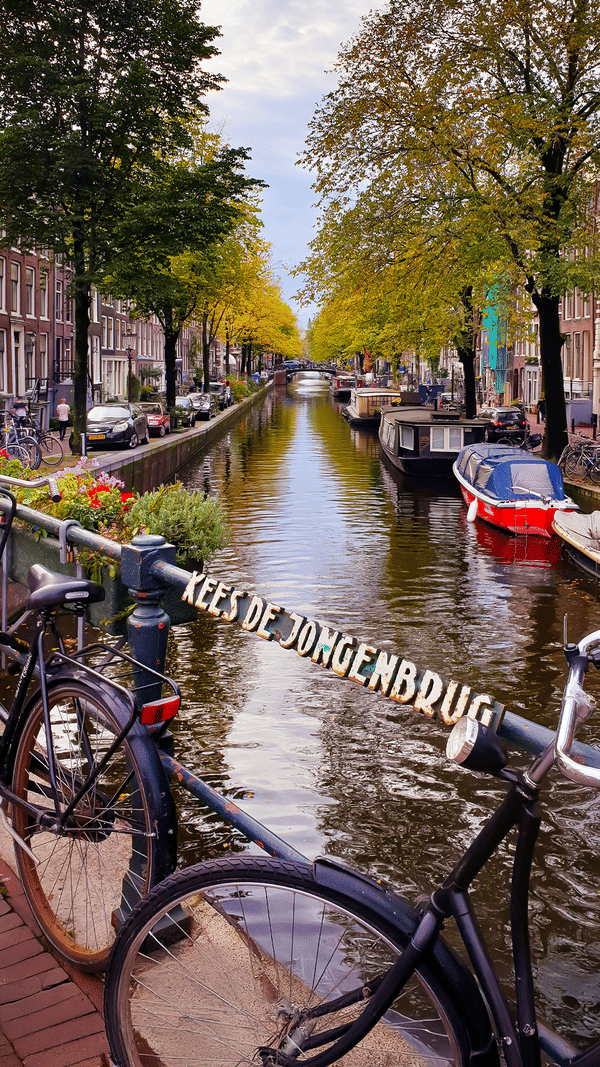
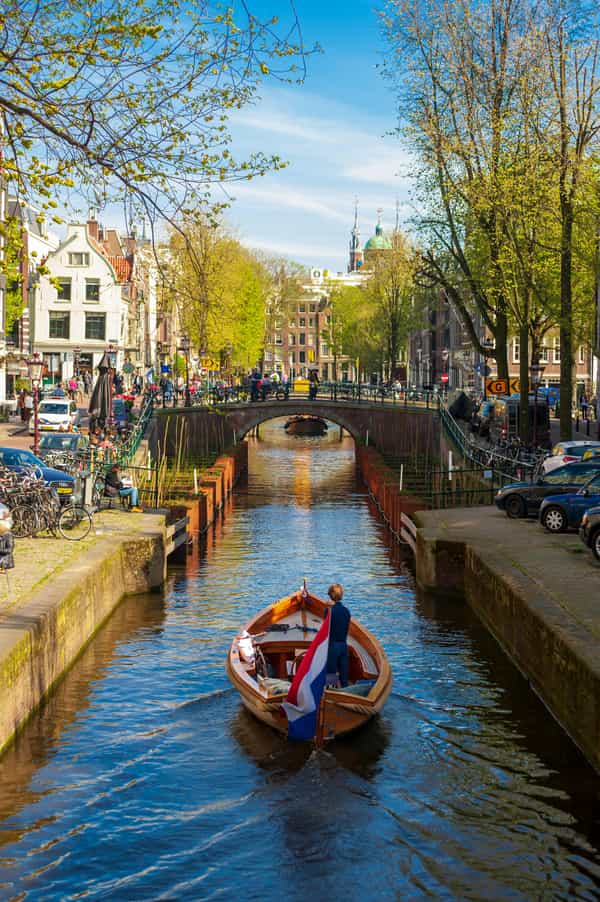
Amsterdam, Netherlands: Famous for its canal cruises, the Anne Frank House, and the Van Gogh Museum. Rent a bike and explore the city like a local.
Vienna, Austria: A city of grand palaces, world-class coffee houses, and classical music concerts that feel truly special.
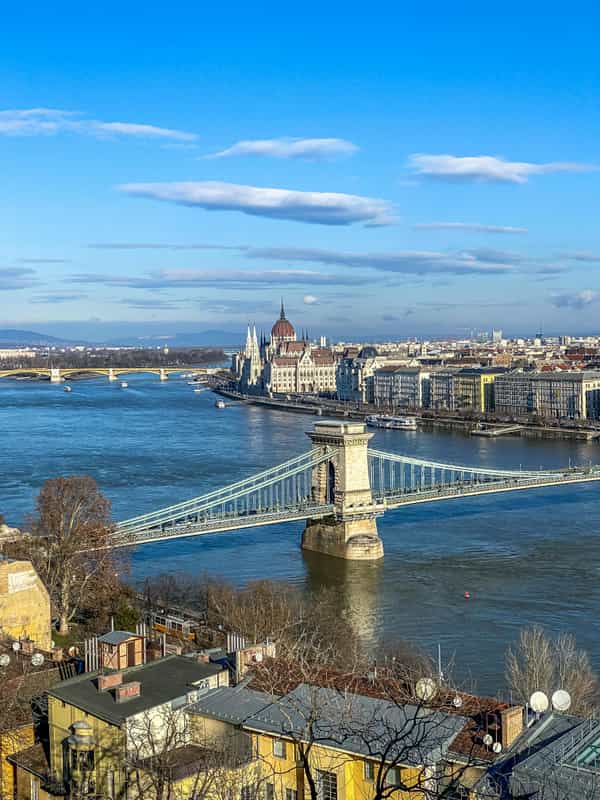
Budapest, Hungary: Known for its thermal baths, a breathtaking Parliament building on the Danube, and unique ruin bars you won't find anywhere else.
Santorini & Athens, Greece: Iconic white-washed cliffs and ancient history. The best time to visit is May or September to avoid the summer crowds.
Dubrovnik, Croatia: Called the "Pearl of the Adriatic," this city features medieval walls and a stunning coastline. It's a rising star in European tourism.
Porto, Portugal: An underrated and deeply charming city that's much cheaper than Lisbon. The port wine cellars alone are worth the trip.
If you want a multi-city trip with a clear plan without spending weeks managing trains, hotels, and transfers, a planned itinerary can save you a lot of stress. The Paris, Amsterdam, Prague & Vienna Trip combines four amazing cities into one great route. And if your trip is centered around a big music festival, the Europe Trip with Tomorrowland is an excellent way to see Belgium and other parts of Europe.
Suggested Europe Tourism Itineraries
Figuring out your route can be the toughest part of planning, and as any Europe travel guide will tell you, Europe is huge, and trying to see it all will only lead to a rushed and stressful trip. A better approach is to focus on a specific region or a theme. Here are a few popular and well-loved itinerary ideas to help you get started.
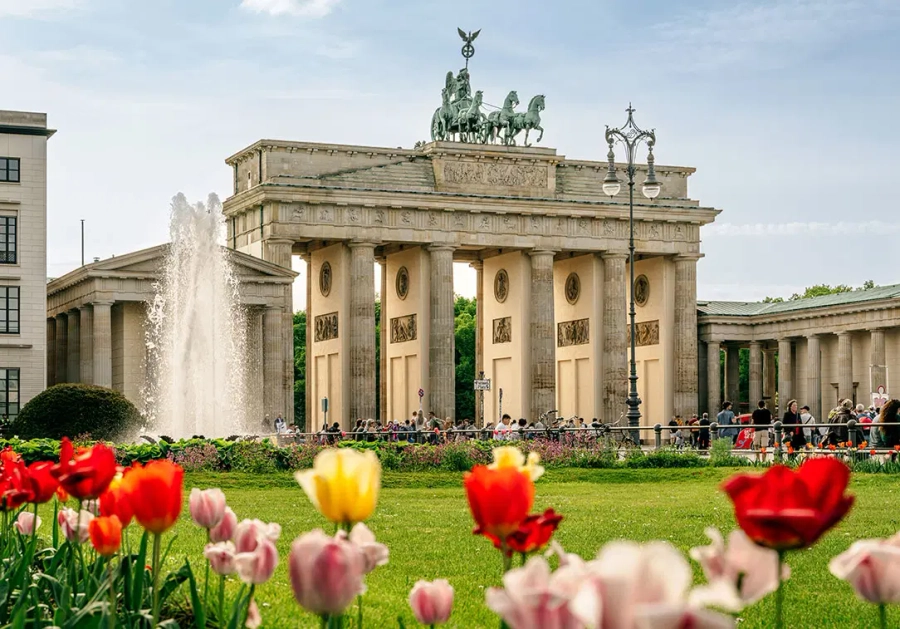
Classic Western Europe Loop (10-14 days): This is a favorite for first-time visitors and covers some of the most iconic cities. A common way to do this is Paris -> Amsterdam -> Berlin -> Prague. This route is well served by high speed trains and has a great mix of art, history and nightlife.
Mediterranean Sunshine (10-12 Days): If you’re after sun, history and great food then a journey across Spain, Italy and Greece is perfect. You could focus on one country, like an Italian tour of Rome, Florence and Venice, or mix highlights like Barcelona, the Amalfi Coast and Athens.
Central & Eastern European Charm (7-10 Days): This route is more wallet friendly and has gorgeous architecture. A classic trip would include Prague, Vienna and Budapest, each with its own imperial history and vibrant culture.
Alpine Adventure (7-9 Days): If you’re a nature lover and enjoy beautiful landscapes, then a trip dedicated to the Alps is a must. You might want to hike in the Swiss Alps around Interlaken and Zermatt, or you could do a trip combining the mountains of Switzerland, Austria and Germany for amazing scenery and outdoor activities.
Practical Travel Tips for a Smoother Europe Trip
A few simple habits can make the difference between a smooth trip and a stressful one. In countries like Italy and France, always validate your train ticket in a machine on the platform before you board. Forgetting this step can get you fined, even if you bought a ticket. For popular museums and attractions, book your timed entry online well in advance, especially during peak season.
And don’t think tipping is the same everywhere. It’s expected in the US, but more optional (though still appreciated) in much of Europe, as any Europe trip guide will tell you. In some Nordic countries, it can even feel a bit out of place.
Essential travel tips for Europe from India:
Get yourself a universal travel adapter because Europe mainly has Type C, E, and F sockets.
Make sure you carry all the necessary documents like your passport, visa, insurance, and hotel confirmations in both soft copy and hard copy.
Always use public transport where possible; the subway in Paris, Berlin, and Madrid is fast and cheap.
Pick up at least five to ten words from the local language. Words like "merci" and "danke" go a long way.
Always book somewhere in the city center. Saving €20 a night on a hotel far from the center often costs you more in travel time and money.
Travel insurance is absolutely essential. It's a requirement for the Schengen visa and a real safety net.
Apply for your Schengen visa at least 6 to 8 weeks before you leave. Processing times can vary by embassy.
Download offline maps on Google Maps or Maps.me before you arrive. Surprise data roaming charges are no fun.
This Europe trip guide is meant to give you a strong start, but the best trips always have room for a little spontaneity. Don't plan out every single minute of every day. Some of the best travel memories are made when you get a little lost on purpose.
The Takeaway: Europe Rewards Those Who Plan Well
Europe tourism continues to break records for a simple reason. The continent offers a unique combination of history you can walk through, food worth traveling for, and landscapes that change completely from one region to the next. The concentration of world-class experiences is hard to beat. The nearly 3.1 billion tourist nights spent in the EU in 2025 weren't an accident. They represent millions of successful trips and countless repeat visitors.
The difference between a frustrating trip and a fantastic one often comes down to good planning. This means applying for your visa early, picking the right season, managing your money wisely, and building an itinerary that doesn't try to squeeze 12 countries into 10 days. Start with the basics, set a pace that matches your travel style, and let this Europe travel guide help you have an unforgettable trip. When you're ready to start booking, check out WanderOn and find a route that fits your budget and how you love to travel.
Recently went on a central Europe trip with Wanderon, and it was a fabulous experience. Everything- from visa assistance to trip planning, including hotels was spot on, which made the whole experience enjoyable. Special thanks to Anshika, Yashwant, Yash, Aditya, Shipra for coordinating everything smoothly for my trip.
sahil girdhar
6 Jan 2026
I had a very good experience with WanderOn.
From planning to execution everything was super smooth.
The experts here listen and understand to all of your points during planning and create a curated package.
The most important part of getting VISAs done is in very smart and safe hands of Yashwant from Visa team, he will get it done with ease just submit your details to him.
Then Akash from Execution team will handle all the ground activities of execution. His support 24*7 during the trip is commendable.
Keep it up..
P.S. I booked my honeymoon package for Exploring Europe.
Achin Saxena
15 Dec 2025
WanderOn helped us to build a customised plan and arranged our honeymoon trip to Europe. They prepared the best possible arrangements for us in our budget. Special thanks to Aakash and Abhishek for being proactive starting from booking till the end of our journey.
Visited the rich Heritage of Athens and saw the natural wonders at Santorini in Greece.
Sushmit Tripathi
4 Nov 2025
Had an amazing experience with WanderOn on my recent trip to Europe! Everything was perfectly organized — from the itinerary and hotel bookings to local transfers and on-trip support. The team was professional, responsive, and genuinely cared about making the journey smooth and enjoyable. Special thanks to Deepak, Shreyash and Azad for the personal attention and excellent coordination. Highly recommended for anyone looking for a hassle-free and memorable travel experience!
Frequently Asked Questions
Your right to Know!
01
Do Indian passport holders need a visa for every European country?
Indian passport holders need a Schengen visa for the 29 countries in the Schengen Area. This visa covers most of Western and Central Europe. However, countries like the UK, Ireland, and some Balkan nations require their own separate visas. Always check the specific entry rules for any non-Schengen countries you plan to visit.
02
What would be an ideal time for a Europe trip for a first-time traveler?
Late spring (April-June) and early fall (September-October) would be ideal timings. Both these months provide pleasant climatic conditions, lower costs, and less crowded places compared to the peak travel months – July and August. If one wants to experience the Christmas Markets, visiting countries such as Vienna, Prague, and Strasbourg in December would be highly recommended.
03
How much does it cost to take a Europe tour from India?
Taking a budget-friendly 10-12 day Europe tour from India would cost roughly ₹1.5-2 lakh. For moderate-level travelers planning to explore western parts of Europe like Paris and Rome, the trip would cost around ₹2.5-4 lakh. The cost of flight tickets would be approximately ₹50,000 to ₹90,000.
04
Is it safe to travel solo in Europe?
Europe is generally regarded as very safe for women traveling alone. It’s a good idea to take standard precautions against pickpocketing in crowded tourist areas, especially in cities like Paris, Barcelona and Rome. Iceland, Portugal and Switzerland are often cited as the safest countries in the world for solo female travellers. Exploring alone is safe thanks to well-lit central areas and reliable public transportation.
05
What is the easiest way to travel between European countries?
Trains are comfortable and offer great scenery for medium distances. Eurail passes can be a good value if you are visiting many countries. For longer distances budget airlines such as Ryanair and easyJet are faster. Buses (like those from FlixBus) are the cheapest, but also the slowest. A pre-planned tour can be a great way to take the stress out of logistics as well.
Europe Travel Guidelines
1. Indians need a Schengen visa for most of Europe, so apply at least 30-45 days before travel with confirmed bookings.
2. Pack layered clothing for Europe, as weather can vary significantly between northern capitals and Mediterranean destinations in a day.
3. Keep your passport and wallet secured — pickpocketing is common at tourist hubs like the Eiffel Tower or Barcelona's Rambla.
4. Validate train tickets at station machines in several European countries, or risk heavy fines during random ticket checks.
5. Carry a universal travel adapter, as Europe uses different plug types between the UK, continental Europe, and Switzerland.
6. Tipping norms differ widely across Europe — service is usually included in Italy but expected in France and the UK.