


Germany has a way of surprising you, no matter when you show up.
But if you want the sweet spot, May, June, September, and October are hard to beat - comfortable weather, fewer crowds, better prices, and enough daylight to actually do things without rushing.
Go in summer, and you'll catch open-air festivals, beer gardens in full swing, and that electric energy Germans do so well. Go in winter, and suddenly you're standing inside a Christmas market that feels too pretty to be real.
Over 40 million tourists visit Germany every year (Statista, 2024). That number alone tells you this place delivers, season after season.
The best time to visit Germany is honestly the one that matches your travel style. Beach lover, history buff, foodie, hiker - Germany has a version of itself for all of them.
Looking to go beyond just one country? OurEurope Tour Packages let you pair Germany with the best of Europe, all in one trip.
Best-Selling Europe Holiday Packages

Best of Europe 2026: 10-Days Tour from Paris to Rome
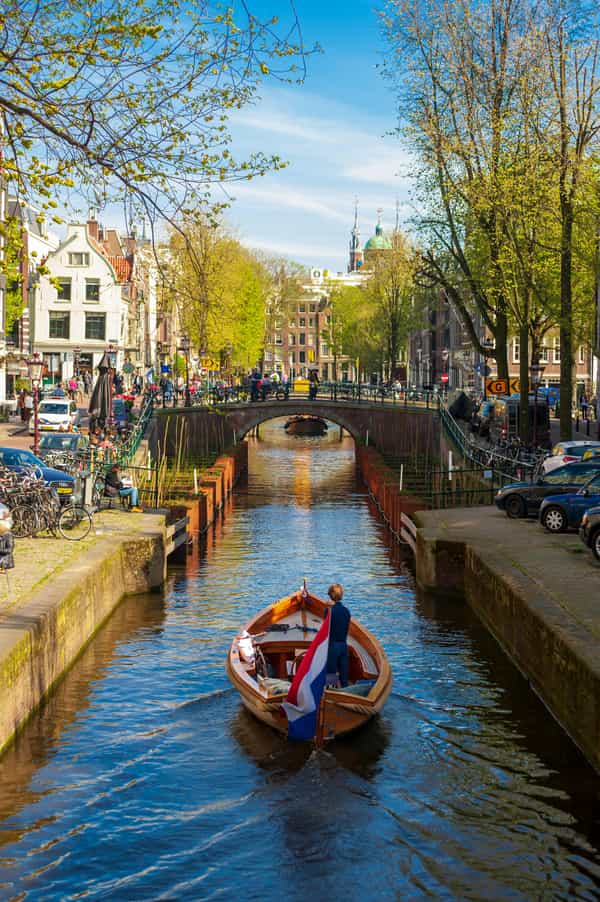
9 Days Amazing Europe Tour: France, Belgium, The Netherlands, Germany, Switzerland

11 Days European Pathways Community Trip - France, Netherlands, Germany, Czechia
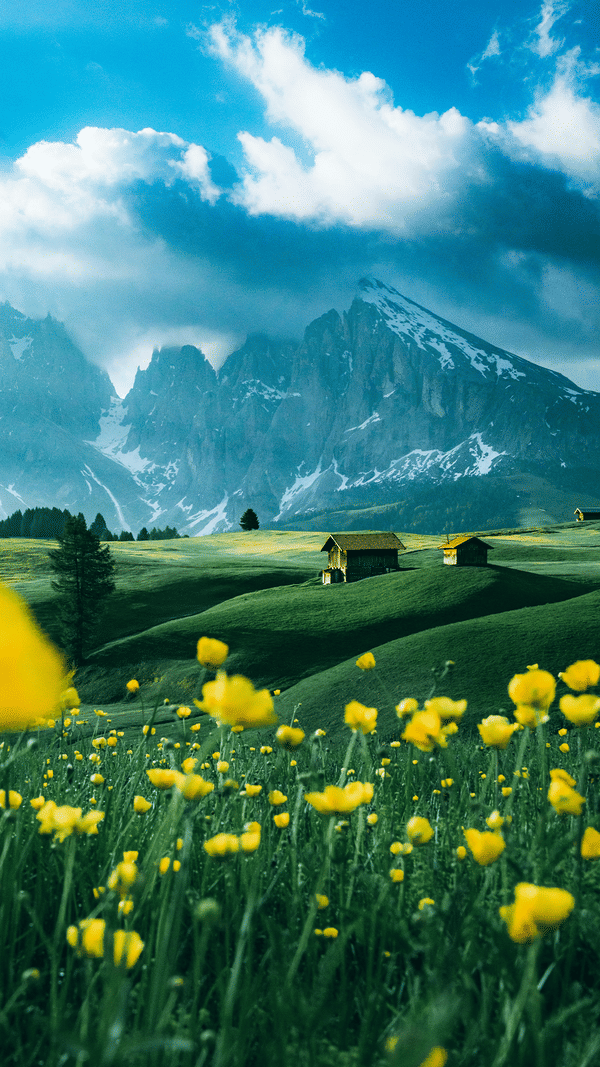
11 Days Amazing Europe Tour Package
Germany Weather by Month – Big Picture

Before deciding the best time to visit Germany, it helps to understand how the weather changes throughout the year. Looking at it month by month gives you a clearer idea of what your trip will feel like, while best time to visit Europe can help if you’re comparing seasons across several destinations.
January
Temp: -1°C to 4°C
Coldest month in most regions
Short days and limited sunlight
Best for quiet city trips and museums
February
Temp: 0°C to 6°C
Still cold and grey
Fewer tourists around
Good for budget travel
March
Temp: 3°C to 10°C
Early signs of spring
A mix of rain and mild days
Crowds still low
April
Temp: 7°C to 15°C
The weather starts improving
Flowers begin to bloom
A decent time for sightseeing
May
Temp: 10°C to 20°C
Pleasant and lively
Parks and outdoor cafés open
Often considered the best month to visit Germany
June
Temp: 14°C to 23°C
Comfortable and bright
Long daylight hours
Great for travel across cities
July
Temp: 17°C to 25°C
Warm and busy
This is the peak season in Germany
Expect crowds and higher prices
August
Temp: 17°C to 25°C
Similar to July
Still part of the best season to visit Germany
Busy but slightly calmer late in the month
September
Temp: 13°C to 22°C
Mild and comfortable
Fewer tourists than in the summer
Often, the best time to go to Germany
October
Temp: 8°C to 15°C
Cool and crisp
Autumn colours appear
Good for relaxed travel
November
Temp: 4°C to 10°C
Chilly and quiet
Low tourist season
Better for budget trips
December
Temp: 0°C to 6°C
Cold but festive
Christmas markets everywhere
A unique time to experience Germany
Germany Temperature by Season
- Winter (Dec–Feb): -1°C to 6°C – cold and quiet
- Spring (Mar–May): 7°C to 20°C – fresh and lively
- Summer (Jun–Aug): 17°C to 25°C – warm and busy
- Autumn (Sep–Nov): 8°C to 22°C – cool and comfortable
Understanding this makes it easier to decide the best time to visit Germany based on what you enjoy.
Suggested Read:Visa Free Countries in Europe for India (Myths vs Reality)
Germany in Summer (June to August) – Peak Season

Summer is when Germany feels fully open. The days are long, the streets are active, and almost everything moves outdoors. For many travellers, this is the best time to visit Germany if you want energy, events, and a packed itinerary, making it a natural fit for Europe tour packages in summer.
At the same time, this is also the peak season in Germany, so you need to go in with realistic expectations.
When is Peak Season in Germany?
The peak season in Germany runs from June through August, with July being the busiest month. Schools across Europe are on holiday, festivals are everywhere, and tourism hits its highest point.
Seasonal Overview
- Temperature: Expect average daytime temperatures between 18°C and 25°C. Some days can feel warmer, especially in July, but extreme heat is uncommon.
- Daylight: One of the biggest advantages. In June and July, the sun sets close to 9:30–10 PM. You get long, stretched-out days, which makes sightseeing feel less rushed.
- Weather Conditions: Mostly pleasant and bright, but not perfect every day. Short rain showers can happen anytime, so carrying a light jacket is still a good idea.
- Crowds & Costs: This is where things change. Summer is expensive. Flights, hotels, and tours cost more. Major attractions in cities like Berlin and Munich can get crowded if you don’t plan.
What Makes Summer Special
- Outdoor Life at Its Peak: Beer gardens, riverside spots, and public squares are full. People spend more time outside, and cities feel social without trying too hard. This is when Germany feels most open.
- Festivals and Events: Summer is packed with concerts, street festivals, and cultural events. This is a big reason why many consider this the best time to travel to Germany.
- Easy City Exploration: Walking through historic centres, visiting castles, or just sitting in a square feels easier in good weather.
- Day Trips Become Better:Places to visit in Germany, like the Bavarian countryside or the Rhine Valley, are far more enjoyable in summer. This adds to why it’s often seen as the best time to go to Germany for a complete experience.
Why Many Still Choose Summer
For first-time visitors, summer feels like the safest choice. Everything is open, transport runs smoothly, and the country feels active.
That’s why many people still say this is the best time of year to visit Germany, even with the crowds.
If your goal is to see multiple cities, explore outdoors, and avoid weather disruptions, summer works well.
Who Summer is best for
• First-time Europe travellers
•Families travelling during school holidays and considering Europe family tour packages
• Festival lovers
• People who enjoy busy, social environments
For these travellers, summer easily becomes the best time to visit Germany.
Challenges You Should Know
Let’s be honest—it’s not perfect.
- Crowds Everywhere: Tourist areas get packed. You’ll need to book attractions in advance.
- Higher Costs: Hotels and flights are at their highest. Budget travellers may find this limiting.
- Busy Transport: Trains and public transport can feel crowded, especially on popular routes.
- Less Local Feel: Some areas feel more tourist-heavy than authentic during peak months.
Smart Tips for Visiting in Summer
- Book Early: Accommodation fills up fast. Early booking gives you better options.
- Pre-book Attractions: Popular spots often require advance tickets. Don’t rely on last-minute plans.
- Start Early: Mornings are quieter and more comfortable for sightseeing.
- Explore Beyond Major Cities: Smaller towns and neighbourhoods feel less crowded and more local.
- Carry Layers: Even in summer, evenings can cool down, and rain can show up unexpectedly.
Suggested Read:Summer Festivals in Europe
Germany in Spring (March to May) – Shoulder Season

Spring is when Germany starts to open up again. After months of cold, the country slowly shifts. Trees turn green, flowers begin to show, and people return to parks, streets, and outdoor cafés.
For a lot of travellers, this is the best time to visit Germany. Not because it’s perfect, but because it offers a balance that most other seasons don’t.
Why Spring Works So Well
Here’s the thing. Spring gives you Germany at its most relaxed without the pressure of summer crowds.
You get decent weather, manageable tourist numbers, and that fresh “everything feels better” atmosphere. That’s why many people consider it the best season to visit Germany.
Seasonal Overview
- Temperature: Expect around 7°C to 20°C across the season. March is still cold, April is mild, and May starts feeling properly warm.
- Weather Conditions: Unpredictable. You’ll see sunshine, clouds, and light rain, sometimes within the same day. Layers are essential.
- Daylight: Days get longer quickly. By May, sunsets stretch past 9 PM, giving you more time to explore.
- Crowds & Costs: March is quieter and cheaper. By April and May, tourism picks up. Prices rise, but they’re still below the best season to visit Germany.
Month-by-Month Feel
- March: Still chilly, with fewer tourists. A good time if you want a quieter trip. Not quite the best time to go to Germany, but a solid start.
- April: This is where things shift. Parks begin to look better, cities feel more active, and travel becomes easier. For many, this is close to the best month to visit Germany.
- May: Warmer, brighter, and more social. Outdoor cafés are busy, and the country feels lively without being overwhelming. Easily one of the best time to visit Germany.
Spring Landscapes – The Big Draw
Let’s be clear, spring in Germany isn’t about one single attraction. It’s about the overall feel.
Countryside areas and small towns start looking fresh again. Regions around Munich and Heidelberg become especially scenic during this time.
This is also when travel feels easier. You’re not dealing with extreme cold or heavy crowds, which is why many consider it the best time to travel to Germany.
What Makes Spring Special
- The Country Feels Fresh: Parks, streets, and landscapes start coming back to life. Everything looks cleaner and more open.
- Outdoor Life Returns: People begin sitting outside again. Cafés reopen terraces, and cities feel more relaxed.
- Comfortable Sightseeing: You can walk all day without dealing with summer heat or winter cold. This adds to why it’s often seen as the best time of year to visit Germany.
- Balanced Travel Experience: You get activity without the chaos. For many, that makes it the best time to plan a trip to Germany.
Who Spring Is Best For
• First-time travellers
•Couples and honeymooners exploring Europe couple honeymoon packages
• Photographers
• Anyone looking for a smooth, balanced trip
For these travellers, spring often becomes the best time to visit Germany.
Challenges to Expect
Let’s keep it real.
- Unpredictable Weather: Rain can show up anytime. Flexibility matters.
- Rising Prices by May: As the season progresses, costs go up. Not peak pricing, but not cheap either.
- Still Chilly Early On: March can feel closer to winter than spring in some regions
Most Loved Europe Packages

16 Days Grand Europe & British Highlights Tour Package

15-Day Europe Backpacking Tour: Paris to Budapest

Ultimate Europe Trip: Amsterdam Canals to Tomorrowland Beats

Amazing 5 Days in Paris - Europe Trip to the “City of Romance”
Germany in Autumn (September to November) – Shoulder Season

Autumn is when Germany starts to slow down again. The summer rush fades, crowds thin out, and the country feels more relaxed. Streets are quieter, parks change colour, and travel becomes less hectic.
For travellers who don’t enjoy crowds, this can quietly become the best time to visit Germany.
Why Autumn Deserves More Attention
Here’s the reality. Most people overlook autumn. They focus on summer or Christmas in Germany. But if you care about comfort, space, and a slower pace, this might actually be the best time of year to visit Germany. You get decent weather, fewer tourists, and better prices. That’s a combination you don’t get often.
Seasonal Overview
- Temperature: Around 8°C to 22°C. September is still mild, October cools down, and November starts feeling colder.
- Weather Conditions: Early autumn is pleasant. Later months bring more rain and grey skies.
- Daylight: Days start getting shorter, especially after October.
- Crowds & Costs: Tourist numbers drop after summer. Prices ease, making this a smart window for the best time to plan a trip to Germany.
Month-by-Month Feel
- September: This is the sweet spot. Mild weather, fewer tourists, and a relaxed vibe. Many travellers see this as the best time to go to Germany.
- October: Cooler and more atmospheric. Known for Oktoberfest, which brings short bursts of crowds.
- November: Low season begins. It’s colder and quieter. Not the best time to visit Germany for the weather, but good for budget travel.
Autumn Colours – The Underrated Highlight
People don’t talk about this enough, but autumn might be one of the most visually satisfying times in Germany.
Parks, forests, and city streets shift into shades of orange, red, and gold. Cities like Heidelberg and Munich look especially good during this time.
It’s also when travel feels calmer. Fewer crowds and softer light make it easier to explore at your own pace. This is why many consider it the best time to travel to Germany for a slower experience.
What Makes Autumn Special
- Fewer Crowds: You can move around without feeling rushed. Attractions are easier to enjoy.
- Scenic Landscapes: Autumn colours make even simple walks feel better.
- Comfortable Weather: Early autumn is ideal for sightseeing without extremes.
- More Local Feel: With fewer tourists, the country feels more authentic.
Who Autumn Is Best For
• Slow travellers
• Repeat visitors
• Budget-conscious travellers
• Anyone avoiding crowds
For these travellers, autumn often becomes the best time to visit Germany.
Challenges You Should Know
Let’s be honest.
- Weather Gets Unpredictable: Rain increases, especially in October and November.
- Shorter Days: Less daylight means shorter sightseeing windows.
- Less Energy: Compared to summer, things feel quieter and less event-driven.
Suggested Read:Europe in summer vs winter
Germany in Winter (December to February) – Low Season

Winter in Germany is a completely different experience. The crowds drop, the pace slows, and the country feels quieter and more local.
This is the low season, and for some travellers, it’s surprisingly the Best time to visit Germany, especially if you care more about atmosphere and cost than perfect weather.
What Winter Really Feels Like
Let’s not over-romanticise it.
It’s cold, often grey, and daylight is limited. But if you’re okay with that, winter can feel calm and easy to manage.
Seasonal Overview
- Temperature: Usually between -1°C and 6°C. It stays cold throughout.
- Weather Conditions: Frequent clouds, occasional rain, and sometimes snow.
- Daylight: Short days. In December and January, it gets dark early.
- Crowds & Costs: This is when you’ll find the lowest prices. That’s why winter is often the best time to plan a trip to Germany on a budget.
Month-by-Month Feel
- December: Festive and lively in its own way.Christmas markets take over cities like Nuremberg and Cologne.
- January: Quietest and cheapest month. The country feels empty compared to summer. A strong option for the best time to travel to Germany on a budget.
- February: Still cold, but slightly brighter. A mix of fewer crowds and low prices.
Winter Atmosphere – The Real Draw
Winter here isn’t about the weather. It’s about the atmosphere.
From December, cities light up with markets, decorations, and a slower rhythm. Streets feel calmer, cafés feel warmer, and evenings feel longer.
If you’re lucky, snow adds another layer to the experience, especially in southern regions.
This is also when Germany feels least touristy. Museums are quieter, and you don’t feel rushed anywhere. For some travellers, that makes it the best time of year to visit Germany.
What Makes Winter Special
- Christmas Markets: The biggest highlight of the season.
- Lower Costs: Flights and hotels are cheaper compared to peak months.
- Fewer Crowds: You can explore cities without constant rush.
- Indoor Experiences: Museums, cafés, and cultural spots feel more enjoyable.
Who Winter Is Best For
• Budget travellers
• Culture-focused travellers
• Repeat visitors
• People who prefer quiet trips
For these travellers, winter can easily become the best time to visit Germany.
Challenges You Should Know
Let’s keep expectations real.
- Cold and Grey Weather: Not ideal if you want sunshine.
- Short Days: Less daylight means tighter schedules.
- Limited Outdoor Activities: Long walks and outdoor plans can feel less appealing.
Suggested Read:How many days are enough for Europe
Best Time to Visit Germany from India

The best time to visit Germany from India is usually April to June and September to October.
These months offer comfortable weather and manageable crowds. They also avoid the high costs of the peak season in Germany.
For Indian travellers, this is often the best time to travel to Germany without extreme conditions.
If you want Christmas markets, then December becomes the best time to visit Germany from India, despite the cold.
So, What is the Best Time to Visit Germany?

If you want a smooth, well-balanced trip, aim for May, June, September, or early October. The weather is comfortable, crowds are easier to handle, and travel just feels simpler.
Summer is lively and full of events, but it’s crowded and expensive. Autumn is quieter and more relaxed. Winter is cold, but festive and budget-friendly.
It really comes down to what you value more: good weather, fewer people, or lower costs. Once you know your priorities, you can plan your wider Europe tourism itinerary around the season that suits you best.
Frequently Asked Questions
When is the cheapest time to visit Germany?
January, February, and November are usually the cheapest months. Fewer tourists visit during this time, so flights and hotels cost less. The weather is colder and days are shorter, but it’s a good option if you want to save money.
Is summer a good time to visit Germany?
Yes, summer is a good time if you enjoy lively cities and festivals. The weather is warm, and everything feels active. But it also means bigger crowds and higher prices, so you need to plan early and be okay with busy tourist spots.
When does Germany have the best weather?
Germany usually has the best weather from late spring to early autumn, especially May to September. Days are mild to warm, with longer daylight hours. It’s comfortable for walking, exploring cities, and enjoying outdoor places without extreme heat or cold.
What is the best overall time to visit Germany?
May, June, September, and early October are the best overall months. The weather is pleasant, crowds are manageable, and prices are not too high. It’s a good balance if you want sightseeing, comfort, and a smooth travel experience without too many hassles.


