


Planning a trip to Spiti is not just about choosing the right month—it also depends on which route you take. The best time to visit Spiti changes significantly between the Manali–Kunzum route and the Shimla–Kinnaur route, as both follow very different seasonal calendars.
For most first-time travellers, June to September is the most convenient period to visit Spiti. The weather is comparatively comfortable, villages are active, major sightseeing spots are accessible, and the complete Spiti circuit usually becomes possible once Kunzum Pass opens.
However, travellers planning a winter adventure can still reach Spiti through the Shimla–Kinnaur side, depending on road and weather conditions. From snow-covered villages and frozen landscapes to summer road trips and Chandratal excursions, every season offers a completely different experience.
Choosing well-plannedSpiti Valley tour packages can also make route planning, acclimatisation, stays, and seasonal road logistics easier - especially if you are visiting the high-altitude valley for the first time.
So, rather than looking for one universal Spiti season, it is better to understand which months suit your route, weather preference, and travel experience.
Spiti tour Packages - Book Now!
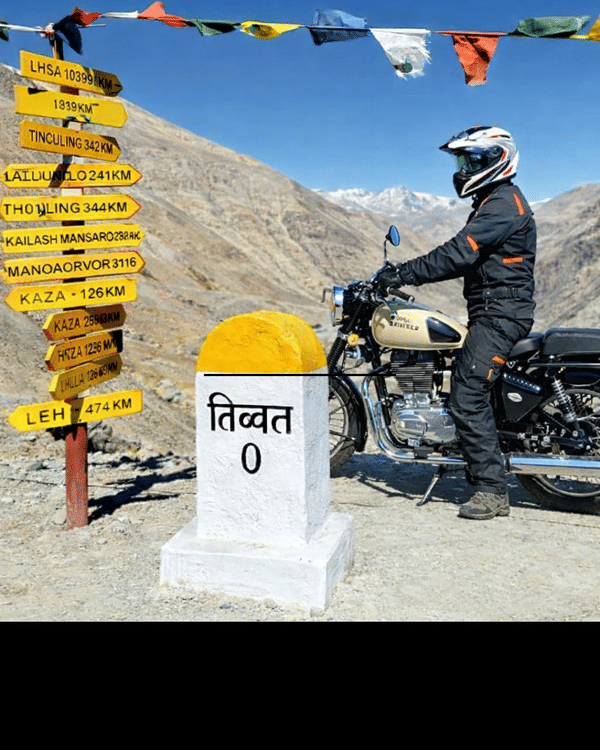
Thrilling Spiti Valley Bike Trip | Ride To The Edge At Lepcha La
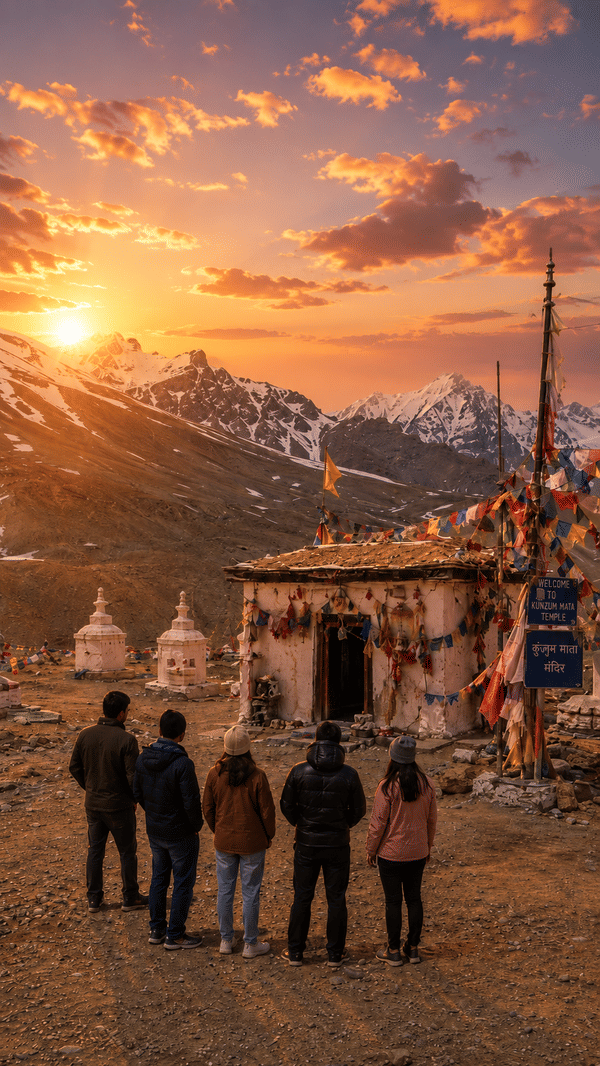
Spiti Valley Group Trip with Chandratal: Summer Edition

Spiti Valley Road Trip From Delhi | Summer Trip To Chandratal

Spiti Valley Road Trip From Delhi | Summer Trip To Chandratal
The Short Answer: Two Roads, Two Calendars

The most important thing to understand while planning Spiti is this:
The Manali route is seasonal. The Shimla–Kinnaur route provides much longer access.
Manali to Spiti via Kunzum Pass
The route usually follows:
Manali → Atal Tunnel → Gramphu → Batal → Kunzum Pass → Losar → Kaza
Kunzum Pass is the controlling factor. Heavy winter snowfall closes this high-altitude section for several months. The Lahaul and Spiti district administration notes that the Keylong–Kaza route via Kunzum generally remains closed from roughly October/November until June/July, depending on snowfall and road-clearing conditions. So never treat “Kunzum opens in June” as a guaranteed date. In a heavy-snow year, opening can move later.
Shimla to Spiti via Kinnaur
The second approach is:
Shimla → Rampur → Reckong Peo →Nako→ Tabo → Kaza
Unlike Kunzum, this route does not cross the same kind of high seasonal pass before reaching Kaza. It can therefore provide access for much more of the year, including winter, although snowfall, black ice, rockfall and temporary road closures can still interrupt travel.
The district administration describes this road towards Kaza as generally remaining accessible through most seasons, while stressing that mountain-road conditions remain weather-dependent.
Quick verdict:
Choose June to September for the easiest conventional Spiti trip. Choose the Shimla side for spring, late autumn or winter access.
Spiti Season-Wise Guide
The best time to visit Spiti changes with the season, but route access matters just as much as the weather. The Shimla–Kinnaur route gives travellers a longer access window, while the Manali–Kunzum side usually becomes usable only once the snow is cleared from the high passes.
Spiti in Summer: May to June

May and June mark the beginning of Spiti’s main travel season. Days become more comfortable, villages start returning to full activity, and sightseeing around Kaza, Tabo, Dhankar, Langza and Kibber becomes easier.
In May, the Shimla–Kinnaur route is usually the more practical way to enter Spiti because Kunzum Pass generally remains closed. This makes May a good choice for travellers who want fewer tourists and do not mind returning through the same route.
By June, tourism activity increases considerably. Cafés, homestays and local sightseeing routes are largely operational, while the landscape around Kaza begins showing patches of green.
The biggest question in June is the Manali route. Kunzum Pass does not have a fixed opening date, and access depends on snowfall and annual road-clearing progress. In some years, the route becomes motorable during June; in heavier snow years, it can take longer.
Best for: First-time travellers, photography, quieter road trips and sightseeing
Route to prefer: Shimla–Kinnaur in May; both routes may become possible later in June
Weather: Pleasant to cool during the day, cold after sunset
Travel tip: Do not plan a June itinerary that absolutely depends on Kunzum being open.
Spiti in Monsoon: July to August

July and August are among the busiest months in Spiti because the complete circuit is generally accessible during this period.
Kunzum Pass is usually open, making it possible to travel from Shimla through Kinnaur and Spiti before exiting towards Manali—or to complete the route in reverse.
Inside Spiti, rainfall is relatively limited because the valley lies in a rain-shadow region. That makes places such as Kaza, Key, Kibber, Langza and Hikkim comparatively dry even during India's monsoon season.
However, the journey towards Spiti, particularly through Kinnaur, can be more unpredictable. Heavy rainfall elsewhere in Himachal can cause landslides, falling rocks and temporary road closures.
This is also one of the best periods for Chandratal, trekking and long road trips. Travellers planning an overnight halt can check suitablestays at Chandratal before finalising their itinerary.
Best for: Full Spiti circuit, Chandratal, road trips and first-time visitors
Route to prefer: Shimla–Kinnaur and Manali–Kunzum circuit
Weather: Mild days and cool nights
Travel tip: Keep at least one buffer day because the Kinnaur approach can face monsoon-related delays.
Spiti in Autumn: September to October

September is one of the strongest overall months for visiting Spiti.
The main routes are generally still accessible, summer crowds begin thinning and the skies often become clearer. Days remain manageable for sightseeing while evenings turn noticeably colder.
For many travellers, September gives the best balance between road access, scenery, crowd levels and weather.
October, however, is more unpredictable.
Early October can still work well, particularly for photographers and travellers looking for a quieter valley. As the month progresses, snowfall becomes more likely around Kunzum Pass and the Manali route can shut with little notice.
Anyone travelling in late October should plan around the Shimla–Kinnaur route rather than relying on the full circuit.
Best for: Photography, fewer crowds, clear mountain views and quieter trips
Route to prefer: Both routes in September; Shimla side becomes safer as October progresses
Weather: Cool days and cold nights
Travel tip: Carry proper winter layers even if your trip begins in relatively pleasant weather.
Spiti in Winter: November to March

Spiti in winter is a completely different travel experience.
From November onward, the Manali–Kunzum route remains closed and travellers normally approach the valley through Shimla and Kinnaur, subject to weather and road conditions.
December, January and February bring severe cold, heavy snow and long stretches of sub-zero temperatures. Running water can freeze, many seasonal hotels and cafés shut down, and accommodation is largely limited to local homestays.
That makes winter Spiti unsuitable for travellers expecting a comfortable sightseeing holiday—but highly rewarding for people interested in snow-covered landscapes, photography and wildlife.
The snow leopard Spiti season is generally associated with winter, especially January to March. Kibber and its surrounding landscape are among the best-known areas for winter wildlife tracking.
March starts the transition towards spring, but this does not mean road conditions immediately become easy. Snowmelt can create slush, ice and falling-rock risks along mountain roads.
Best for: Snow leopard expeditions, winter photography and experienced mountain travellers
Route to prefer: Shimla–Kinnaur only
Weather: Extremely cold; temperatures can fall below -20°C
Travel tip: Build buffer days and choose homestays equipped for winter conditions.
Spiti in Early Spring: April

April sits between deep winter and the summer travel season.
Snow begins melting around the valley, but Kunzum Pass is generally still inaccessible. The Shimla–Kinnaur road remains the practical approach when conditions permit.
This period sees very few tourists, but road conditions can be tricky because melting snow creates slush and loose rocks on exposed sections.
April is therefore better for experienced travellers than for someone planning their first Spiti road trip.
Best for: Off-season travel, quiet landscapes and experienced road travellers
Route to prefer: Shimla–Kinnaur
Weather: Cold, with improving daytime temperatures
Travel tip: Treat April as a transition season rather than the start of regular summer travel.
Best Time by Experience

Best Time for the Full Spiti Circuit: July to September
If your aim is to enter from Shimla and exit towards Manali—or vice versa—July to September is the safest planning window.
This period gives you the best probability of finding Kunzum operational and completing the classic circuit without retracing your route.
Best Time for Chandratal: Mid-June to Early October
Chandratal depends on seasonal access through the Batal/Kunzum region.
The official Himachal Tourism information lists seasonal tented accommodation around Chandratal from June to October, although opening and closure dates vary with weather.
Snow Leopard Spiti Season: January to March
For wildlife travellers, winter is the headline season.
Snow leopards live across the Spiti landscape year-round, but winter offers better viewing opportunities as prey and predators use comparatively lower elevations. Kibber Wildlife Sanctuary is one of the best-known snow leopard habitats in the region.
December to March is broadly considered the winter wildlife window, with January to March particularly popular for organised tracking expeditions.
Remember that sightings are never guaranteed. Choose local trackers, maintain distance and avoid pressuring guides to approach wildlife too closely.
Best Time for Spiti Festivals
Festival dates should always be verified for the specific year.
Ladarcha Fair is generally associated with July or August in Kaza, while Lossar follows the Tibetan lunar calendar and is usually celebrated around February.
Build festivals into your itinerary only after confirming the current year's dates locally.
Winter Spiti, Honestly

Winter Spiti looks spectacular in photographs, but those photographs rarely show how demanding daily life becomes at-15°C to -20°C or below.
Running water may freeze. Bathrooms can shift to bucket systems or dry toilets. Vehicle batteries struggle. Roads can close overnight after fresh snowfall. Electricity and mobile connectivity may be inconsistent.
Even a simple sightseeing day takes more effort because your body is working in extreme cold at elevations of roughly 3,600–4,300 metres.
The payoff is equally real: silent villages, frozen landscapes, almost-empty monasteries and some of the clearest Himalayan winter scenery imaginable.
Winter Spiti is suitable for: experienced mountain travellers, photographers and wildlife enthusiasts comfortable with basic facilities.
It is not ideal for: travellers wanting café hopping, a relaxed family holiday, predictable schedules or luxury-style accommodation.
When NOT to Go to Spiti

There isn't one month when everybody should avoid Spiti, but there are periods when specific trip styles make little sense.
March–April: Melting snow can create slush, falling-rock risks and unpredictable road conditions.
Heavy monsoon spells in July–August: Spiti itself remains comparatively dry, but the Kinnaur approach may face landslides and roadblocks.
Late October–November for the complete circuit: Kunzum can close after snowfall, making a Manali exit unreliable.
Peak winter for casual travellers: Access may technically be possible from Shimla, but being able to reach Kaza does not mean conditions are easy.
The best plan is therefore not simply to ask, “Is Spiti open?” Ask instead: Is the route suitable for the kind of trip I want?
Planning by Season
May–June: Enter from Shimla
Use the Shimla–Kinnaur side while Kunzum remains uncertain. Travel gradually through places such as Kalpa or Nako before reaching Kaza, which also makes altitude gain more progressive.
July–September: Do the Full Circuit
This is the prime season for first-timers.
You can combine Shimla, Kinnaur, Tabo, Kaza, Key, Kibber, Langza, Chandratal and Manali in one road journey.
October: Keep the Route Flexible
Early October can still work beautifully, but avoid building an itinerary that absolutely depends on Kunzum remaining open.
Weather should decide the route—not a pre-booked Google Maps plan.
November–March: Use the Shimla Route
Winter trips normally enter and leave through Kinnaur.
Build buffer days into your itinerary because one snowfall can change the road situation considerably.
Whatever the season, acclimatisation remains important. Spiti isn't a place to rush simply because the roads appear open.
Final Verdict: When Should You Visit Spiti?
For most travellers, June to September is the best time to visit Spiti, while July to September offers the best chance of completing the entire Shimla–Spiti–Manali circuit.
Choose May or June for fewer crowds, September for clear landscapes, and January to March only if you specifically want winter Spiti or snow leopard tracking.
Above all, plan Spiti around route conditions rather than calendar dates. Kunzum Pass decides when the Manali side opens, while the Shimla–Kinnaur road gives travellers a much longer access window.
Frequently Asked Questions
Which is the best month for Spiti?
September is one of the best overall months for Spiti because the full circuit is generally accessible, summer crowds begin reducing and visibility is often excellent. For first-time travellers who prefer slightly warmer conditions, July and August are also practical.
When does Kunzum Pass open?
There is no guaranteed annual opening date. Kunzum generally becomes motorable around June or sometimes July, depending on winter snowfall, snow clearance and road repairs. It can begin closing again around October or November. Check current road status immediately before travelling.
Can you visit Spiti in winter?
Yes. Spiti in winter can normally be approached through Shimla and Kinnaur when road conditions permit. The Manali–Kunzum route remains closed. Expect sub-zero temperatures, limited accommodation and temporary road closures after snowfall.
Which route is open year-round?
The Shimla–Kinnaur–Tabo–Kaza route provides the longest seasonal access and may remain usable through winter. However, describing any Himalayan road as absolutely “open year-round” is misleading. Snow, ice, landslides or road maintenance can still cause temporary closures.
When is snow leopard season in Spiti?
January to March is one of the preferred periods for organised snow leopard tracking around Kibber and neighbouring parts of Spiti. Winter increases the chance of wildlife using lower elevations, but sightings remain entirely dependent on nature.
Is monsoon a problem for Spiti?
Spiti lies in a rain-shadow region and receives comparatively little rainfall; official district information describes it as a mountain desert with average annual rainfall of roughly 170 mm. The larger concern is the approach road, particularly through Kinnaur, where monsoon rain can trigger landslides and falling rocks.


