


At WanderOn, we've guided countless travelers to Chandratal Lake, and one thing is certain - nothing prepares you for that first glimpse of its turquoise waters at 14,100 feet in Spiti Valley. Locally known as the Moon Lake for its perfect crescent shape, this glacial marvel is as as serene as it is surreal. From years of running trips here, our on-ground experts know the Chandratal Lake temperature can plunge from a mild 15°C by day to below freezing after dark, even in summer.
That first-hand experience shapes this Chandratal Lake guide. Instead of generic advice, you'll get practical, road-tested insights on the best time to visit, how to reach, camping rules, and what to pack for high altitude. And if you'd rather travel worry-free, our expertly crafted Spiti Valley tour packages handle stays, and every logistical detail, so you can simply focus on the journey.
Chandratal Lake: Quick Facts

Location: Himachal Pradesh 175140
Altitude: 4,300 m (14,100 ft) above sea level
Lake type: High-altitude glacial lake; crescent ("moon") shape
Famous for: Turquoise waters, stargazing, camping, photography
Best time to visit Chandratal Lake: June to October (peak: July–September)
Temperature range: Summer: 0°C–15°C (drops below freezing at night)
Nearest base: Batal (~14 km) &Kunzum Pass (~6–7 km)
Distance from Kaza: 95-100 Km
Permit: No special permit required for Chandratal
Mobile network: None, carry offline maps and inform contacts in advance
Spiti tour Packages - Book Now!
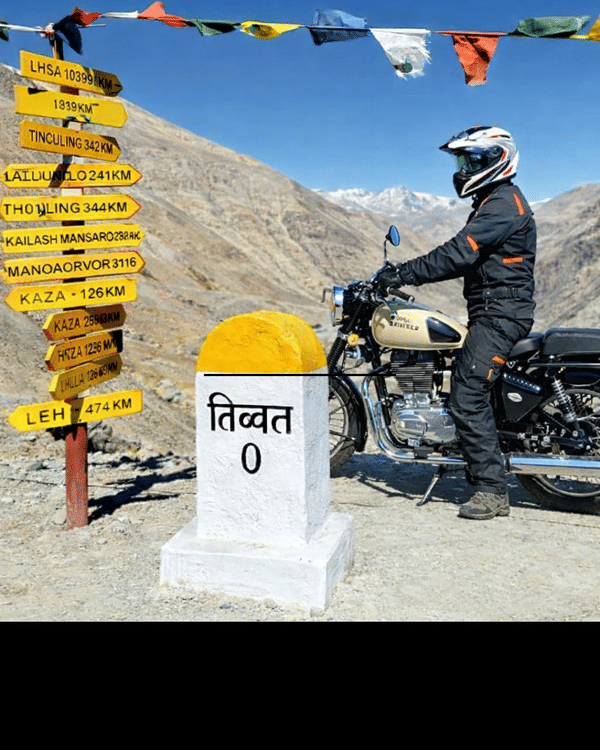
Thrilling Spiti Valley Bike Trip | Ride To The Edge At Lepcha La
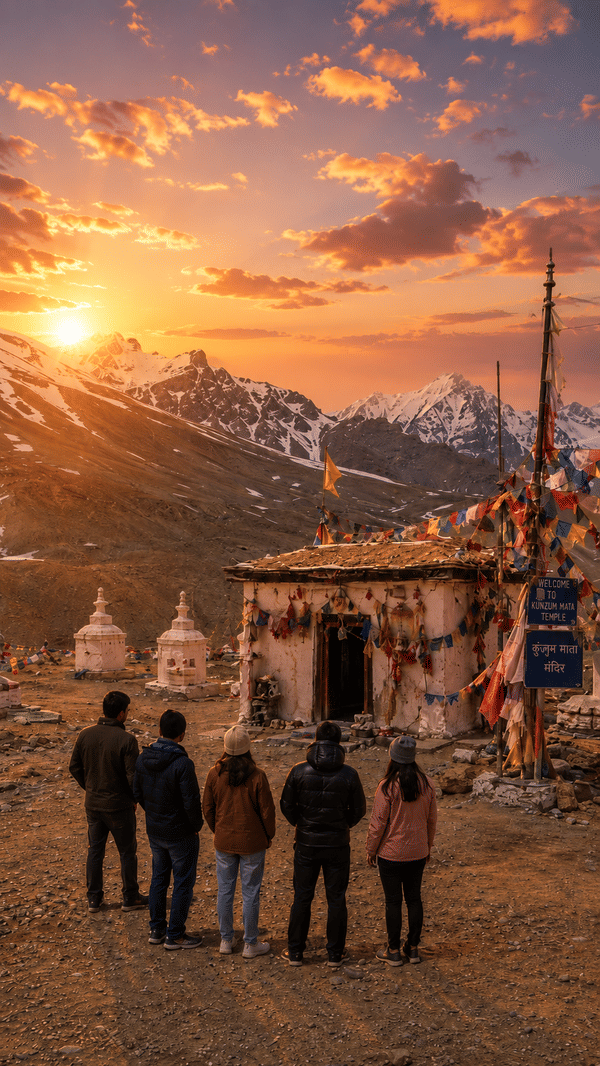
Spiti Valley Group Trip with Chandratal: Summer Edition

Chandigarh To Spiti Valley Road Trip | Complete Himalayan Expedition

Spiti Valley Road Trip From Delhi | Summer Trip To Chandratal
Best Time to Visit Chandratal Lake

The best time to visit Chandratal Lake is between mid-June and mid-September, when the snow finally clears and the high mountain roads open. For the rest of the year, heavy snowfall seals off the Kunzum Pass route, so the Chandratal Lake opening time is strictly seasonal, there's no fixed daily entry timing, and access depends entirely on road conditions cleared by the Border Roads Organisation (BRO).
Across the seasons we've guided travelers here, each window offers something different:
Mid-June to early July: The roads have just reopened and crowds are thin. Expect lingering snow patches, a partially thawed lake, and chilly, unpredictable weather. Lovely for solitude, but the snowmelt can leave the approach roads rough and muddy.
July to August: The most popular stretch for a Chandratal Lake trip, with relatively pleasant days and lush surroundings. Spiti sits in a rain shadow and stays mostly dry, but the approach from the Manali side (via Gramphu–Batal) can be hit by landslides during the monsoon, always check road status before setting out.
September to mid-October: In our experience, this is the sweet spot. Skies are at their clearest, the landscape turns golden, rain risk drops, and the nights deliver some of the finest stargazing in Spiti. Days stay comfortable, though nights turn sharply cold as October approaches.
WanderOn Recommends: Late June to September offers the best balance of accessibility and weather, while September is hard to beat for photography and clear-night skies.
How to Reach Chandratal Lake?

- The route we take:
Delhi - Chitkul - Kalpa -Kaza- Key Monastery -Hikkim- Langza - Chandratal Lake - Manali - Delhi
- From Manali (shortest in distance) The usual starting point for a Chandratal Lake trip.
Route: Manali - Atal Tunnel - Gramphu - Chhatru - Chhota Dara - Batal - Chandratal
- From Kaza (via Kunzum Pass) Ideal if you're already on the Spiti circuit.
Route: Kaza - Losar - Kunzum Pass - Chandratal
Insider tips from the road
- Fuel up early— there are no petrol pumps between Manali and Kaza
- Drive only in daylight— these roads are genuinely risky after dark
- Don't rush the altitude— climbing this fast can trigger altitude sickness, so acclimatise first
- Pack warm layers— the Chandratal Lake temperature drops below freezing at night, even in summer
- No mobile network— download offline maps and share your plan before you set off
Things to Do at Chandratal Lake

Chandratal isn't about ticking off a checklist, it's about slowing down and soaking in one of the most surreal landscapes in the Himalayas. Still, there's plenty to fill your Chandratal Lake trip. Here's what we recommend in this Chandratal Lake guide, drawn from countless nights spent by the lake.
- Stargaze under one of India's clearest skies: With zero light pollution and thin mountain air, Chandratal offers jaw-dropping views of the Milky Way. On our overnight stays, this is the moment that consistently leaves travelers speechless.
- Watch the lake change colour: Through the day, the water shifts from turquoise to deep sapphire to emerald. Its crescent shape is exactly why it's called the Moon Lake, and it's a photographer's dream at sunrise and sunset.
- Walk the lakeside trail: An easy hour-long loop circles the roughly 2.5 km shoreline, with mirror-like reflections of the surrounding peaks. Go slow, the altitude makes even gentle walks feel harder.
- Soak in the legend: Locals believe fairies descend to the lake at night, and folklore even links it to the Mahabharata. These stories are part of what gives Chandratal its mystical pull.
- Trek deeper into the wild: For seasoned trekkers, the high-altitude trail from Chandratal toward Baralacha La is a bucket-list adventure, best attempted with a guide and proper acclimatisation.
- Spot Himalayan birdlife: As a designated Ramsar wetland, the lake draws migratory birds through summer — a quiet treat for nature lovers.
Visiting Chandratal Lake in June? Early in the season the crowds are thin and the surrounding slopes still hold patches of snow, with the lake only just thawing. It's magical, but pack for genuinely cold conditions and confirm the roads have fully opened before you go.
What to Pack for Chandratal Lake?

What to Pack for Chandratal Lake
At over 14,000 feet, Chandratal demands smart packing, the Chandratal Lake weather is unpredictable, shops are non-existent, and there's no electricity or mobile network once you leave the main towns. Pack for cold, strong sun, and the long road in. Here's our tried-and-tested checklist.
Clothing (layering is everything)
- A heavy down jacket - the Chandratal Lake temperature drops below freezing at night, even in summer
- Thermal base layers (top and bottom) and a warm fleece or mid-layer
- A windproof, waterproof outer shell - mountain weather can turn in minutes
- Woollen cap, gloves, and thick socks
- Quick-dry t-shirts and comfortable trekking pants
- Sturdy, broken-in trekking shoes - essential for the Chandratal Lake trek and the uneven lakeside terrain
Sun & health protection
- High-SPF sunscreen and lip balm - UV is intense at this altitude
- Sunglasses with UV protection to cut the glare
- Altitude sickness medication (consult your doctor first), plus a basic first-aid kit and personal medicines
- A reusable water bottle and ORS/electrolytes to stay hydrated
Off-grid essentials
- A fully charged power bank, there's no electricity to recharge
- A headlamp or torch for the camp after dark
- Enough cash; there are no ATMs or digital payments out here
- Offline maps downloaded in advance, since there's no network
- Wet wipes, hand sanitiser, and toilet paper for basic camp facilities
For the journey in
- The Chandratal Lake to Manali distance is only ~120 km, but the rough roads make it a 7–9 hour drive, so carry snacks, dry fruits, and motion-sickness tablets if you're prone to it
- Reusable bags to carry all your waste back — this is a protected wetland
Spiti tour Packages - Book Now!

Frozen Spiti Expeditions

Spiti Winter - Bliss in Budget

Frozen Spiti Backpacking - Bliss in Budge

Spiti 4x4 Winter Expeditions
Health & Safety at Chandratal Lake

At over 14,000 feet, Chandratal is breathtaking, but the altitude is not to be taken lightly. Acute Mountain Sickness in Spiti (AMS) is a genuine risk here, and taking it seriously is the single most important part of planning a safe Chandratal Lake trip. This is the one section of our Chandratal Lake guide we'd urge every traveler to read closely.
Understand the risk: Acute Mountain Sickness As you climb above 8,000–10,000 feet, thinner air and lower oxygen can trigger AMS. Common warning signs include:
- Headache, dizziness, and nausea
- Fatigue and breathlessness
- Loss of appetite and difficulty sleeping
Acclimatise properly
- Ascend gradually - where possible, approach via the Spiti circuit from Kaza rather than racing up from Manali in a single day
- Spend a night at an intermediate altitude before reaching the lake
- Drink plenty of water and avoid alcohol and smoking entirely
- Take it easy on day one — and if you're attempting the Chandratal Lake trek, pace yourself, since the added exertion raises AMS risk
What to do if symptoms appear
- For mild symptoms: stop, rest, hydrate, and don't climb any higher until you feel better
- If symptoms persist or worsen: descend immediately - losing altitude is the most effective remedy
- Carry altitude-sickness medication (such as Diamox) only after consulting your doctor for the correct dosage
- Remember, there are no hospitals near Chandratal — the nearest medical help is hours away in Kaza or Manali, so early action and descent matter most
A word of caution: If you have a heart or lung condition, are pregnant, or are travelling with very young children or elderly family members, consult a doctor before you book. This guide offers general safety advice, not medical guidance - when in doubt, always seek professional medical advice before and during your trip.
Frequently Asked Questions
Is camping allowed at Chandratal Lake?
Camping directly beside the lake is not allowed, to protect the fragile wetland. It's permitted only at authorised campsites located 2–3 km away.
When will Chandratal camps open in 2026?
Camps are expected to open around mid-June 2026, in line with road access, and usually run until late September or early October. Exact dates depend on snow clearance.
Can I visit Chandratal in the first week of June 2026?
Possibly, but early June is uncertain — the route often opens only by mid-June, depending on how quickly the snow clears that year. Confirm the latest road and Kunzum Pass status before planning.
Is Kaza to Chandratal open today?
The Kaza route (via Kunzum Pass) usually opens around June and closes by mid-October. Always check live road updates for the day you plan to travel.
Is Manali to Chandratal open today?
This route is generally open from June to mid-October. Road conditions change quickly, so confirm the current status before you start your journey.
Is Kunzum Pass open today?
Kunzum Pass typically opens by mid-June and closes by late October. For its exact status on a given day, check the latest BRO or local updates before setting out.
Is Chandratal Lake open?
Chandratal is open seasonally, from around June to mid-October. It's closed the rest of the year due to heavy snow, so check the latest road status before you travel.
How to reach Chandratal Lake from Kaza?
It's about 95–100 km via Losar and Kunzum Pass, taking roughly 4–5 hours by road.
Is Chandratal Lake trek difficult?
It's a moderate trek - the terrain isn't technically tough, but the high altitude makes it demanding. Basic fitness and proper acclimatisation are essential.
Which month does Chandratal Lake open?
It usually opens around mid-June, once the snow clears and the mountain roads reopen, and stays accessible until around mid-October.
How to reach Chandratal from Manali?
Drive roughly 120 km via the Atal Tunnel, Gramphu, and Batal. The roads are rough, so allow 7–9 hours and use a high-clearance vehicle.
Can we stay at Chandratal Lake at night?
Not right at the lake — overnight stays on the shoreline are banned to protect the wetland. You can, however, stay at designated campsites about 2–3 km away.


