


Spiti doesn’t look real at first glance; it feels like a 3D masterpiece where the mountains are too big and the valleys too deep. This surreal scale is why the region is known as a true photographer’s paradise.
Some of the famous photography spots in Spiti Valley include Key Monastery, Chandratal Lake, Langza, and Dhankar, each offering completely different frames. At elevations of 3,000–4,500 meters, the thin air and sharp shadows create effortless depth, perfect for high-altitude desert photography.
Most photographers plan a trip to Spiti Valley between May and October, which is widely considered the best time for photography in Spiti Valley due to clear roads and peak visibility. These months also offer world-class conditions for astrophotography. With zero light pollution, capturing the Milky Way becomes the highlight of the journey, making Spiti one of the best stargazing places in India.
Here are the top photo spots in Spiti Valley you shouldn’t miss, along with essential Spiti photography tips for your first expedition.
Photography In Spiti Valley: A Quick Glance

- Best photography spots in Spiti Valley: Key Monastery, Chandratal Lake, Dhankar Monastery, Langza, Pin Valley
- Best time for photography in Spiti: May to October (clear skies, accessible roads)
- Best spots for astrophotography: Langza, Chandratal, Komic
- Best sunrise/sunset photography Spiti locations: Key Monastery (sunrise), Dhankar (sunset)
- Best hidden photography spots Spiti Valley: Mud Village, Balari Top, Gue Village
Planning your route to hit all these spots? Follow our 8-day Spiti itinerary to maximize your shooting time.
Top 12 Photography Spots In Spiti Valley In 2026
1. Key Monastery

Key Monastery isn’t just a building; it’s a tiered architectural marvel that looks like it’s growing out of a conical hill. Because it sits stacked unevenly against the rugged landscape with the Spiti River snaking below, it is easily one of the best places to click photos in Spiti. The natural layering here is a gift for photographers.
At sunrise, the light hits the white-washed walls while the valley remains in deep shadow, creating a powerful, high-contrast frame. For the best perspective, move back on the Kibber road to capture the full structure
- Location: Near Kaza, Spiti Valley (approx. 12 km)
- How to go: Easily accessible by road via Kaza–Kibber route; regular taxis and bikes go up
- Altitude:~4,166 meters
- Accessibility: Open year-round, but winters (Nov–March) have heavy snow and limited road access
- Best time to visit: May to October; best light at sunrise
- Best for: Landscape + architecture + monastery photography
- Pro tip: Don’t shoot from the entrance, move back on the Kibber road to capture the full structure with the valley for better depth
Most Popular Spiti Road Trips
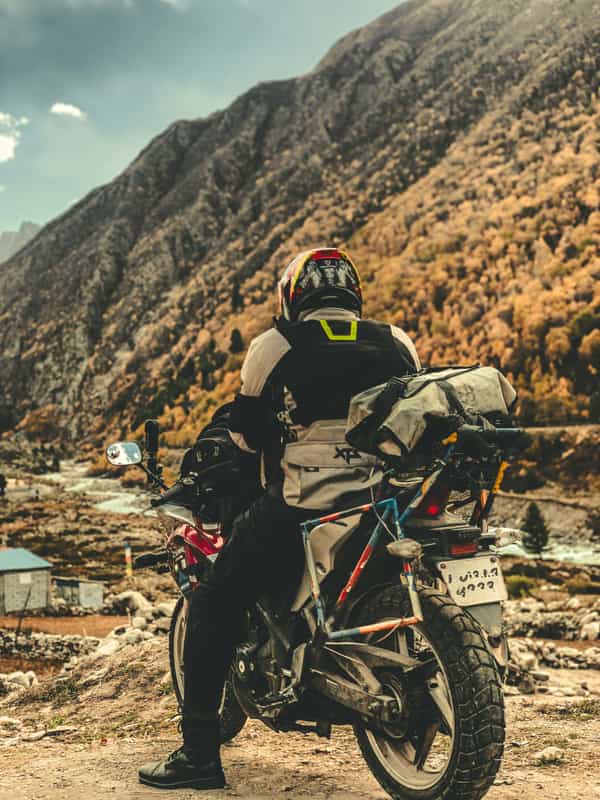
Spiti Valley Circuit Group Bike Trip | Tirthan To Manali On Two Wheels

Spiti Valley Group Adventure | Journey To Lepcha La
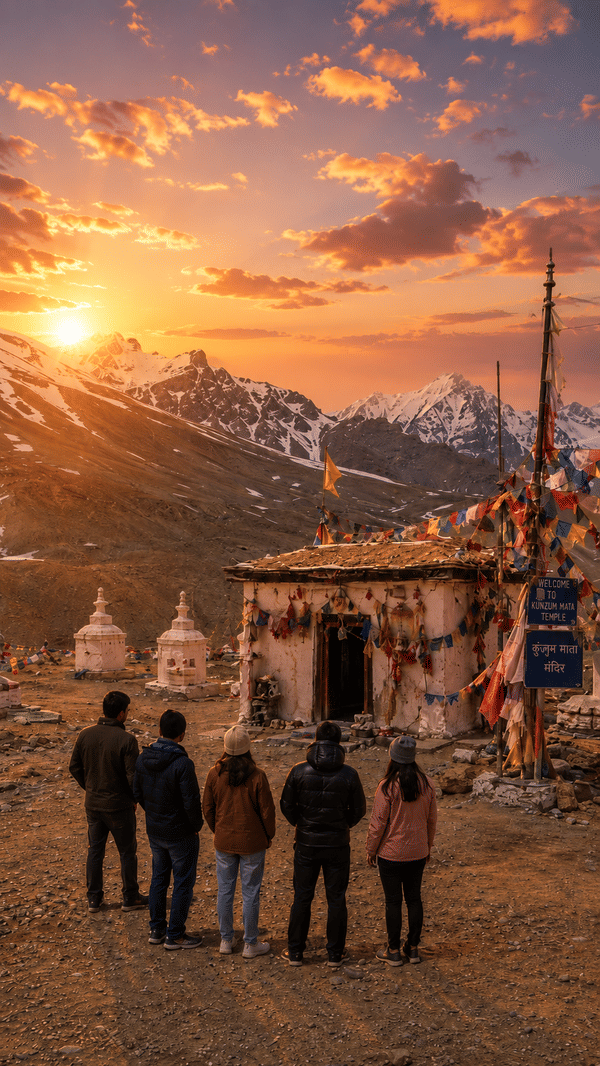
Spiti Valley Group Trip with Chandratal: Summer Edition
2. Chandratal

Chandratal feels completely untouched and is one of the premier spots to experience stargazing in Spiti Valley away from all light pollution.. Set in a vast, open valley without a single building in sight, the lake acts as a natural mirror, reflecting the sky and jagged peaks with incredible clarity.
It is easily one of the best photography spots in Spiti Valley for couples, largely because the water transforms from soft morning blues to a deep, glowing turquoise by afternoon.
Since you must shoot from a distance, you’ll find unique angles for Chandratal Lakephotography from the surrounding ridges. After dark, it becomes one of India's premier Spiti night photography spots.
- Location: Near Kunzum Pass, Lahaul–Spiti border
- How to go: Drive till Chandratal parking (from Batal/Kunzum), then ~1.5–2 km easy trek
- Altitude:~4,300 meters
- Accessibility: Open only from late May/June to early October; completely closed in winters due to heavy snowfall
- Best time to visit: June to September; sunrise for reflections, night for astrophotography
- Best for: Reflection shots, wide landscapes, astrophotography
- Pro tip: Walk along the outer ridge instead of staying at one spot; you’ll find better angles with cleaner reflections and less disturbance in the water.
3. Dhankar Monastery & Lake

Dhankar is where the landscape does most of the storytelling. Dhankar Monastery is perched precariously on a crumbling cliff edge, overlooking the confluence of the Spiti and Pin rivers.
This dramatic drop creates natural leading lines and incredible depth, making it one of the top photography spots in Spiti Valley for couples. A short, steep hike leads you to the isolated Dhankar Lake, offering a stark shift toward minimal, serene compositions.
The contrast between the jagged monastery architecture and the mirror-like lake provides two distinct moods within a single location, especially during the rapidly shifting light of sunset.
- Location: Between Kaza and Tabo, Spiti Valley
- How to go: Motorable road till Dhankar village; 20–30 min hike to Dhankar Lake
- Altitude: Monastery ~3,894 m | Lake ~4,270 m
- Accessibility: Open year-round, but winter access (Nov–March) can be difficult due to snow and road conditions
- Best time to visit: May to October; late afternoon for monastery, morning for lake
- Best for: Dramatic landscapes, river confluence shots, minimal lake compositions
- Pro tip: First shoot the monastery from a lower road viewpoint, then hike up to the lake for a completely different perspective in the same visit
4. Langza

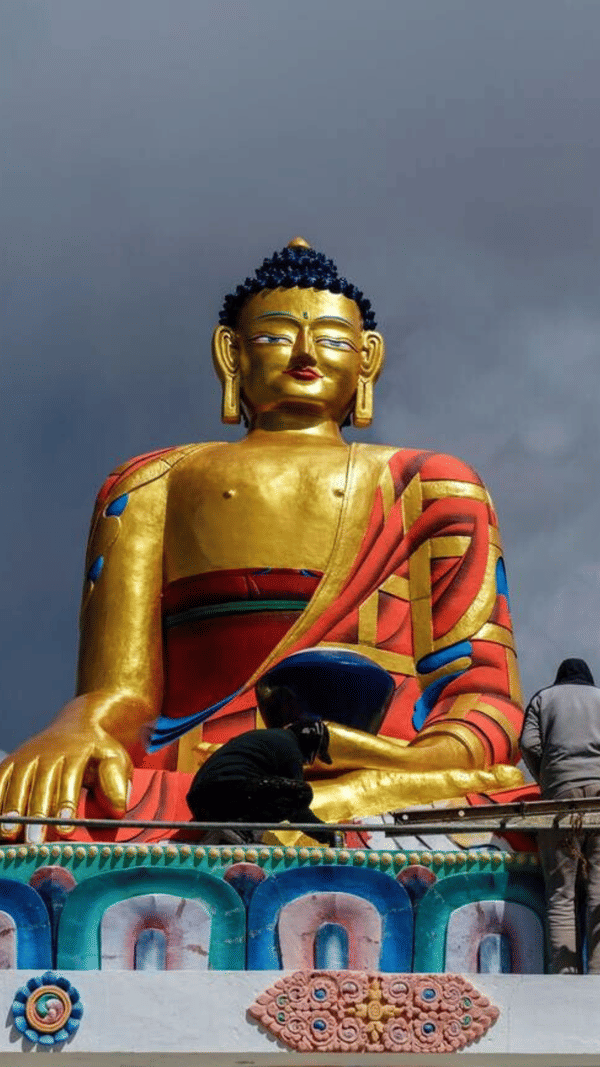
Langza stands out by providing a clear, powerful subject amidst the vast Himalayan emptiness. The giant Buddha statue serves as a visual anchor, while the snow-dusted Chau Chau Kang Nilda peak rises behind it to create incredible natural layers.
It is easily one of the most famous photography spots in Spiti Valley, especially for those who love playing with scale. The surrounding terrain is scattered with ancient marine fossils, offering unique foreground textures for your shots.
Langza is also one of the global hubs for astro tourism in Spiti Valley, India. Once the sun dips, the statue’s silhouette against the dark sky creates a world-class astrophotography setup for capturing the Milky Way.
- Location:~16 km from Kaza, Spiti Valley
- How to go: Accessible by road via Komic route; steep but manageable drive
- Altitude:~4,400 meters
- Accessibility: Open year-round, but winters (Nov–March) have snow and limited movement
- Best time to visit: June to October; sunset for landscapes, night for astro
- Best for: Cultural + landscape + astrophotography
- Pro tip: Get low and include fossils or textured ground in the foreground to add depth and make the Buddha stand out more
5. Balari Top

Balari Top isn’t a casual stop, it’s a viewpoint you earn, and that’s exactly why it feels different. After a steady 2–3 hour hike from Demul, you reach a point where the entire Spiti Valley opens up beneath you.
From the top, you can actually see multiple villages, river confluences, and mountain ranges in one sweeping frame. Unlike other spots, this is true top-down perspective photography, where scale becomes the main subject. The air is thinner, the views are wider, and the silence is absolute, making every shot feel intentional.
- Location: Above Demul Village, Spiti Valley
- How to go: Drive till Demul (32 km from Kaza), then trek ~2–3 hours to the top
- Altitude:~4,900–5,000 meters
- Accessibility: Accessible only from June to September; not recommended in winters due to snow and extreme conditions
- Best time to visit: Early morning or late afternoon for softer light
- Best for: Aerial-like landscape shots, wide valley compositions
- Pro tip: Carry a zoom lens (70–200mm) to compress distant villages and rivers into one dramatic layered frame
6. Chicham Bridge

Chicham Bridge isn’t about colors or landscapes, it’s about scale and depth. Suspended over a deep gorge (over 1,000 feet), the bridge cuts across emptiness, creating a striking visual line in an otherwise vast frame.
What makes it one of the top places to click photos in Spiti is how the perspective changes, stand close, and it feels massive; step back, and it becomes a thin thread between cliffs. The rugged terrain around it adds texture without distraction, making your composition clean but powerful.
- Location: Between Kibber and Chicham villages, Spiti Valley
- How to go: Accessible by road via Kaza → Kibber → Chicham route
- Altitude:~4,150 meters
- Accessibility: Open year-round; winters (Nov–March) may affect road conditions due to snow
- Best time to visit: May to October; mid-morning for even lighting
- Best for: Leading lines, perspective shots, drone photography
- Pro tip: Position yourself slightly off-center and use the bridge diagonally in your frame to create a more dynamic composition
7. Pin Valley

Pin Valley feels like a shift the moment you enter it. After the stark, brown landscapes of Spiti, this region introduces patches of green, flowing rivers, and a slightly softer terrain. That contrast is exactly what makes it worth photographing.
Mud Village, the last motorable point, sits tucked between mountains, offering raw village scenes with almost no distractions. You’ll find a mix of landscape and human life here, fields, homes, and dramatic backdrops all in one frame. It’s quieter, slower, and gives you more time to compose.
- Location: Pin Valley National Park, diversion from Attargo Bridge
- How to go: Take a detour from Kaza–Tabo road, drive till Mud Village
- Altitude:~3,800–4,000 meters
- Accessibility: Open mostly from May/June to October; winters are harsh and roads may close
- Best time to visit: June to September; mornings for soft light
- Best for: Landscape + village life + contrast photography
- Pro tip: Frame green patches in the foreground with barren peaks behind to highlight Spiti’s rare contrast
Top-Selling Spiti Valley Packages
Spiti Valley Full Circuit Road Trip 7 Days | Value Saver Package from Delhi

Spiti Valley Group Adventure | Exclusive Himalayan Escape
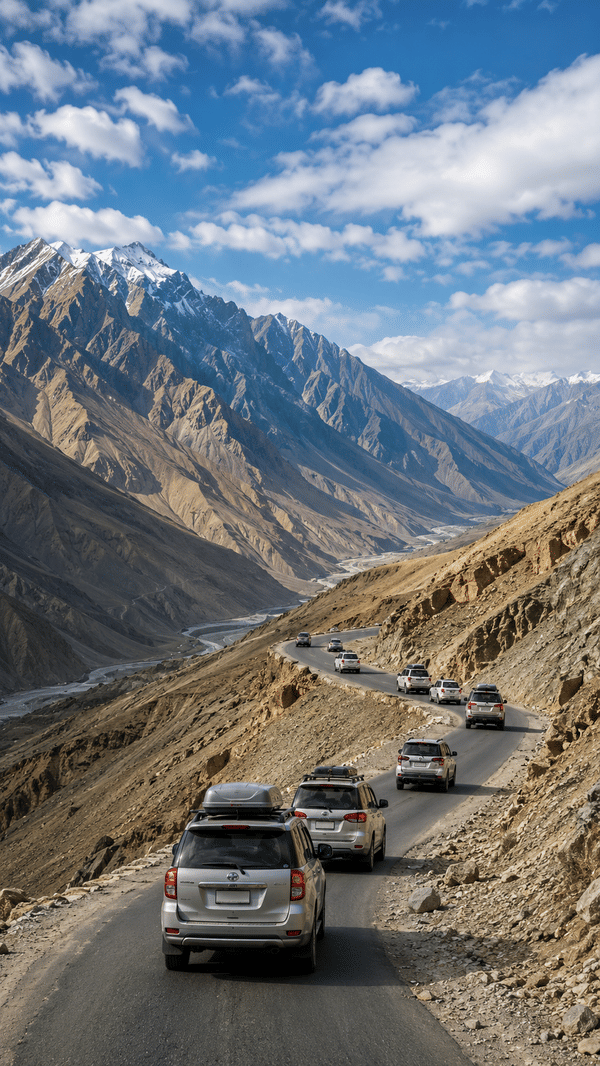
Full Spiti Valley Circuit Group Tour From Delhi: Shimla To Manali
8. Komic

Komic feels stripped down to just the essentials like sky, land, and silence. There’s very little clutter here, which makes it one of the top photography spots in Spiti Valley. The village sits high above the valley, giving you uninterrupted views that stretch for miles.
The Tangyud Monastery, built like a fortress on the edge, adds a strong subject without overpowering the scene. What stands out is the sense of scale: houses look tiny, roads disappear into the distance, and everything feels vast and still. It’s a place where simplicity works in your favor.
- Location:~20 km from Kaza, Spiti Valley
- How to go: Accessible via Kaza–Langza–Hikkim–Komic road
- Altitude:~4,587 meters
- Accessibility: Open year-round, but winters (Nov–March) have heavy snow and limited movement
- Best time to visit: May to October; late afternoon for softer light
- Best for: Minimalist landscapes, monastery photography, wide valley shots
- Pro tip: Use negative space; keep most of your frame empty to highlight the scale and isolation of the village
9. Kibber

Kibber gives you space, literally. Unlike tighter villages, it sits in a wide valley where everything feels spread out, making it easier to build depth in your shots. The cluster of white houses against rugged brown mountains creates a strong contrast, especially in early light.
It’s also right on the edge of the Kibber Wildlife Sanctuary, so you might spot or at least frame the kind of terrain where rare wildlife like snow leopards exist. The roads, open plains, and big skies make compositions feel expansive without trying too hard.
- Location:~18 km from Kaza, Spiti Valley
- How to go: Accessible by road via Kaza-Kibber route
- Altitude:~4,270 meters
- Accessibility: Open year-round, but winters (Nov–March) can be harsh with snow-blocked roads
- Best time to visit: May to October; sunrise for best textures and light
- Best for: Village + landscape + wildlife habitat photography
- Pro tip: Use the winding road leading into Kibber as a foreground element to create strong leading lines into the village
11. Hikkim

Hikkim is less about dramatic landscapes and more about quiet, meaningful frames. The village is home to one of the highest post offices in the world, and that small structure becomes a strong subject against the vast emptiness around it.
The setting is minimal, open land, scattered houses, and big skies, which makes it perfect for Spiti Valley photography in storytelling method. It’s one of those places where human presence feels tiny compared to the landscape, and that contrast comes out beautifully in photos.
- Location: Near Komic and Langza, Spiti Valley
- How to go: Accessible by road from Kaza via steep mountain roads
- Altitude:~4,400 meters
- Accessibility: Open year-round, but winters (Nov–March) bring heavy snow and limited access
- Best time to visit: May to October; midday for clear visibility
- Best for: Documentary, cultural, minimal landscape photography
- Pro tip: Include locals or visitors posting letters to add life and context to your frame
12. Nako Lake

Nako Lake is one of the quieter options in this list of photography spots in Spiti Valley as compared to other vast landscapes. Set right in the middle of Nako village, it’s surrounded by willow and poplar trees, which is rare in this cold desert region.
The reflections here are softer and more controlled, especially when the water is still in the morning. You also get a mix of village life around the lake, which adds a subtle human element to your shots.
- Location: Nako Village, near Indo-Tibet border (Kinnaur–Spiti route)
- How to go: On the Shimla–Kaza route; directly accessible by road
- Altitude:~3,662 meters
- Accessibility: Open year-round; winters (Dec–Feb) can freeze the lake and affect road conditions
- Best time to visit: May to October; early morning for calm reflections
- Best for: Reflection shots, village + landscape compositions
- Pro tip: Shoot from the edge with trees framing the lake to add depth and balance to your composition
13. Losar

Losar feels like the quiet beginning of Spiti, wide, open, and still untouched by heavy tourism. As the first village you hit from the Manali–Kunzum side, it gives you expansive landscapes with barely any visual clutter.
The terrain here is flatter compared to central Spiti, which makes it easier to compose shots with long leading lines, roads, riverbeds, and mountain layers stretching into the distance.
The light hits differently too, especially in the evening, when the entire valley softens and turns slightly golden. It’s simple, but that simplicity works.
- Location: Near Kunzum Pass, entry to Spiti Valley
- How to go: On Manali–Kaza route; directly accessible by road
- Altitude:~4,085 meters
- Accessibility: Open mainly from June to October; cut off in winters due to heavy snowfall at Kunzum Pass
- Best time to visit: June to September; evening light works best
- Best for: Wide landscapes, road photography, minimal compositions
- Pro tip: Use the road or riverbed as a leading line to draw attention into the vast valley frame
Best Time For Photography In Spiti Valley

- Best time to visit Spiti: May to October, roads are open, skies are clear, and visibility is high, making all major spots accessible
- Best months for landscapes: June to September – stable weather + balanced light helps capture details without harsh extremes
- Best for fewer crowds & sharper frames: October – cleaner compositions, deeper shadows, and crisp air improve clarity
- Best time of day: Sunrise & sunset – softer light and long shadows add depth and texture to landscapes
- Best for astrophotography: June to September – minimal light pollution, low humidity, and clear night skies make Milky Way shots possible
- Avoid: November to April – heavy snowfall blocks roads (especially Chandratal & Kunzum), limiting access to key photography spots.
Looking for something more extreme? See how the landscape transforms in our Winter Spiti guide.
Customised Spiti Valley Tour Packages

Spiti Valley Tour From Manali: Chandratal Camping & Kibber Wildlife

Spiti Valley Road Trip: Chandratal & Pin Valley Circuit

Spiti Valley Adventure From Chandigarh: Sangla, Kalpa & Tabo Special
Photography Tips For Spiti Valley

Follow these Spiti photography tips for first-timers to make the best shot:
- Acclimatize first: At 3,000–4,500m, altitude affects focus and energy; give your body 1–2 days before serious shooting
- Carry extra batteries: Cold weather drains batteries quickly; keep spares warm in inner pockets. Check out our full Spiti packing checklist for essentials.
- Use a wide-angle lens (16–35mm): Best for capturing Spiti’s vast landscapes and scale
- Keep a zoom lens (70–200mm): Helps compress distant mountains and isolate subjects like monasteries
- Shoot during golden hours: Harsh midday light creates blown highlights; early/late light adds depth
- Always carry a tripod: Essential for low light, long exposures, and astrophotography
- Use ND/Polarizing filters: Controls glare on lakes like Chandratal and enhances sky contrast
- Check weather & wind: Conditions change fast; wind can affect stability and clarity
- Keep compositions simple: Spiti’s strength is minimalism—avoid cluttered frames
- Respect local culture: Ask before photographing people or inside monasteries of Spiti Valley.
Best Photography Spots In Spiti Valley: Final Words
Exploring these famous photography spots in Spiti Valley isn’t just about ticking locations, it’s about slowing down, reading the light, and letting the landscape guide your frame. Every turn here offers something unexpected, if you’re willing to pause and notice.
So if you’re ready to capture Spiti the way it truly feels, plan your escape with WanderOn and make the most of every moment, and every shot.
Frequently Asked Questions
Is Spiti Valley good for photography?
Spiti Valley is an absolute paradise for photography. Its dramatic cold desert landscapes, ancient Tibetan monasteries, and vibrant cultural portraits offer a unique, high-contrast aesthetic. The sharp mountain peaks and deep blue skies provide a stunning backdrop for both professional and amateur photographers.
What is the best time for photography in Spiti Valley?
The best time for photography is from June to September for lush landscapes and clear Milky Way shots. Alternatively, visiting in winter (January to March) provides a breathtaking, stark white Snow Leopard aesthetic, though the conditions are much more challenging for equipment.
Which is the best photography spot in Spiti Valley?
The Key Monastery is widely considered the best photography spot. Perched atop a conical hill, it looks majestic from every angle. Capturing it during the golden hour creates a surreal, timeless image that perfectly encapsulates the spiritual essence of the entire valley.
What are hidden photo spots in Spiti Valley like Langza or Kibber?
Langza is famous for its towering golden Buddha statue set against the Himalayas, while Kibber offers stunning village architecture. Other hidden gems include the mummy at Gue and the reflection of peaks in Dhankar Lake, providing secluded opportunities for truly unique compositions.
Is astrophotography possible in Spiti Valley?
Yes, Spiti Valley offers some of the best astrophotography conditions on Earth. Due to its high altitude and lack of light pollution, the night sky is incredibly dark. You can easily capture the core of the Milky Way and stunning star trails.


