


While the rest of India preps for a summer heatwave, Spiti in March remains a white-washed frontier buried under four feet of snow. This is the valley's "Winter’s Last Stand” where the weather is a game of extremes with average temperatures ranging from a crisp -5°C during the day to a bone-chilling -20°C at night.
If you’re planning a trip to Spiti Valley in March, know that only the Shimla-Kinnaur route is accessible; the Manali-Kaza road via Kunzum Pass stays locked under heavy snow. This is a high-adventure journey where your morning reality involves melting frozen pipes and navigating "Black Ice" in a 4x4 with snow chains.
Creating a solid itinerary for Spiti Valley in March trip while the high passes are buried is actually tough. So, you can explore our curated Spiti trips for a raw, memorable experience while we handle the logistics.
This Spiti valley trip in March is a test of patience. But for the chance to see a snow leopard or the Key Monastery looking like a white fortress, every bit of the struggle is worth it.
Follow this guide to learn everything you need to know about the valley in March.
Spiti In March: Quick Snapshot

- Route: Only via Shimla – Kinnaur. The Manali to Spiti in March route (Kunzum Pass) is closed.
- Weather: Extreme cold. 2°C to -5°C (days) and -15°C to -25°C (nights)
- Key Highlights: Frozen Spiti River, Chicham Bridge, Key Monastery, snow-covered Langza, Hikkim (Highest Post Office).
- Permits: Indian travelers don't need one; Foreign nationals must get an Inner Line Permit (ILP) from Shimla or Reckong Peo.
- Stay: Luxury hotels are shut. Traditional Homestays are your only (and best) option
- Toilets: Dry composting toilets only. No running water (pipes are frozen)
- Connectivity: BSNL/Jio might work in Kaza. Zero signal in higher villages
- Electricity: Expect frequent power cuts. Carry heavy-duty power banks
- ATM: Mostly non-functional or out of cash. Carry all the Cash you need from Shimla/Reckong Peo
- Wildlife: Best time to spot Snow Leopards and Blue Sheep at lower altitudes
- Vibe: 100% "White Spiti." Surreal snowscapes and zero tourist crowds
Our Best-Selling Spiti Tour Packages

Spiti Valley - Bliss in Budget with Sangla Holi Celebration
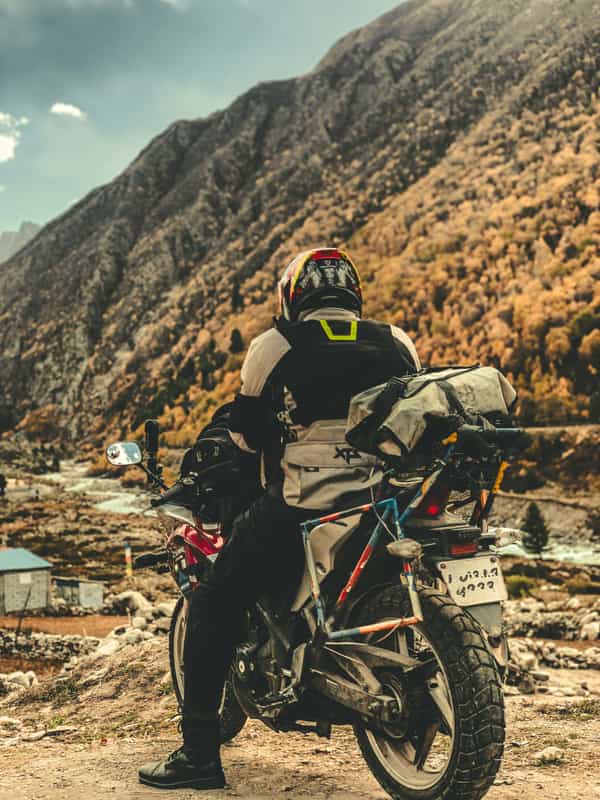
Spiti Valley Circuit Group Bike Trip | Tirthan To Manali On Two Wheels

Chandigarh To Spiti Valley Road Trip | Complete Himalayan Expedition

Spiti Valley Adventure From Chandigarh: Sangla, Kalpa & Tabo Special
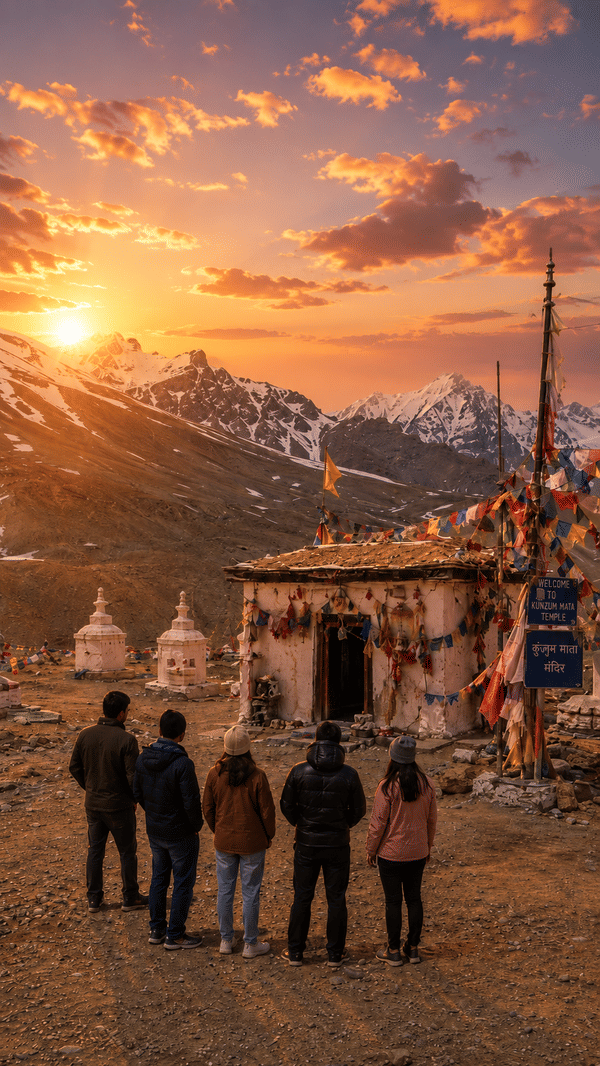
Spiti Valley Group Trip with Chandratal: Summer Edition
Why Visit Spiti Valley In March?

March is the month of "Winter’s Last Stand”. While the valley is still frozen, the sun starts making a comeback. But before you book your Spiti valley trip in March, check out this reality check:
The Pros: Why You’ll Love It
- The "White Spiti" Aesthetic: How cold is Spiti in March? Imagine a world in high-definition white. Everything from the mountains to the riverbanks, is buried under 4 - 6 feet of snow. It’s a photographer’s dream.
- Ghost of the Mountains: This is the best time for tracking Snow Leopards in Spiti. Since it’s still cold, they descend to lower altitudes like Kibber and Pin Valley to hunt.
- Soulful Solitude: No tourist buses, no loud music, and no crowds. You’ll have the monasteries and the milky way all to yourself.
- Authentic Cultural Immersion: You’ll stay in traditional homestays, eat Thukpa with local families, and sit around the Bukhari (heater) sharing stories. This is the "real" Spiti.
- Perfect Weather Balance: You get the "frozen" look of January but with clearer skies and more sunlight, making it slightly easier to move around.
The Cons: The Survival Struggles
- The Sub-Zero Cold: Spiti Valley temperature in March can hit -20°C at night. If you can't handle extreme cold, this isn't for you.
- The Dry Toilet Reality: Forget hot showers. Water pipes are frozen, so you’ll be using Dry Composting Toilets (basically a hole in the ground with sand/shovels).
- Limited Comforts: Most cafes and luxury hotels are shut. Your food options will be simple, hearty, and local; don't expect a fancy wood-fired pizza!
- Travel Delays: While the Shimla route is usually open, fresh snow can still block the road for a day or two. You must keep a 1-2 day buffer in your plan.
- Digital Detox: Power cuts are frequent and the internet is almost non-existent outside of Kaza. You’ll be truly "off the grid”.
Best Places To Visit In Spiti In March

When the entire Spiti Valley is draped in a thick, crystalline blanket of white, the geography of the region takes on a mystical quality. While many high-altitude spots are tucked away in deep slumber, these iconic places to visit in Spiti in March remain accessible, offering a rare glimpse into the stark, silent beauty of a Himalayan winter:
1. Key Monastery

Key Monastery is the postcard-perfect location and is a major highlight of any Spiti circuit in March. Perched on a hill at 13,668 ft, this thousand-year-old training center for Lamas looks like a giant white castle in March. Walking up the snowy path to the monastery, you’ll see monks going about their winter rituals. The view of the frozen, winding Spiti River from the top is something you'll never forget.
- Key Highlights: Ancient murals, rare thangkas (scroll paintings), panoramic snow views, and a cup of warm tea with the monks.
- How to Reach: A short 14 km drive from Kaza; easily accessible by a 4x4 or high-clearance SUV.
- Entry Fee: Free (Donations are welcome)
2. Chicham Bridge
Suspended at a staggering 13,596 ft, Chicham is Asia’s highest suspension bridge and one of the iconic places to visit in Spiti in March. The deep gorge below is a terrifyingly beautiful sight of white and brown rock at this time.
Walking across the bridge when it's covered in a thin layer of snow is a thrill for any adventurer, and it’s the only lifeline connecting the remote Chicham village to the rest of the world. Include this in your itinerary for Spiti Valley in March for a truly unforgettable experience.
- Key Highlights: Engineering marvel, spectacular gorge views, and a great spot for "edge-of-the-world" photography.
- How to Reach: Located about 20 km from Kaza, further up from Key Monastery.
- Entry Fee: Free
3. Hikkim & Langza

These two villages are like a journey back in time. Hikkim is home to the World’s Highest Post Office, where you can actually send a postcard from the snow. Just a few kilometers away is Langza, famous for its giant, golden Buddha statue that stands guard over the valley. In March, the statue surrounded by pure white snow is the ultimate sight of peace.
- Key Highlights: Sending a postcard from 14,400 ft, the iconic Buddha Statue, and hunting for marine fossils (though they might be buried under snow!).
- How to Reach: Roughly 30 km from Kaza; roads can be tricky in March, so check with locals before heading up.
- Entry Fee: Free
4. Tabo Monastery
While the high villages are about views, Tabo Monastery is about the soul. This UNESCO World Heritage site is over 1,000 years old and stays relatively "warmer" than Kaza and is popularly known as the “Ajanta of the Himalayas”. Its mud-brick structures house some of the most intricate Indo-Tibetan art in the world. In the silence of March, the meditative energy here is at its peak.
- Key Highlights: Ancient stucco statues, 9 temples, 23 chortens, and meditation caves used by monks for centuries.
- How to Reach: Located on the main Shimla-Kaza highway, about 48 km before Kaza.
- Entry Fee: Free
5. Dhankar Monastery

Dhankar Monastery is a masterpiece of precarious architecture, literally hanging off a cliff. Once the capital of Spiti, it offers a bird's-eye view of the confluence of the Spiti and Pin Rivers. In March, the trek to Dhankar Lake is usually closed, but the monastery itself is open and offers the most dramatic views in the entire valley.
- Key Highlights: The old Fort-Monastery, stunning river confluence views, and the statue of Vairochana (Dhyani Buddha).
- How to Reach: A small detour from the main Tabo-Kaza road; accessible via SUV.
- Entry Fee:₹25 - ₹50 (Maintenance fee)
6. Gue Village
Gue is a tiny village near the Indo-China border. It is famous for the naturally preserved mummy of a monk (Sangha Tenzin). In March, the village is surreal and quiet. Because Gue is at a slightly lower altitude than Kaza, it’s often more accessible and a must-visit for its sheer mystery.
- Key Highlights: The well-preserved mummy with intact teeth and hair, and the stunning new monastery building.
- How to Reach: A small detour near the Sumdo Checkpost (between Nako and Tabo).
- Entry Fee: Free
Important To Note: What’s Closed In March?

- Chandratal Lake: Completely inaccessible; the road from Batal is buried under 15+ feet of snow.
- Kunzum Pass: Closed; this is why you cannot enter Spiti from the Manali side.
- Pin Valley (Mudh Village): Usually accessible, but can be cut off for days if there is fresh heavy snowfall.
Top Things To Do In Spiti In March
If you think Spiti in March is just about surviving the cold, you’re missing the magic that happens when the valley is at its most raw and quiet. Beyond the snow-dusted monasteries, discover these amazing experiences in Spiti in March for memories you’ll never forget.
1. Track The "Ghost of the Mountains"

March is the absolute peak season for snow leopard expeditions in Spiti Valley. As the snow deepens on the high peaks, the leopards descend to lower altitudes (around 4,000m) in search of prey like Blue Sheep and Ibex.
You’ll join expert local trackers in the Kibber Wildlife Sanctuary, spending hours, sometimes days, scanning the ridges with high-powered spotting scopes. This is one of the most thrilling things to do in Spiti in March and requires a lot of patience. But seeing a wild snow leopard against the white landscape is the ultimate Himalayan trophy!
- Location: Kibber, Chicham, and Pin Valley National Park.
- Average Cost:₹45,000 - ₹85,000 (usually as part of a 7–10 day guided expedition).
- Pro Tip: Carry a high-zoom telephoto lens (400mm+) and extra batteries; the cold drains them in minutes.
2. Send a Postcard from the World's Highest Post Office
Imagine trekking through knee-deep snow to a tiny, mud-brick room at 14,400 feet just to say "Hi" to your family. Hikkim’s post office remains functional even in the dead of winter and is one of the must-visits in any itinerary for Spiti Valley in March.
The postmaster often has to trek down to Kaza on foot if the roads are blocked, making your postcard a true "winter survivor." It’s a simple but deeply symbolic gesture that connects the most remote corner of India to the rest of the world.
- Location: Hikkim Village (about 15 km from Kaza)
- Cost: Price of a postcard and stamp (~₹20 - ₹50).
- Note: Roads to Hikkim can be icy; a 4x4 vehicle is mandatory in March.
3. Experience the Vibrant "Sangla ki Holi"

If you’re planning a trip to Spiti Valley in March, you cannot miss the Holi celebrations in the Kinnaur Valley (on your way to Spiti). Unlike the "colors and water" Holi of the plains, Sangla’s Holi is a traditional folk festival involving local wine (Fasur), traditional dances in Kinnauri attire, and the reenactment of local legends. It is soulful, energetic, and one of the most authentic cultural experiences in the Himalayas.
- Dates: Around March 3 - 4, 2026 (Verify local lunar calendar closer to the date)
- Location: Sangla Village and Chitkul
- Vibe: Traditional drums, community feasting, and high-altitude folk vibes
4. Capture The Milky Way in Spiti Valley
Stargazing is one of the best things to do in Spiti in March. During this time, the air in Spiti is at its crispest and driest, which means zero haze and maximum star clarity, perfect for winter astrophotography.
Because the valley is a "dark sky" zone, places like Langza and Komic offer a Bortle Class 1 sky, the darkest on Earth. You can see the Milky Way core rising behind the Buddha statue in Langza or the Key Monastery, creating shots that look like they were taken from a space telescope.
- Best Locations: Langza (Buddha Statue), Komic, and Dhankar
- Conditions: New Moon week is best
- Cost: Free (if solo); Photography workshops can cost ₹20,000+
5. Live The "Bukhari" Life In A Traditional Homestay

With the Spiti Valley temperature in March dropping to -20°C, "doing" something unique here often means sitting around a Bukhari, a traditional wood or coal-fired heater. This is the heart of Spitian winter life. You’ll help the family fetch snow to melt for water, learn to make Butter Tea or Thukpa, and hear stories of how the locals survive six months of isolation.
- Location: Any village homestay (Kibber and Langza are the best).
- Average Cost:₹1,500 - ₹2,500 per night (includes all meals).
- Experience: Communal dining, traditional copper utensils, and heavy yak-wool blankets.
How To Reach Spiti Valley In March

By Road
The only way to complete the Spiti circuit in March is via Shimla and Kinnaur, as the Manali-Kaza road (Kunzum Pass) remains buried under snow.
Shimla - Kinnaur - Spiti: The Only Winter Route
- Path: Delhi/Chandigarh → Shimla → Narkanda → Reckong Peo (Kinnaur) → Nako → Tabo → Kaza
- Travel Duration: 2 Full Days from Shimla
- Road status in March: Open. However, expect temporary 4 - 6 hour closures if there is fresh snowfall near Nako or Malling Nala.
How to go:
- Private 4x4 SUV: Highly recommended. Hire a local driver from Shimla/Chandigarh. They understand "Black Ice" better than anyone.
- HRTC Public Bus: The legendary Shimla to Kaza bus usually leaves Shimla (ISBT) at 6:30 PM (reaching Reckong Peo by 5 AM) or a direct morning bus at 5:00 AM.
- Self-Drive: Only if you have a 4x4 and experience with winter mountain driving. Normal 2WD cars will skid on the icy patches past Nako.
By Air
There is no airport in Spiti Valley. You fly to the nearest hubs and then switch to the road. Major connected cities to these hubs are Delhi, Mumbai, Bengaluru, and Amritsar.
Option A: Chandigarh Airport (IXC)
- Distance to Kaza:~500 km
- Travel Duration:~20 - 22 hours of driving (broken over 2 - 3 days)
- Why choose this: Most reliable flights and plenty of 4x4 rentals available.
Option B: Bhuntar/Kullu Airport (KUU)
- Distance to Kaza:~250 km (but you still have to go via Shimla)
- Travel Duration:~15 - 18 hours of driving
- Warning: Flights to Bhuntar are frequently canceled in March due to mountain weather.
By Rail
Like air travel, the train only gets you to the base of the mountains. Major railway hubs are directly connected to Delhi, Kolkata, and Mumbai via the broad-gauge network.
Option A: Chandigarh Railway Station
- Travel Duration:~20 hours by road to Kaza
- Best for those coming from South or West India. Take a taxi/bus directly from the station toward Narkanda.
Option B: Shimla Railway Station (Toy Train)
- The Path: Kalka to Shimla via the UNESCO Toy Train
- Travel Duration: 5 - 6 hours for the toy train + 2 days of driving
- If you want to start your trip with a scenic, slow-paced heritage experience before the rugged Spiti drive begins.
What To Pack For Your Spiti Valley Trip In March?

To stay agile on the icy roads of Spiti, you need to pack smart, not heavy. Here is your ultimate, checklist for your Spiti Valley trip in March:
- Extreme Cold Layers: Pack merino wool thermals (base), thick fleece sweaters (mid), and a heavy-duty down jacket rated for -2 (outer) to tackle the biting winds.
- Essential Footwear: Bring waterproof, high-ankle trekking boots with deep lugs for grip on black ice, plus 3-4 pairs of thick woolen socks.
- Winter Accessories: Carry a woolen beanie that covers your ears, waterproof gloves, and a neck warmer/buff to seal out the cold for your trip to Spiti Valley in March.
- Skincare & Sun Protection: High-SPF (50+) sunscreen and UV-protected sunglasses are mandatory to prevent snow blindness and intense high-altitude tanning.
- Health & Hydration: Keep an insulated thermos flask (to prevent water from freezing), AMS medication (like Diamox), and basic meds for cold/flu.
- Hygiene Essentials: Since there is no running water, pack wet wipes, paper soap, and hand sanitizer for your stay in traditional homestays.
- Power & Cash: Carry a high-capacity power bank (batteries drain fast in the cold) and at least ₹20,000 - ₹25,000 in cash, as Kaza ATMs are unreliable in winter.
Essential Travel Tips For Spiti In March

In a land where temperatures hit -20°C and the rules of the plains don't apply, preparation is everything. Here are a few essential travel tips for Spiti Valley to navigate it safely.
- Hire an Expert Local Driver: This is the #1 rule for Spiti travel in March. Black Ice (invisible, slippery ice) is a constant threat. Local Spitian drivers are experts at "reading" the snow and handling 4x4s with snow chains; don't risk a self-drive unless you have serious off-road experience.
- Acclimatization is Non-Negotiable: Oxygen levels feel lower in the biting cold. Spend at least one night in Kalpa or Tabo before sleeping in Kaza. Avoid caffeine/alcohol for the first 48 hours to prevent AMS.
- Fuel & Maintenance: Fill your tank at Reckong Peo (the last reliable major pump). In March, diesel can freeze in the pipes overnight; if you are driving a diesel vehicle, use anti-freeze additives and park in the sun. Always start your engine for 10 - 15 minutes every morning to keep the battery and fluids from seizing up.
- The "Buffer Day" Rule: March weather is unpredictable. Fresh snowfall can close the Malling Nala or the road to Nako Village for several hours or even a full day. Always keep 1 - 2 buffer days for your Spiti Valley trip in March to ensure you don't miss your flight back from home.
- Cash is Your Only Currency: While Kaza has an ATM, it frequently freezes or runs out of cash during the winter months. Carry at least ₹10,000–₹15,000 per person in hard cash from Shimla or Reckong Peo to pay for homestays, fuel, and food.
- Mobile Network & Connectivity: Only BSNL and Jio Postpaid have semi-reliable signals in Kaza. Download offline Google Maps for the entire region and inform your family that you will likely be "off the grid" for 80% of the trip.
- Respect Local Winter Customs: In March, locals are in their "hibernation" mode. Always ask for permission before entering monasteries or taking photos of people. Since you'll be staying in homestays, remember that resources like water and firewood are precious; use them mindfully.
- Inner Line Permits (ILP): Indian travelers only need a valid Govt ID (Aadhar/License), but Foreign Nationals must obtain an ILP from Shimla or Reckong Peo to pass through the border areas like Sumdo and Khab.
How Suitable is Spiti in March for Tourism?
Spiti in March is a raw, unfiltered adventure. It’s for the traveler who finds beauty in frozen rivers and doesn't mind trading a hot shower for a star-studded sky and a warm Bukhari. If you respect the mountains, follow the local rhythm, and pack the right gear, the "Middle Land" will reward you with memories that are as epic as its landscapes.
Ready to start your journey? Book your dream Spiti adventure with WanderOn for the experiences of a lifetime.
Frequently Asked Questions
Is Spiti Valley open in March?
Yes, Spiti Valley is open in March, but only via the Shimla-Kinnaur route. While the landscape is entirely frozen and luxury amenities are shut, the valley is open for travelers seeking a raw winter experience in traditional homestays and ancient monasteries.
Is Kaza open in March?
Kaza remains open in March as the functional heart of the valley. While pipes are frozen and most cafes are closed, local homestays are operational. It serves as the primary base for exploring high-altitude villages and embarking on snow leopard expeditions.
Are roads to Spiti Valley open in March?
Only the Hindustan-Tibet Highway via Shimla and Reckong Peo is open. The Manali-Kaza road via Kunzum Pass remains closed due to heavy snow. Even on the open route, temporary blocks are common, making a 4x4 vehicle with an expert driver essential.
Is Spiti accessible in March?
Spiti is accessible in March, provided you enter through Shimla. Travelers must be prepared for sub-zero temperatures and basic infrastructure. Access to higher villages like Langza and Hikkim depends on daily snow conditions, often requiring a high-clearance 4x4 vehicle to navigate.
Can I travel to Spiti Valley in March?
Yes, you can cover the Spiti circuit in March if you are prepared for an extreme winter expedition. It requires physical resilience for -20°C temperatures, a flexible schedule for potential road delays, and an appreciation for traditional homestays over luxury hotels.


