


Hidden in the remote corners of Spiti Valley at an altitude of 10,000 feet, Tabo Monastery stands as a testament to over 1,000 years of Buddhist heritage and spiritual devotion. Often called the "Ajanta of the Himalayas", this ancient monastery complex isn't just another tourist spot, it's a living chronicle of Indo-Tibetan Buddhist culture that has survived earthquakes, political upheavals, and the harsh Himalayan climate since 996 CE.
Whether you're a spiritual seeker, history enthusiast, adventure traveler, or photography lover, Tabo Monastery offers an experience that transcends ordinary tourism. This comprehensive guide will take you through everything you need to know about visiting this sacred site from its fascinating history and architectural marvels to practical travel tips that most guides miss.
What Makes Tabo Monastery Special? Understanding the "Ajanta of the Himalayas"

When you first glimpse Tabo Monastery from the road, you might wonder what makes this mud-brick structure so significant. Unlike other monasteries perched dramatically on clifftops, Tabo sits humbly in the valley floor, its unassuming exterior concealing treasures that rival the famous Ajanta Caves.
Tabo Monastery is the oldest continuously operating Buddhist monastery in India and the Himalayas, a remarkable achievement considering it was founded in 996 CE, making it over 1,025 years old. The monastery has earned its "Ajanta" comparison through its extraordinary collection of ancient murals, frescoes, and stucco sculptures that cover nearly every wall, depicting tales from the Buddhist pantheon with stunning artistry and detail.
Key Fact: The Dalai Lama himself has expressed his desire to retire to Tabo, calling it one of the holiest monasteries in the Indo-Tibetan region. He has conducted the prestigious Kalachakra ceremony here twice in 1983 and 1996 during the monastery's millennium celebrations.
Best-Selling Spiti Valley Packages
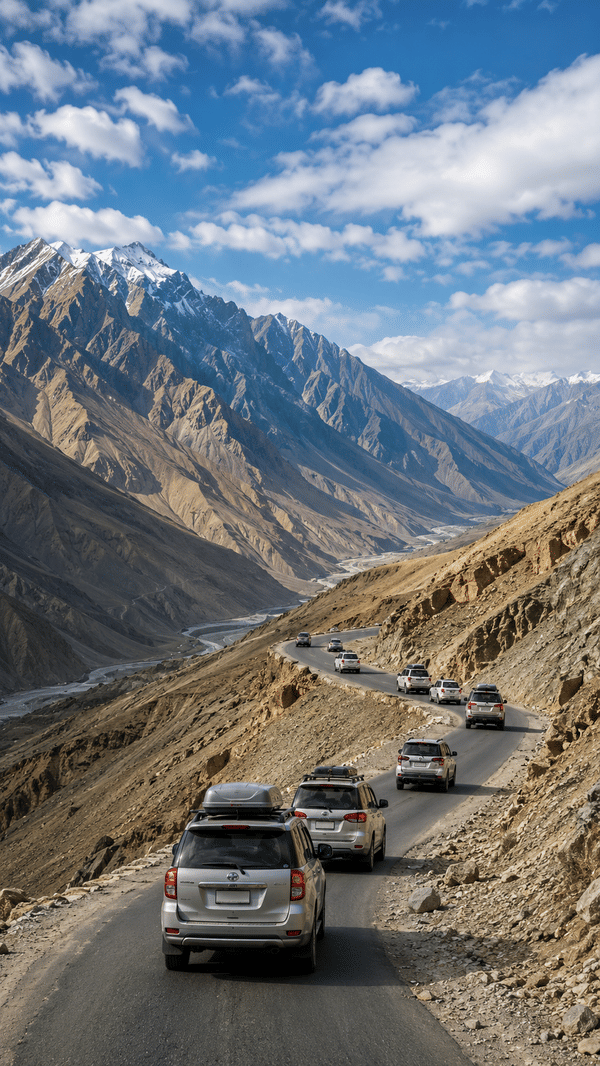
Full Spiti Valley Circuit Group Tour From Delhi: Shimla To Manali
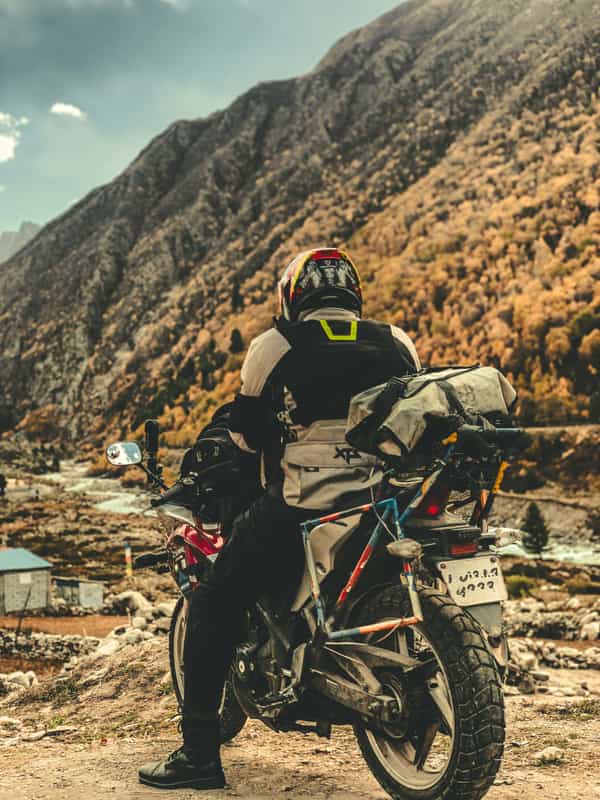
Spiti Valley Circuit Group Bike Trip | Tirthan To Manali On Two Wheels

Spiti Valley Backpacking Trip | Pocket Saver Himalayan Adventure

Spiti Valley Group Adventure | Exclusive Himalayan Escape
Historical Significance That Rivals Tibet's Greatest Monasteries

Founded by the great Buddhist translator Rinchen Zangpo (also known as Lotsawa Rinchen Zangpo) on behalf of King Yeshe-Ö of the western Himalayan Kingdom of Guge, Tabo Monastery played a crucial role in the second diffusion of Buddhism into Tibet. The monastery served as an intellectual hub where Indian pundits and Tibetan scholars gathered to translate Sanskrit Buddhist texts, making it instrumental in preserving and spreading Buddhist teachings.
The monastery's walls bear witness to this rich history through inscriptions dating back to 1042 CE and later, documenting the political, religious, and economic contributions of the Purang-Guge dynasty. Built as a "daughter monastery" of the famous Tholing Monastery in western Tibet, Tabo evolved into an important center of Buddhist learning where the Kadampa School eventually developed into the Gelugpa School.
Tabo Monastery Timings, Entry Fees & Practical Information (2026 Updated)

- Opening Hours: 5:00 AM - 6:00 PM (Daily, including holidays)
- Morning Prayer Time: 6:00 AM (highly recommended to attend)
- Entry Fee: No entry fee (donations welcomed and appreciated)
- Location: 39VM+C56, Tabo, Dhar Gangchhumi, Himachal Pradesh 172113
- Altitude: 3,050 meters (10,007 feet) above sea level
- Distance from Kaza: 46-50 km (approximately 1.5-2 hours by road)
- Nearest Airport: Bhuntar Airport, Kullu (approx. 200 km / 7-8 hours)
- Nearest Railway Station: Chandigarh (approx. 450 km / 12-14 hours)
- Protected By: Archaeological Survey of India (ASI)
- Best Time to Visit: May to October (June-September ideal)
Insider Tip: Visit during the early morning prayer session at 6 AM for a truly magical experience. The chanting monks, flickering butter lamps, and mystical atmosphere create an unforgettable spiritual moment. The monastery uses no electricity in the main temples, so bring a torch if visiting, though some guides provide them.
How to Reach Tabo Monastery: Complete Transportation Guide

Getting to Tabo Monastery is an adventure in itself, as it requires traversing some of India's most spectacular yet challenging mountain roads. Here's how to reach this remote sanctuary:
By Road (Most Common and Recommended)
Tabo Monastery is accessible by road from two main routes:
Route 1: Via Shimla (Recommended May-October)
- Delhi to Shimla: 342 km (7-8 hours) by bus or private vehicle
- Shimla to Reckong Peo: 235 km (7-8 hours) - scenic route through Kinnaur
- Reckong Peo to Tabo: 150 km (5-6 hours) via Nako
- Total journey time: 2-3 days recommended with overnight stops
Route 2: Via Manali (Popular June-October)
- Delhi to Manali: 540 km (12-14 hours) by overnight bus
- Manali to Kaza: 201 km (7-9 hours) via Rohtang Pass and Kunzum La
- Kaza to Tabo: 46 km (1.5-2 hours)
- Note: Rohtang Pass (3,978m) requires permits and is closed November-May
By Air + Road
The nearest airport is Bhuntar Airport (Kullu-Manali Airport), located approximately 200 km from Tabo. Airlines like Air India, IndiGo, and SpiceJet operate flights from Delhi and Chandigarh. From Bhuntar, you'll need to hire a taxi or take local transport to reach Tabo via Manali (7-8 hours total travel time by road).
By Rail + Road
The nearest major railway station is Chandigarh Railway Station, well-connected to major Indian cities. From Chandigarh, you can hire a taxi or take state transport buses to Shimla, then continue to Tabo via Reckong Peo. Total journey time: 12-14 hours from Chandigarh to Tabo.
Important Road Advisory: Both routes to Spiti Valley remain closed during winter (November-April) due to heavy snowfall. The Shimla route via Kinnaur opens earlier (late April/May) while the Manali route opens June onwards. Always check current road conditions before traveling and carry tire chains in shoulder seasons.
Permits Required for Tabo Monastery
- Indian Nationals: No permits required
- Foreign Nationals: Inner Line Permit (ILP) mandatory, obtainable from Shimla, Manali, Reckong Peo, or Kaza
- Permit processing time: Same day to 24 hours
- Documents needed: Passport, visa copy, 2 passport photos
Best Time to Visit Tabo Monastery: Month-by-Month Breakdown

Timing your visit to Tabo Monastery correctly can make the difference between a magical experience and a challenging ordeal. Here's a detailed breakdown:
Peak Season: June to September (Ideal)
June-July (Summer): Temperature 15°C to 30°C (day), -5°C to 10°C (night)
- Roads fully open and accessible
- Pleasant daytime weather, perfect for exploration
- Landscape lush and green (relatively)
- Peak tourist season - book accommodation in advance
- Special highlight: Chakhar/Chakar Festival (held every 3 years in July-August)
August: Temperature 12°C to 25°C
- Slight monsoon risk, though Spiti is rain-shadow area (<10mm annual rainfall)
- Occasional landslides possible on approach roads
- Fewer crowds than June-July
- Beautiful cloud formations for photography
September: Temperature 10°C to 20°C
- Arguably the best month - clear skies, stable weather
- Perfect visibility for mountain views and photography
- Harvest season - experience local culture
- Comfortable temperatures for trekking and exploration
Shoulder Season: May & October
May: Temperature 5°C to 20°C
- Spring blooms in valleys
- Roads just opening (Shimla route accessible, Manali route may still be closed)
- Fewer tourists - peaceful monastery experience
- Unpredictable weather, carry warm layers
October: Temperature 0°C to 15°C
- Autumn colors, crystal-clear skies
- Roads beginning to close by month-end
- Very cold nights, warm days
- Last chance to visit before winter closure
Off-Season: November to April (Not Recommended)
Winter months: Temperature -18°C to 5°C
- Roads completely closed due to heavy snowfall
- Extreme cold, unsuitable for most travelers
- Limited to no accommodation available
- Monastery accessible only to locals and resident monks
- Only recommended for extreme winter enthusiasts with proper preparation
Best Overall Time: September offers the perfect combination of stable weather, clear skies, comfortable temperatures, and fewer crowds. If you can only visit once, make it September!
Exploring the Tabo Monastery Complex: Architecture & Highlights

Spread over 6,300 square meters, the Tabo Monastery complex is a UNESCO World Heritage Site comprising multiple temples, stupas, caves, and residential quarters. Unlike the imposing fortified monasteries typical of Ladakh and Tibet, Tabo's architecture is remarkably humble yet this simplicity conceals extraordinary artistic treasures.
The Nine Sacred Temples
The monastery complex houses nine temples divided into two groups: the older temples from the original 996 CE construction and newer additions from later centuries.
Older Temple Group (996 CE - 11th Century):
- Assembly Hall (Du-khang/Tsug-la-khang): The main temple featuring the four-fold Vairocana Buddha, stunning 11th-century murals depicting Buddha's life, and exquisite stucco sculptures. The wooden planks of the ceiling are intricately decorated.
- Temple of the Enlightened Gods (Golden Temple): Houses rare depictions of Buddhist deities with gold leaf work
- Mystic Mandala Temple (Initiation Temple/dKyil-khor-khang): Features massive Vairocana painting surrounded by eight Bodhisattvas and intricate mandalas covering the walls
- Bodhisattva Maitreya Temple (Byams-Pa Chen-po Lha-khang): Contains a towering 6-meter-high statue of Maitreya Buddha and rare murals showing Tashilhunpo Monastery and Potala Palace
- Temple of Dromton (Brom-ston Lha khang): Founded by Dromton (1008-1064 CE), a principal disciple of Atisha, filled with wall paintings
Newer Temple Group (15th-20th Century):
- Chamber of Picture Treasures (Z'al-ma): Repository of thangka paintings and manuscripts
- White Temple (dKar-abyum Lha-Khang): Features stunning white-washed interiors
- Large Temple of Dromton: The largest temple in the complex with extensive wall paintings
- Mahakala Vajra Bhairava Temple (Gon-khang): Houses the protective deity of the Gelugpa sect; entered only after protective meditation
The 23 Chortens (Stupas)
Scattered throughout the complex are 23 chortens, four of which contain exquisite interior paintings. These white-washed stupas serve as meditation focal points and sacred reliquaries.
The Legendary Meditation Caves
Above the monastery, carved into the cliff face approximately 200 meters uphill (15-minute steep climb), lie the Tabo Cavesancient caverns used by monks for meditation and retreat. These caves feature:
- Natural and man-made chambers with smooth walls and floors
- Faded rock paintings and carvings
- Assembly hall spaces used for group meditation
- Historical significance as possible residences for traveling monks before the village was established
- Stunning panoramic views of the Spiti Valley
Photography Alert: Photography is prohibited inside the main temples to preserve the ancient murals and paintings (flashlights can damage centuries-old pigments). However, exterior photography and cave photography are generally permitted. Always ask permission before photographing monks.
The Extraordinary Murals and Frescoes
What truly distinguishes Tabo as the "Ajanta of the Himalayas" is its remarkable collection of murals executed in stunning cobalt blues, earth reds, and mineral pigments. These frescoes, dating from the 11th century onward, depict:
- The life of Buddha in intricate narrative sequences
- Various manifestations of Bodhisattvas
- Buddhist cosmology and mandala representations
- Rare iconographic themes showing influence from Central Asia and India
- Non-Buddhist protector deities like Wi-nyu-myin
The artistic style represents a unique fusion of Indian, Tibetan, and Central Asian influences, making Tabo's murals invaluable for art historians studying trans-Himalayan cultural exchange.
Things to Do at Tabo Monastery & Surroundings

1. Attend Morning Prayer Ceremonies
Wake before dawn and join the monks for their 6 AM morning prayers. The haunting chants, rhythmic drums, and flickering butter lamps create an atmosphere of profound spirituality. This experience alone is worth the journey to Tabo.
2. Meditate in the Ancient Caves
Climb to the meditation caves for personal reflection or meditation. The serene atmosphere, combined with panoramic valley views, provides a perfect setting for inner contemplation—exactly as monks have practiced for over 1,000 years.
3. Explore the Serkong School
The monastery runs the Serkong School (established 1999), teaching 274 students aged 5-14 in traditional Buddhist studies alongside modern education. Respectful visitors can observe this living tradition of Buddhist learning.
4. Study the Ancient Manuscripts
For serious Buddhist scholars, the monastery houses a priceless collection of Pramana texts and manuscripts (filmed 1991-1998 for preservation). Arrange advance permission for academic access.
5. Village Walks & Local Culture
Stroll through Tabo Village to experience authentic Spitian life. Meet locals, visit fruit orchards (apples and sea buckthorn), and observe traditional mud-brick architecture that has remained unchanged for centuries.
6. Photography Expeditions
While interior photography is restricted, the monastery's exterior, surrounding landscapes, and the dramatic Spiti Valley offer endless photographic opportunities—especially during golden hour and under the Milky Way at night.
7. Attend the Chakhar Festival
If you're lucky enough to visit during a Chakhar year (held every three years in July-August), witness spectacular Cham dances performed by masked monks, traditional music, and colorful celebrations that attract Buddhists from across the Himalayas.
Where to Stay Near Tabo Monastery: Accommodation Options

Tabo offers a range of accommodation from monastery guesthouses to boutique hotels. Here are your options:
Budget Accommodation (₹400-₹1,200 per night)
- Tabo Monastery Guest House: The most authentic experience—simple rooms, basic amenities, donations-based. Book directly at the monastery.
- Maitreya Homestay: Family-run homestay near the monastery, ₹1,200/person including meals. Contact: Mr. Rinchen Chhering
- Namsay Homestay: Traditional Spitian architecture with rammed earth walls, perfect for cultural immersion. Queer-friendly, excellent local food.
- Trojan Guest House: Budget hotel 0.5km from monastery on main road, convenient location
- Dekit Norphel Tiger Den Restaurant: Small Tibetan hotel near old monastery, ₹450-₹600/person
Mid-Range (₹1,500-₹3,000 per night)
- Sonam Homestay: Terrace with stunning Milky Way views, organic greenhouse vegetables, café on-site
- Echor Mud Huts Tabo: 200m from monastery, peaceful apple orchard setting by Spiti River
- Phuntsok Homestay: Near helipad for stargazing, warm hospitality, ₹2,340/person with meals
- Tkesang Homestay: Heritage property with colonial-era charm, accommodates families (no bachelors/unmarried couples)
Premium/Luxury (₹3,500+ per night)
- Hotel Maitreya Regency Tabo: Luxury hotel adjacent to monastery with modern amenities, traditional Spitian design, multicuisine restaurant
- Hotel Dewachen Retreat: Premium accommodation with hygienic food, comfortable rooms
- Norbu House Tabo: 2-star hotel with garden, terrace, restaurant, ATM facilities
Accommodation Tips:
- Book at least 2-3 weeks in advance during peak season (June-September)
- Most homestays include traditional Spitian meals (Thukpa, momos, tsampa)
- Electricity can be unreliable; carry power banks
- WiFi is limited; embrace the digital detox
- Consider staying in the monastery guesthouse for an authentic experience
Nearby Attractions: Complete Spiti Valley Circuit

Tabo's strategic location makes it an excellent base for exploring Spiti Valley. Here are must-visit nearby attractions:
Within 1-2 Hours
- Dhankar Monastery (32 km): Perched dramatically on a cliff 3,894m high between Spiti and Pin rivers, with stunning views
- Dhankar Lake: High-altitude glacial lake, 2-hour trek from Dhankar village
- Pin Valley National Park (45 km): Home to snow leopards, ibex, and rare Himalayan flora
- Lhalung Village & Monastery (17 km): Small ancient monastery with unique murals, peaceful village
From Kaza Base (46-50 km from Tabo)
- Key/Ki Monastery: Largest monastery in Spiti Valley, iconic hilltop location, training center for lamas
- Kibber Village (4,270m): One of world's highest motorable villages, wildlife spotting
- Komic Village (4,587m): World's highest village with motorable road, ancient Tangyud Monastery
- Langza (4,400m): Famous for Buddha statue overlooking valley, marine fossils
- Hikkim (4,400m): World's highest post office—send postcards from the clouds!
- Chandratal Lake (120 km via Kunzum La): Stunning crescent moon-shaped lake, camping destination
Other Notable Sites
- Gue Mummy (70 km): 500-year-old naturally preserved mummy of Buddhist monk
- Nako Village & Lake (30 km): Scenic lake, ancient monastery, apple orchards
- Tashigang Village: India's last inhabited village on Indo-Tibet border
What to Eat in Tabo: Local Cuisine & Dining Options

Tabo offers limited but authentic dining experiences. Here's what to try:
Must-Try Dishes
- Thukpa: Hearty Tibetan noodle soup—perfect for cold weather
- Momos: Steamed or fried dumplings (vegetable, cheese, or meat)
- Tsampa: Roasted barley flour porridge, traditional Tibetan staple
- Butter Tea (Po Cha): Salty Tibetan tea with yak butter—an acquired taste but culturally important
- Tibetan Bread (Baklep): Delicious flatbread served with butter tea
- Sea Buckthorn Juice: Local superfruit juice, rich in vitamin C
- Dried Apples & Apricots: Tabo is known for fruit orchards
Where to Eat
- Monastery Restaurant: Vegetarian meals, advance order required for non-veg
- SNEHA Restaurant (Maitreya Regency): Multi-cuisine, hygienic preparation
- Café Himalaya: Great coffee collection, 4 minutes from monastery
- Local Homestay Kitchens: Best authentic experience with home-cooked meals
- Village Dhabas: Basic but delicious Indian and Tibetan food
Food Advisory: Dining options are very limited in Tabo. Carry energy bars, dry fruits, and snacks. Vegetarians have more options; non-vegetarians should order in advance. Alcohol is generally not available due to the sacred nature of the area.
Essential Travel Tips for Visiting Tabo Monastery

Cultural Etiquette
- Dress modestly, cover shoulders and knees (carry layers as it's cold)
- Remove shoes before entering temple premises
- Maintain silence inside prayer halls and during ceremonies
- Walk clockwise around stupas and prayer wheels
- Always ask permission before photographing monks or religious ceremonies
- Don't touch religious artifacts, murals, or statues
- Respect "No Photography" signs in temple interiors
- Make donations to support monastery maintenance (no fixed amount, give as you wish)
Health & Safety
- Altitude Acclimatization: Tabo is at 3,050m. Spend 1-2 days in lower-altitude towns like Kalpa or Kaza before visiting if coming from plains
- Symptoms to watch: Headache, nausea, dizziness, breathlessness descend immediately if severe
- Stay hydrated: Drink 3-4 liters water daily, avoid alcohol and smoking
- Sun protection: UV radiation is intense, use SPF 50+ sunscreen, sunglasses, lip balm
- Medical facilities: Very limited, carry personal first-aid kit with altitude sickness medication (Diamox), pain relievers, bandages
- Insurance: Get comprehensive travel insurance covering high-altitude trekking
What to Pack: Ultimate Tabo Checklist
Clothing:
- Thermal innerwear (top & bottom)
- Fleece jackets (2-3 layers)
- Windproof and waterproof jacket
- Warm trousers/jeans
- Woolen cap, gloves, neck warmer
- Comfortable trekking shoes (broken-in, not new)
- Cotton socks and woolen socks
- Modest clothing for monastery visits (full sleeves, long pants/skirt)
Essentials:
- Reusable water bottle (reduce plastic waste)
- Torch/headlamp (monastery has no electricity)
- Power bank (10,000+ mAh)
- Personal medications + altitude sickness medication
- Toiletries (availability limited in Tabo)
- Cash (limited ATMs; nearest in Kaza)
- Photocopies of permits and ID documents
- Small backpack for day excursions
- Snacks and energy bars
- Books/journal (limited internet connectivity)
Optional but Recommended:
- Camera with extra batteries (cold drains batteries fast)
- Binoculars for wildlife and mountain viewing
- Trekking poles for cave hikes
- Portable water purifier/purification tablets
- Portable solar charger
Money Matters
- Carry sufficient cash, ATMs are scarce (nearest reliable ATM in Kaza, 46 km away)
- Most homestays and shops don't accept cards
- Keep small denominations for purchases and donations
- Daily budget estimate: ₹1,500-₹3,000 (budget), ₹3,000-₹6,000 (mid-range), ₹6,000+ (luxury)
Communication & Connectivity
- Mobile network: BSNL is most reliable; Airtel/Jio have patchy coverage
- Internet: Limited and slow; embrace digital detox
- Download offline maps (Google Maps offline areas) before arrival
- Inform family/friends about limited connectivity beforehand
Suggested Itineraries: How Long to Stay in Tabo

Quick Visit: 1 Day
- Morning: Arrive early, attend 6 AM prayers, explore main temples and assembly hall
- Midday: Lunch, visit Tabo caves
- Afternoon: Village walk, visit rock art sites
- Evening: Sunset viewing, depart or stay overnight
Recommended: 2-3 Days
- Day 1: Arrive, acclimatize, monastery orientation, evening prayer, stay overnight
- Day 2: Morning prayers, detailed temple exploration, meditation caves, village interactions, Serkong School visit
- Day 3: Day trip to Dhankar Monastery and Pin Valley, return to Tabo or move to Kaza
Extended: 7-8 Day Spiti Circuit
- Day 1-2: Shimla/Manali to Kalpa/Nako (acclimatization)
- Day 3-4: Nako to Tabo, monastery exploration
- Day 5: Tabo to Kaza via Dhankar
- Day 6: Kaza local sightseeing (Key, Kibber, Komic, Langza)
- Day 7: Chandratal Lake excursion
- Day 8: Return journey
Lesser-Known Facts & Insider Secrets

These insider insights will help you experience Tabo like a true traveler, not just a tourist:
- The monastery has no electricity: The main temple complex deliberately avoids electric lighting to preserve the ancient murals. Monks use butter lamps—experience this authentic atmosphere
- Lord Ganesha at a Buddhist monastery: Unusually, you'll find depictions of Hindu deity Ganesha at the entrance, showing the syncretic religious traditions of the region
- The 3-foot thick walls: The monastery's mud-brick walls are 3 feet thick, which is why it has survived over a millennium of earthquakes and harsh weather
- 32 raised medallions mystery: Before the 1975 earthquake, there were 32 raised medallions on temple walls, each with an image in front. Some were lost in the earthquake, what remains is historically priceless
- Secret assembly hall in caves: Few visitors know there's an assembly hall inside the cave complex used for group meditations
- Fruit research center: Tabo has a Fruit & Vegetable Research Centre developing high-altitude varieties worth a visit for agriculture enthusiasts
- Rock carvings: Look for ancient rock carvings near the monastery their exact age and origin remain debated
- The monks are excellent guides: Instead of hiring outside guides, request a monk to accompany you. They're knowledgeable, passionate, and their insights are invaluable
- Stargazing paradise: Tabo has minimal light pollution. The Milky Way is clearly visible on clear nights, don't miss this!
- Sea buckthorn harvest: If visiting in autumn, you might see locals harvesting sea buckthorn, a superfruit rich in vitamin C
Sustainable & Responsible Tourism at Tabo

As a visitor to this sacred 1,000-year-old site, practicing responsible tourism is not just recommended—it's essential. Here's how you can help preserve Tabo for future generations:
Environmental Responsibility
- Carry reusable water bottles: Plastic waste is a serious problem in the Himalayas. Refill from filtered water sources at accommodations
- Pack out all trash: There's no organized waste management. Carry trash bags and dispose waste properly in Kaza or larger towns
- Use eco-friendly toiletries: Biodegradable soaps and shampoos reduce water pollution
- Minimize water usage: Water is scarce in this high-altitude desert environment
- Support local businesses: Buy from local artisans, eat at family-run restaurants, stay in homestays
Cultural Sensitivity
- Respect monastic life—maintain quiet during prayer times
- Dress appropriately—modest clothing shows respect
- Learn basic Tibetan phrases—locals deeply appreciate the effort
- Ask before photographing people, especially monks and villagers
- Don't disturb ongoing ceremonies or meditation sessions
Economic Support
- Make generous donations to the monastery (they rely on this for maintenance)
- Purchase monastery souvenirs—proceeds support the monastic community
- Hire local guides and drivers
- Tip service staff fairly
- Consider contributing to the Serkong School (they welcome donations for educational materials)
Final Thoughts: Why Tabo Monastery Should Be on Your Bucket List

In a world increasingly dominated by superficial Instagram tourism, Tabo Monastery offers something profoundly different an authentic encounter with living Buddhist tradition, artistic masterpieces that rival the world's greatest museums, and a spiritual atmosphere that can genuinely transform your perspective.
Unlike many "over-touristed" Himalayan destinations, Tabo remains refreshingly uncommercialized. There are no crowds jostling for selfies, no souvenir shops every ten meters, no hawkers. Just ancient walls whispering stories from the 11th century, monks continuing unbroken traditions, and the vast, silent Spiti Valley stretching to the horizon.
Whether you're seeking spiritual growth, artistic inspiration, adventure, cultural immersion, or simply escape from modern life's chaos, Tabo delivers. It's not the easiest place to reach—but that's precisely what preserves its magic. The challenging journey becomes part of the reward, making your arrival at this sacred site all the more meaningful.
As His Holiness the Dalai Lama himself recognized when he chose Tabo for Kalachakra ceremonies and expressed his wish to retire here, this is no ordinary monastery. It's a portal to another time, another way of being, another understanding of what matters in life.
Plan your visit to Tabo Monastery and prepare for an experience that will stay with you long after you've descended from the Himalayas.
Frequently Asked Questions
Is there an entry fee for Tabo Monastery?
No, there is no entry fee for Tabo Monastery. However, donations are welcomed and help maintain this ancient heritage site. The monastery depends on visitor contributions, sales of postcards/souvenirs, and government grants.
What are the opening hours of Tabo Monastery?
Tabo Monastery is open daily from 5:00 AM to 6:00 PM, including weekends and public holidays. Morning prayer begins at 6:00 AM and is highly recommended to attend.
Can I stay inside Tabo Monastery?
Yes! Tabo Monastery offers basic guest house accommodation, which provides an authentic experience of monastic life. Rooms are simple with shared facilities. Book directly at the monastery or in advance through tour operators.
How difficult is the trek to Tabo Caves?
The trek to Tabo Caves is moderately easy but steep. It's a 15-minute uphill climb (about 200 meters) from the monastery. The path is well-defined but can be slippery. Suitable for people with average fitness, not recommended for those with mobility issues.
Can I visit Tabo Monastery in winter?
While technically possible for extreme adventurers, it's not recommended. Roads are closed November-April due to heavy snowfall, temperatures drop to -18°C or below, and most accommodations are closed. Only visit in winter if you have experience with extreme cold-weather travel.
Are there ATMs in Tabo?
No, Tabo does not have ATMs. The nearest ATM is in Kaza, approximately 46 km away. Carry sufficient cash for your entire stay. Some hotels may accept cards, but don't rely on it.
How cold does it get in Tabo?
Tabo experiences extreme temperature variations. Summer (June-September): -5°C to 30°C. Winter (December-February): -18°C to 5°C. Even in summer, nights are very cold. Always carry warm clothing regardless of when you visit.
When is the Tabo Festival/Chakhar Festival celebrated?
The Chakhar Festival (also called Chak Khar) is celebrated every three years in July or August. It features masked Cham dances, traditional music, and elaborate religious ceremonies. The 2026 festival dates should be confirmed closer to the year.
Do I need a permit to visit Tabo Monastery?
Indian nationals do not need any permits. Foreign nationals require an Inner Line Permit (ILP) which can be obtained from Shimla, Manali, Reckong Peo, or Kaza. The permit is usually issued on the same day or within 24 hours.
Is photography allowed inside Tabo Monastery?
Photography is prohibited inside the main temple halls to protect the ancient murals and frescoes from light damage. However, exterior photography and photography in the caves is generally permitted. Always ask permission before photographing monks.


