Camping
Camping in Paro Valley is a Bhutan serenity escape, pitching tents among pine forests, rice fields, and traditional Bhutanese farmhouses under starlit Himalayan skies.

Bhutan is the country that never learned to rush. And somehow, that's its greatest achievement. Tucked between India and China, it is one of the few countries that has deliberately avoided mass tourism to protect its environment and traditions. Bhutan Tourism is guided by a philosophy called “High Value, Low Impact.” What this really means is simple: fewer tourists, better experiences, and stronger protection of nature and culture. You don’t get rushed sightseeing schedules here. You get slow travel, quiet roads, and space to actually experience a place. The country is often called the “Land of the Thunder Dragon.” That name fits. Mountains dominate the skyline, clouds sit low over valleys, and ancient monasteries feel like they belong more to the landscape than to time. A Bhutan tour package is not about ticking off attractions. It is about slowing down enough to notice what most destinations have lost, silence, clarity, and rhythm.
| Fact | Detail |
|---|---|
| Capital | Thimphu |
| Official name | Kingdom of Bhutan |
| Location | Eastern Himalayas, between India and China |
| Currency | Bhutanese Ngultrum (BTN) |
| Official language | Dzongkha |
| Time zone | Bhutan Standard Time (GMT +6) |
| Population | Around 7.8 lakh |
| Religion | Vajrayana Buddhism is the dominant religion |
| Government | Constitutional monarchy |
| King | Jigme Khesar Namgyel Wangchuck |
| National dress | Gho for men and Kira for women |
| Famous for | Monasteries, Gross National Happiness, Himalayan landscapes, and sustainable tourism |
| Best time to visit | March to May and September to November |
| International airport | Paro International Airport |
| Country code | +975 |
| Visa for Indians | Indian citizens do not need a visa, but require a valid passport or voter ID card |
| Entry Permit | Mandatory for all tourists, including Indian nationals. Can be obtained online or at port of entry. |
| Sustainable Development Fee (SDF) | Indian travellers currently pay a daily SDF fee while visiting Bhutan |
| Currency accepted | Indian Rupees are widely accepted in most tourist areas |
| Highest peak | Gangkhar Puensum, the world’s highest unclimbed mountain |
| National animal | Takin |
| National sport | Archery |
| Tourism policy | “High Value, Low Volume” tourism model to preserve culture and environment |
Bhutan stands apart because it was never designed for large-scale tourism. The result is a travel experience that feels controlled, intentional, and deeply human.
Here’s what defines Bhutan experiences:
This creates a rare situation. You don’t feel like an outsider watching a country perform. You feel like a guest passing through something that is still very real.
Securing a visa for Bhutan tourism is a straightforward process, but it works differently from many other countries.
For citizens of India, a visa is not required. However, an entry permit is mandatory. This can be obtained online before your trip or upon arrival at the port of entry. A valid passport or a Voter ID card is required for the permit. While they do not pay the visa fee, Indian nationals are required to pay the Sustainable Development Fee.
Bhutan's “High Value, Low Impact” tourism policy is enforced financially through the Sustainable Development Fee (SDF). As of 2026, international tourists pay USD 100 per person per night. Children aged 6 to 12 receive a 50% discount, paying USD 50 per night, and children under 6 are exempt from the fee. Indian nationals pay a separate, lower rate of INR 1,200 per person per night.

Getting into Bhutan is straightforward once you know the two real options. For most travelers, it comes down to flying into Paro or entering by road from India.
By Air: Paro International Airport, Bhutan’s only international airport, is famous for one of the world’s most difficult aircraft landing approaches. Druk Air and Bhutan Airlines operate flights from cities including Delhi, Mumbai, Kolkata, Bangkok, Singapore, Kathmandu, and Dhaka. Delhi to Paro is roughly a 2-hour flight. Peak-season seats disappear quickly, so lock in flights early if your dates are fixed.
By Land (Indian Nationals Only): Phuentsholing is the most common land entry point, reached via Siliguri in West Bengal. Jaigaon sits right next to Phuentsholing on the Indian side, so crossing over feels effortless. From there, the drive north to Thimphu typically takes about 4 to 5 hours. It's scenic, easier on the budget, and it's the route many travellers use for a Bhutan road trip. Gelephu (from Assam) and Samdrup Jongkhar (also from Assam) are other crossings, though they're far less common for tourist itineraries.
The best time to visit Bhutan depends on what you're prioritizing, trekking conditions, festival calendars, clear views, or simply fewer people on the road. Here's how the seasons usually play out:
| Season | Months | Weather | Best For |
|---|---|---|---|
| Spring | March to May | Mild temperatures, clear skies, rhododendrons in bloom | Trekking, festivals (Paro Tsechu), photography |
| Summer / Monsoon | June to August | Heavy rainfall, intensely green landscapes | Lower costs, fewer crowds, cultural immersion |
| Autumn | September to November | Crystal-clear mountain views, cool weather | Trekking, Thimphu Tsechu, strongest all-around conditions |
| Winter | December to February | Cold, snow at higher altitudes | Birdwatching (Black-necked Cranes), fewer tourists, lower prices |
If you want a single answer, October and November are the safest bet. Skies are crisp, the mountain views tend to be wide open, and Thimphu Tsechu brings the capital to life with masked dance performances. If Tiger's Nest is high on your list (or you're planning something bigger like the Snowman Trek) this window is where Bhutan is most cooperative.

Key destinations to include in your Bhutan itinerary:
Key Activities and Experiences:
A Tshechu is not a festival you stumble into. It is the kind of thing worth building your entire trip around.
Major Festivals to Plan Around:
Beyond its cultural tours and serene monasteries, Bhutan is a premier destination for adventure travel. Bhutan Tourism offers adventures for every skill level.
Trekking: Bhutan has trails for every kind of trekker. The legendary Snowman Trek spans 28 days and crosses 11 high passes, making it one of the toughest treks in the world, with less than 50% of those who attempt it actually finishing it. The Druk Path Trek Bhutan is a 4 to 5-day route between Paro and Thimphu, gentler but no less rewarding. Mountain Biking: Winding mountain roads, rugged trails, and the kind of scenery that makes you forget how hard you are working. The Tour of the Dragon, a one-day race covering 268 km, gives you a sense of just how serious the terrain gets. Whitewater Rafting and Kayaking: The Mo Chhu in Punakha offers Class I to II rapids with Punakha Dzong drifting past in the background. The Pho Chhu is a different story, Class III to IV rapids fed by Himalayan glaciers, for those who want more of a fight. Rock Climbing: Just above Thimphu sits The Nose, Bhutan's main climbing area with 13 bolted routes of varying difficulty. Additional spots in Paro and near Dochula Pass offer more options, all with Himalayan backdrops that make the climb worth it.

Shopping in Bhutan is nothing like browsing a tourist market. The stuff here is made by hand, rooted in tradition, and honestly, hard to leave without.
Authentic Bhutanese Souvenirs:
Bhutan's food is not subtle. Red rice, melted cheese, and chillies that are treated less like a condiment and more like a vegetable form the backbone of most meals. Dining in a traditional setting, often inside a heritage building, is an experience that goes well beyond the food itself. Thimphu and Paro also have cafes and restaurants that cater to international palates without feeling out of place.
Bhutanese food does not ease you in gently. Chillies are not a condiment here; they are a vegetable, and they show up in almost everything. The foundation of most meals is local cheese called datshi and nutty red rice.
Bhutan is one of the safest countries in Asia, but the country runs very differently from typical Southeast Asian destinations. The pace is slower, permits matter, and infrastructure is more limited than many travellers expect. A little preparation makes the trip far smoother.

Bhutan is one of the safer destinations in the region, but a few things are worth knowing before you go for smooth Bhutan tourism.
Bhutan is peaceful and politically stable, but practical caution still matters.

Whitewater rafting on Bhutan's Mo Chhu river near Punakha offers gentle-to-exciting rapids through pine-clad valleys, with views of Punakha Dzong's stunning riverside fortress.

Trekking in Paro Valley is a Bhutan highlight, with scenic hikes to the cliffside Tiger's Nest Monastery, rhododendron forests, and panoramic Himalayan mountain views.
Camping in Paro Valley is a Bhutan serenity escape, pitching tents among pine forests, rice fields, and traditional Bhutanese farmhouses under starlit Himalayan skies.

Kayaking on Bhutan's Wang Chhu river in Thimphu offers calm-to-exciting paddling, combining river adventure with views of the Bhutanese capital's temples and fortresses.

Relaxing at Paro's hot springs is Bhutan's traditional wellness ritual, offering mineral-rich tshachu baths believed to heal ailments amid the region's serene alpine landscapes.

Paragliding in Paro is Bhutan's rare aerial adventure, soaring above pine-covered hills, the Paro Chhu River, and sacred dzongs in the Himalayan kingdom's sacred western valley.

Sonam Trophel Restaurant in Paro is a Bhutan favourite for authentic Bhutanese dishes like ema datshi, phaksha paa, and red rice served in a warm family-run setting.

The Folk Heritage Museum Restaurant in Thimphu is a Bhutan dining highlight, plating traditional Bhutanese cuisine inside a restored 150-year-old farmhouse with living heritage ambience.

Babesa Village Restaurant in Thimphu is one of Bhutan's oldest dining spots, serving authentic Bhutanese cuisine in a century-old rammed-earth farmhouse by the Thimphu River.

San Maru Restaurant in Thimphu is a Bhutan surprise for Korean cuisine, offering bibimbap, kimchi jjigae, and Korean BBQ for travellers craving East Asian flavors in the Himalayas.

Taktsang Cafeteria is Bhutan's iconic stop along the hike to Tiger's Nest Monastery, serving warming Asian and Bhutanese dishes with views back toward the sacred cliffside shrine.

Ambient Cafe in Thimphu is a cosy Bhutan hangout serving European classics, pastas, and pizzas, a comforting detour from traditional Bhutanese cuisine in the capital.

Thimphu Craft Market is Bhutan's must-visit bazaar, showcasing traditional handicrafts like woven textiles, thangkas, prayer wheels, wooden masks, and silver jewelry by local artisans.

Norzin Lam Street is Thimphu's main shopping artery, offering Bhutan's souvenirs, traditional clothing, prayer items, and snacks from small local shops in the heart of the capital.

Paro Market is Bhutan's charming weekend bazaar, selling jewelry, handicrafts, spices, and daily essentials alongside fresh produce from across the western Himalayan region.

The Centenary Farmers' Market in Thimphu is Bhutan's largest produce market, packed with fresh fruits, vegetables, yak cheese, and dried red chillies from across the country.

Bhutan Art Gallery in Thimphu celebrates Bhutanese artistic heritage with thangkas, sculptures, and contemporary works by local artists preserving the country's sacred aesthetic traditions.

Khuruthang Market in Punakha is Bhutan's traditional clothing bazaar, offering hand-woven kira and gho garments, prayer scarves, and daily essentials for residents of the Punakha Valley.
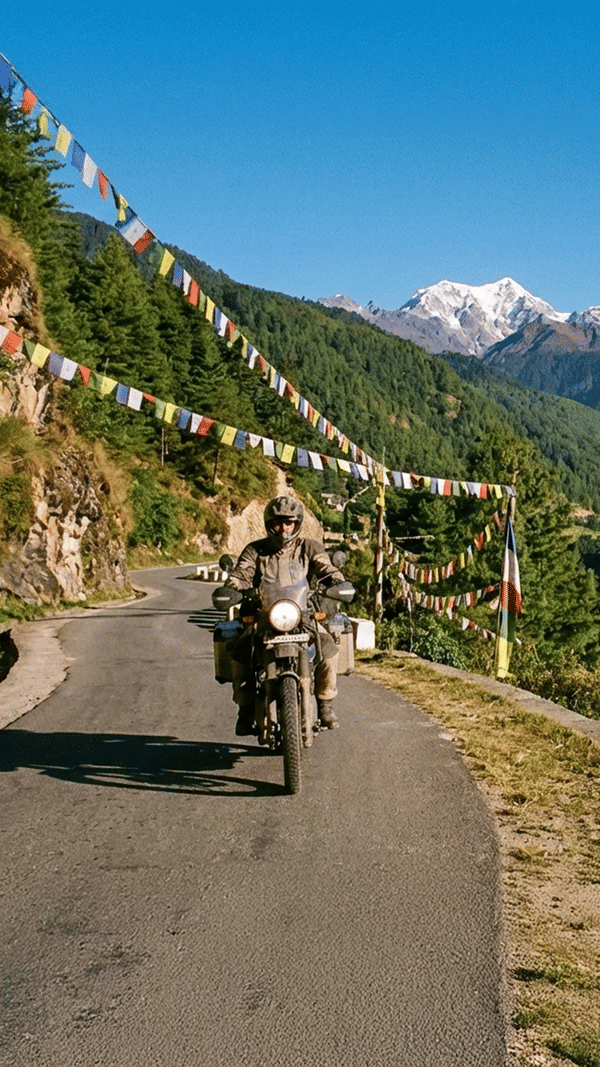
1N Phuentsholing • 1N Thimphu • 1N Punakha • 1N Phobjikha • 2N Paro • 1N Siliguri

2N Thimphu • 1N Punakha • 2N Paro

1N Phuentsholing • 2N Thimphu • 2N Paro • 1N Phuentsholing

1N Phuentsholing • 2N Thimphu • 1N Punakha • 2N Paro • 1N Siliguri
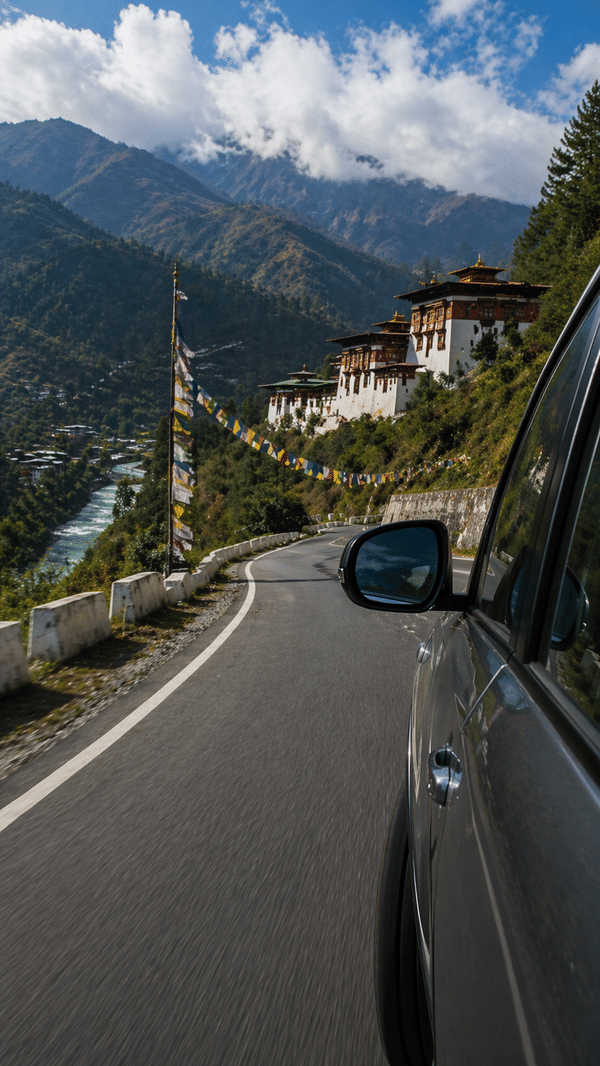
1N Phuentsholing • 2N Thimphu • 2N Paro • 1N Siliguri
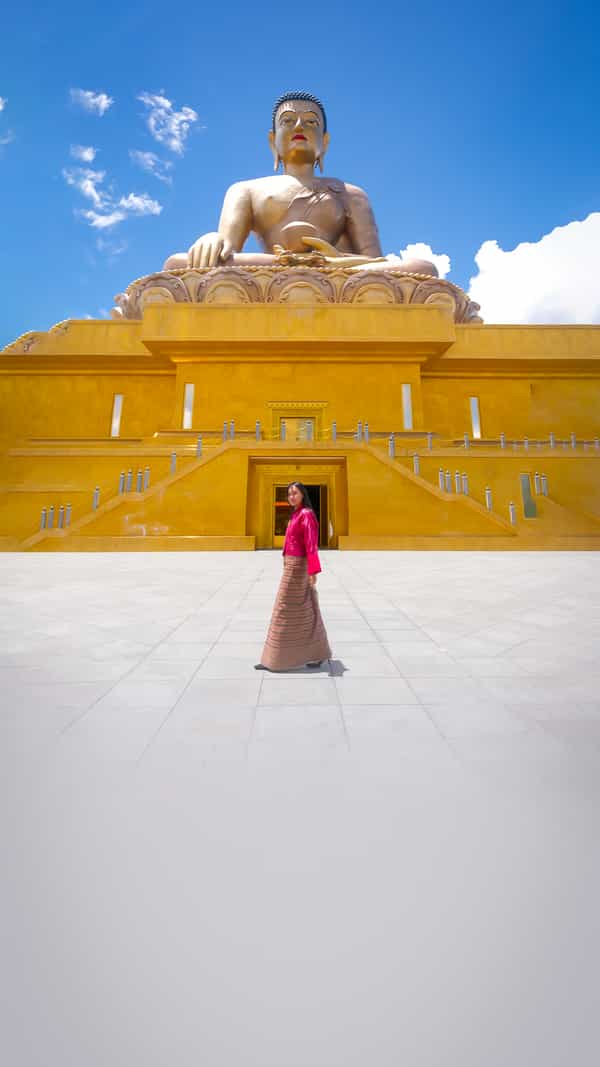
1N Phuentsholing • 1N Thimphu • 1N Punakha • 1N Phobjikha • 2N Paro • 1N Siliguri

2N Thimphu • 2N Paro

1N Phuentsholing • 2N Thimphu • 2N Punakha • 3N Paro • 1N Siliguri
1N Phuentsholing • 1N Thimphu • 1N Punakha • 1N Phobjikha • 2N Paro • 1N Siliguri
1N Phuentsholing • 2N Thimphu • 2N Paro • 1N Siliguri
1N Phuentsholing • 1N Thimphu • 1N Punakha • 1N Phobjikha • 2N Paro • 1N Siliguri

1N Phuentsholing • 1N Thimphu • 1N Punakha • 2N Paro • 1N Haa Valley • 1N Phuentsholing
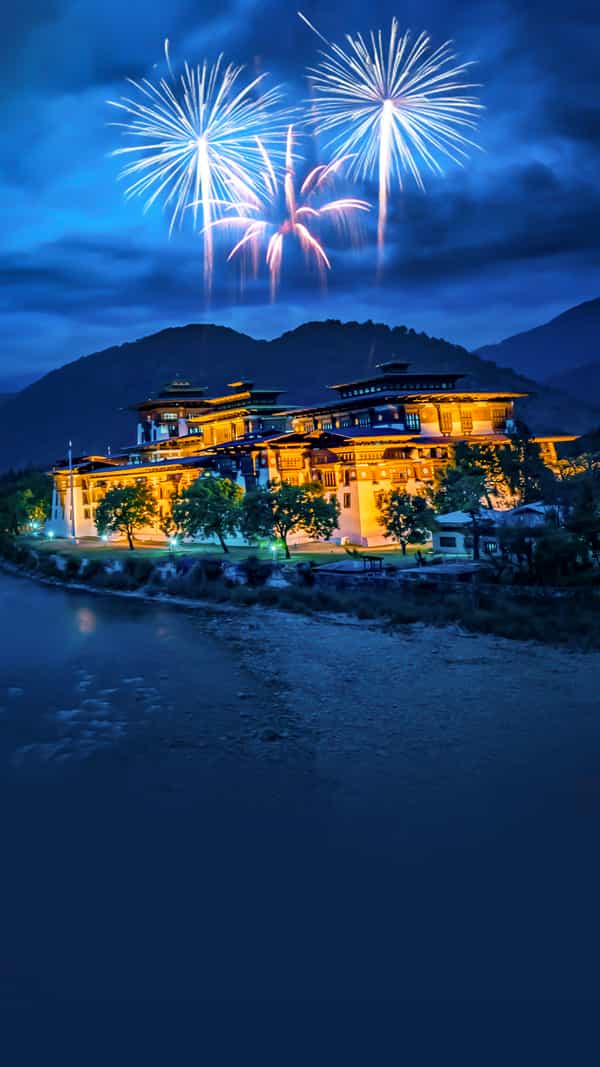
1N Phuentsholing • 1N Thimphu • 1N Punakha • 1N Phobjikha • 2N Paro • 1N Siliguri
1N Phuentsholing • 2N Thimphu • 2N Paro • 1N Siliguri
2N Thimphu • 2N Paro
1N Phuentsholing • 2N Thimphu • 2N Punakha • 3N Paro • 1N Siliguri
2N Thimphu • 1N Punakha • 2N Paro
1N Phuentsholing • 2N Thimphu • 1N Punakha • 2N Paro • 1N Siliguri
1N Phuentsholing • 2N Thimphu • 2N Paro • 1N Phuentsholing
Suudha Seth
23 Jun 2026We went to Bhutan thru wander on . I must say they are very reliable n supportive . They were always there whenever we needed them Everything was managed in a very planned manner Special thanks to mr Rahul and mr Mukul They were very helpful through out our trip . Looking forward for many more trips with them Thanks
BHARATI CHATURVEDI
23 Jun 2026Went to trip of Bhutan organised by Wander On .It was a well organised trip.Mukul and Rahul along with their team were cooperative,helpful .Looking forward to next one . Thanks 👍
venigalla pranavi
22 Jun 2026My trip to Bhutan with WanderOn was an unforgettable adventure, packed with everything from stunning mountain landscapes to a literal 5.8 magnitude earthquake in Thimphu!. A huge shoutout to our trip captain ABHIJAY👏, who was incredibly proactive, present, and helpful the entire time. He stayed right with the group during the tough stretches of the trek, ensuring everyone made it back safely down the mountain. His supportive attitude made a massive difference."
Ayesha Rukhsar
22 Jun 2026This was my third trip with WanderOn, this time to Bhutan in June 2026, and I can confidently say I’ve seen a remarkable upgrade since my first trip with them in December 2023. The two biggest reasons I keep choosing WanderOn are women’s safety and their seamless trip coordination. They’ve built such trust that even my parents now ask, “Why aren’t you booking with WanderOn instead of other vendors?” That’s the kind of confidence and impact they’ve created over the years. Yes, they may be slightly premium compared to others, but the experience makes it worth every penny. One thing they never compromise on is the quality of stays. All our accommodations in Bhutan were comfortable, beautiful, and well chosen. The food included in the package was decent, the local guides were amazing, and the itinerary was thoughtfully planned. There was a minor delay on Day 1 due to flight delays, and the team tried their best to accommodate everyone, which eventually led to a delayed border crossing from Jaigaon to Phuentsholing. However, these things can happen while managing a large group, and it was handled professionally. A special mention to our Trip Captain, Abhijay (Avi). Calm, composed, energetic, professional, and incredibly humble—he truly made the trip memorable. It was my birthday during the trip, and I hadn’t mentioned it because I usually don’t celebrate birthdays. But Avi and my fellow travellers changed that for me and made the day feel special. Thank you for that memory. The only disappointment of the trip was the last night’s stay and the vehicle arranged for our drop back to Siliguri. The journey felt quite congested and suffocating, and honestly, it didn’t do justice to the price paid or to the otherwise excellent experience. Overall, this was another wonderful journey with WanderOn, and despite a few shortcomings at the end, I returned with beautiful memories, new friendships, and yet another reason to travel with them again.
Your right to Know!
No. Indian, Bangladeshi, and Maldivian nationals don't need a visa to enter Bhutan. Indian travelers must carry a valid Indian passport or Voter ID card. Indian nationals still pay the Sustainable Development Fee of INR 1,200 per person per night, and travel is typically arranged through a licensed Bhutanese tour operator or via official permit channels.
October and November (autumn) are the most reliable months for clear mountain views, pleasant temperatures, and major events like Thimphu Tsechu. Spring (March to May) is just as popular, especially for trekking and rhododendron blooms. For a month-by-month view, see the best time to visit Bhutan.
International tourists (excluding Indian, Bangladeshi, and Maldivian nationals) must book through a licensed Bhutanese tour operator; fully independent travel isn't permitted. Indian nationals have more flexibility, but many still use a registered operator to manage logistics, permits, and the SDF payment process.
Tourist SIMs from Bhutan Telecom (B-Mobile) and TashiCell are sold at Paro International Airport and in Thimphu. You'll need your passport for registration. Coverage is solid in the western valleys (Paro, Thimphu, and Punakha) but it can be drop in remote eastern areas and at higher altitudes.
Bhutan uses the Ngultrum (BTN), pegged 1:1 to the Indian Rupee. Indian travelers can use INR directly (INR 100 notes and above are widely accepted). International travelers are best off carrying USD or Euros to exchange at Paro Airport or the Bank of Bhutan. Bring enough cash because ATMs outside Thimphu and Paro can be unreliable, and card acceptance is limited beyond larger spots in the capital.
1. Indian passport holders need a permit (not visa) to enter Bhutan, issued on arrival or via registered tour operators.
2. Bhutan charges a Sustainable Development Fee (SDF) for most foreign visitors, so include this in your trip budget.
3. Respect Bhutan's Buddhist customs — remove shoes at dzongs, dress modestly, and walk clockwise around stupas and prayer wheels.
4. Bhutan bans tobacco sales and smoking in public, so avoid carrying large quantities which can attract heavy customs fines.
5. Weather varies sharply between Paro, Thimphu, and Bumthang, so pack warm layers year-round for morning and evening hikes.
6. Mobile connectivity is limited in rural Bhutan, so pre-download maps and rely on tour operators for logistics and route changes.
Some good reads to help you travel better!


Travel More. Worry Less. We've Got the Rest.
Expertly Crafted Itineraries
Famous sights, hidden gems, and everything in between — planned around your vibe, your crew, your budget.
Passionate Trip Captains
Our Captains are trained to lead and set the vibe. They will be part guide, part friend, all in.
End-to-End Travel Support
Visa help, on-ground assistance, round-the-clock support! You just book, we will handle the rest.
Top Rated by Travellers
4.9 stars on Google and TripAdvisor from 2 lakh+ travellers who booked, and came back to say it was worth it.
Transparent Pricing, No Hidden Costs
We clearly spell out what's included and what's not, so nothing catches you off guard mid-trip.
Best Stays, Transport & Meals
We arrange comfy stays, reliable drivers with good vehicles, and the best meals we can find for you.
Don't Just Dream, Travel!
Don't just dream travel!
Allow us to call you back!

Don't just dream travel!
Allow us to call you back!