


April is when Ladakh slowly wakes up from its winter slumber and it's one of the most magical times to be here. If you've been Googling Ladakh in April, wondering whether the roads are open or the weather is bearable, here's your answer. Ladakh temperature in April sits between -5°C at night and a comfortable 10–15°C during the day, with skies so blue they don't even look real.
What makes a Leh Ladakh trip in April so underrated is the perfect balance it offers. The snow-capped mountains are still dramatic and stunning, the roads are accessible, and the tourist crowds haven't taken over yet. It's that sweet spot before the summer rush, raw, peaceful, and absolutely worth it. If you're looking for a stress-free way to plan it all, our Leh Ladakh tour packages have you covered from stays to sightseeing.
And for the ones who'd rather feel every mountain curve under their wheels, you know who you are. Our Leh Ladakh bike trip packages are built for riders who want the full experience, wind, altitude, and all. Keep reading as we break down everything you need to know for the perfect trip to Leh Ladakh in April.
Ladakh In April: Quick Snapshot

- Ladakh Temperature April:−22°C to 10°C (temperatures fluctuate from early to late April).
- Pangong Lake in April: Partially frozen, transitioning to deep blue — accessible via Chang La
- Key Activities: Sightseeing, frozen lakes exploration, attend local cultural events and market hopping, witnessing apricot blossom (late april)
- Accessibility: Manali-Leh Highway is closed; Srinagar-Leh Highway generally opens mid-late April (subject to snowfall and weather conditions); air travel is the most reliable way.
- Route: Srinagar → Sonamarg → Zojila Pass → Drass → Kargil → Lamayuru → Leh
- Permits: Inner Line Permit (ILP) for Indian Tourists and Protected Area Permit (PAP) for Foreign Nationals
- Ladakh April Crowds: Low to minimal; one of the quietest months to visit
- Festivals: Matho Nagrang Festival, Shey Doo Lhoo
Best Selling Ladakh Tour Packages
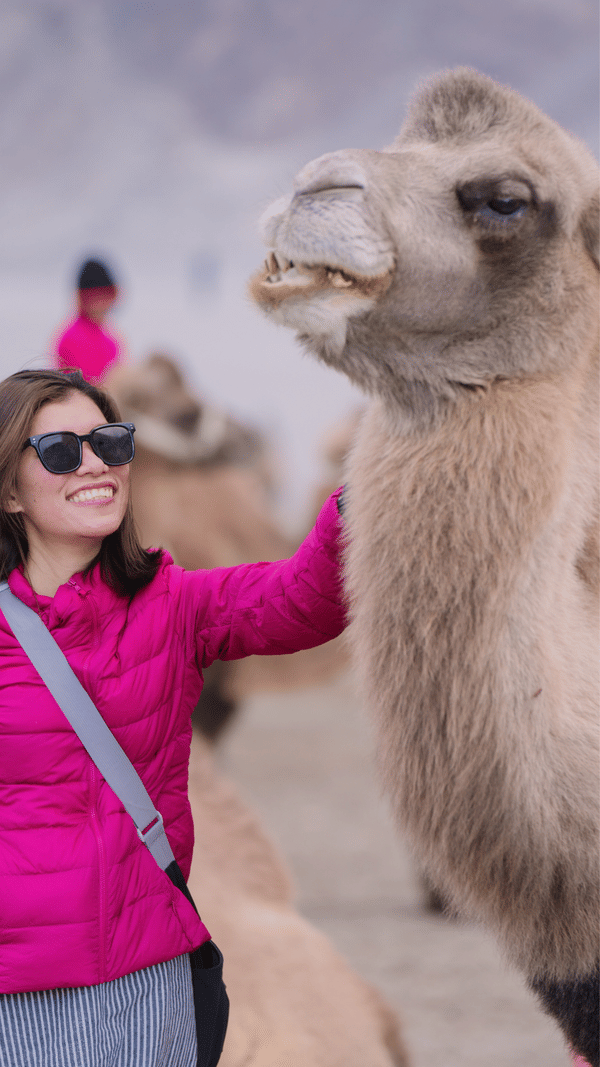
6 Days Leh Trip with Nubra and Pangong | Super Saver

Great Lakes of Ladakh: Manali to Srinagar - 9 Days Value Expedition

8 Days Apricot Blossom Special Trip to Ladakh

5-Day Leh Ladakh Tour: Khardung La Adventure

9 Days Srinagar to Leh Tour with Turtuk and Tso Moriri
Is Ladakh Open In April?

Is Ladakh open in April? Mostly yes, flights run year-round and the Srinagar–Leh highway typically reopens by April.
By April, Ladakh starts opening up after the harsh winter months. The Srinagar–Leh Highway is usually accessible around this time, and road conditions are far better than peak winter. Flights to Kushok Bakula Rimpochee Airport run regularly from major cities, making it one of the easier months to reach Ladakh without too much uncertainty.
But what really makes Ladakh in April special is the shift in the landscape. It marks the beginning of spring, when the region slowly comes back to life.
You’ll also catch the Ladakh Apricot Blossom Festival, where valleys, especially in lower areas, are covered in soft pink and white blooms. It’s a completely different side of Ladakh compared to the usual rugged, barren imagery, and easily one of the most underrated times to visit.
Local roads in Leh Ladakh in April are reliably open to major attractions such as Leh Palace, Shanti Stupa, Thiksey Monastery and Shey Palace. Places such as Nubra Valley, Pangong Tso and Chang La also become increasingly accessible in April as temperatures begin to rise.
That said, don’t treat April like peak summer, conditions can still be unpredictable. It’s always a good idea to check the latest road status before heading toward high-altitude passes.
Carry proper winter layers, because mornings and nights can still get quite cold with temperatures sometimes dropping below freezing. Keep a buffer of 1–2 days in your plan. Weather in Ladakh can change quickly and having that extra time can save you from unnecessary stress if there are any delays.
Ladakh Weather In April

Ladakh temperature in April usually ranges from −15°C to 15°C. Days start feeling warmer compared to March, but nights are still properly freezing. Early Ladakh weather in April still feels like winter, especially at higher altitudes. By the second half, lower regions see daytime temperatures between −3°C to 15°C, with snow melting in the valleys while passes remain snow-covered.
Region-wise snapshot:
- Leh (−7°C to 15°C): Sunny afternoons get pleasant by mid-April, but nights stay well below zero. Blossom season begins toward the end of the month. AMS is a real risk—take 1–2 days to acclimatize after landing.
- Nubra Valley (−5°C to 15°C): Slightly warmer than Leh. Khardung La is usually open, but closures can happen without much notice.
- Pangong Lake (−15°C to 10°C): The frozen lake starts thawing mid-April. Wind chill makes it feel 8–12°C colder. Stay options are very limited this time of year.
- Tso Moriri (−20°C to 8°C): Still extremely cold and partially frozen early in the month. Minimal infrastructure—better avoided unless you’re well-prepared. Black-necked cranes start returning late April.
- Kargil (−5°C to 14°C): One of the more comfortable areas. Snow begins to melt, and access depends on the Srinagar–Leh highway reopening (usually late April).
- Zanskar Valley (−15°C to 10°C): Mostly cut off. The Pensi La route typically doesn’t open until late May, only for experienced travelers.
Key travel notes:
Srinagar–Leh highway starts reopening mid March; Manali–Leh remains shut till late May/June. UV is strong, so carry sunscreen and sunglasses. Layered winter clothing is still essential everywhere. Always check BRO updates and local advisories before heading out.
Why Visit Ladakh In April?

Leh Ladakh in April feels like the region is slowly waking up after months of winter. The cold hasn’t fully gone, nights are still freezing, especially at higher altitudes. But you’ll start to notice warmth during the day. Snow begins to pull back from lower slopes, rivers pick up flow, and the whole landscape sits somewhere between winter and summer.
April hits that rare balance; it’s still quiet and unhurried, but accessible enough to explore key places around Leh without too much struggle. It’s Ladakh in a more raw, unpolished state, before peak season takes over.
- Spring Blossoms in a High-Altitude Desert: One of the biggest highlights this time of year is the bloom. Apricot blossom Ladakh April start appearing around Indus Valley, Leh, and especially Sham Valley. Soft pink and white flowers against barren brown mountains and bright blue skies. It’s a contrast you only get for a short window before it fades by May.
- Frozen-to-Thawing Lakes: Lakes look completely different too. Pangong Lake and Tso Moriri are in that in-between phase, part frozen, part thawing. You’ll see cracked ice, patches of deep blue water, and snow-covered backdrops. It’s not the classic summer look, but honestly, it’s more unique.
- Passes Begin Opening, Giving Access to Remote Regions: By April key passes like Khardung La and Chang La are usually open which means places like Nubra and Pangong become reachable. The Srinagar–Leh highway also starts reopening toward the end of the month, making overland access possible again.
- Fewer Crowds, More Authentic Local Life: Another big plus—there are barely any crowds. Monasteries like Thiksey Monastery, Hemis Monastery, and Diskit Gompa feel calmer and more personal. Markets in Leh move at a slower pace, and you get a more genuine sense of everyday life as locals start preparing for the short farming season.
- Migrating Wildlife Returns: Wildlife begins to return as well, making it one of the best times to witness bird migration in Ladakh in spring. Around wetlands near Tso Moriri and Hanle, species like the Black-necked crane start appearing, along with bar-headed geese and Brahminy ducks making it a great time if you’re into birdlife.
- Lower Travel Costs Compared to Peak Season: It’s also easier on the pocket. Flights and stays are generally cheaper than peak season and you won’t have to fight for bookings. Plus with longer daylight hours and daytime temperatures touching 10–15°C you can actually spend more time outdoors without constantly escaping the cold.
- Clear Skies and Sharp Mountain Views Persist: Skies stay clear, visibility is sharp, and the mountains, whether it’s the Himalayas, Karakoram, or Zanskar ranges—look incredibly crisp against the dry air. For photographers, that mix of blossoms, snow peaks, and empty landscapes is hard to beat.
- A Quieter, More Reflective Ladakh: April isn’t about rushing through a checklist. It’s slower, quieter, and a bit unpredictable, but that’s exactly what makes it special. It gives you the space to actually experience Ladakh, not just pass through it.
More Ladakh Tour Packages
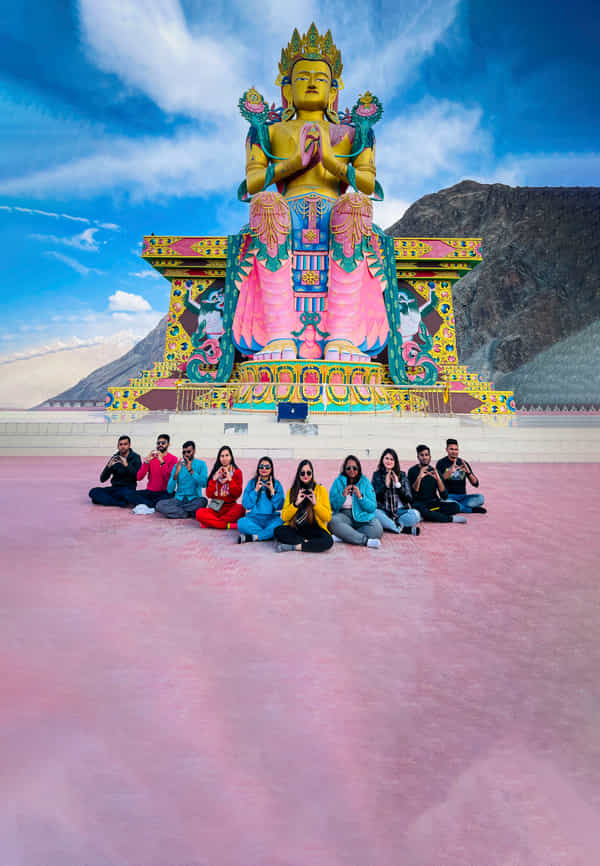
9 Days Thrilling Srinagar to Leh Tour Package with Umling La

Thrilling Experiential Ladakh Tour With Umling La: SUV Edition
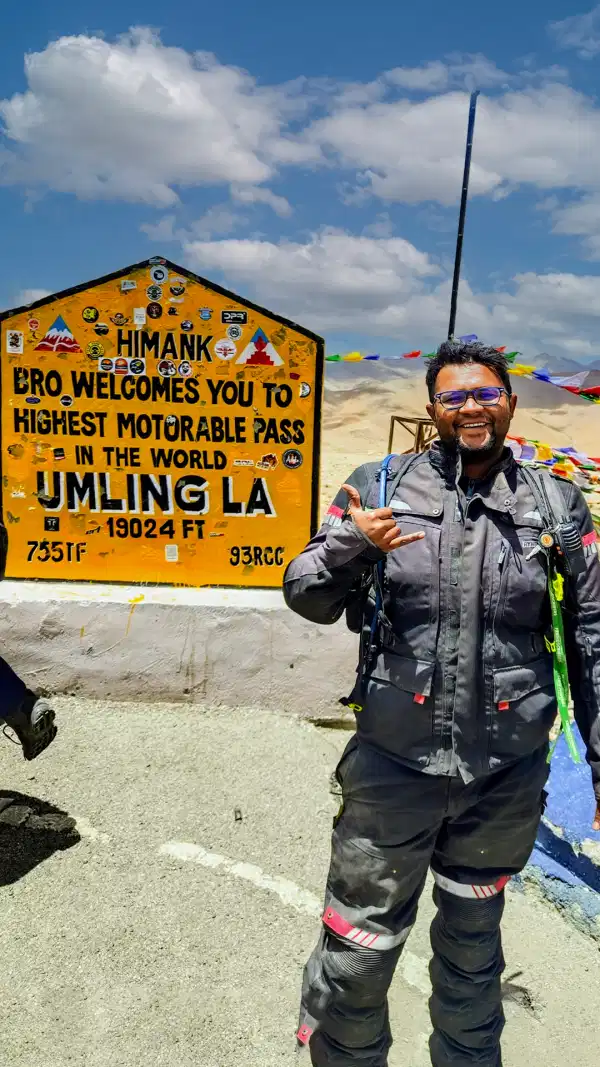
Best Ladakh Bike Trip from Srinagar to Manali | Umling La | Tso Moriri
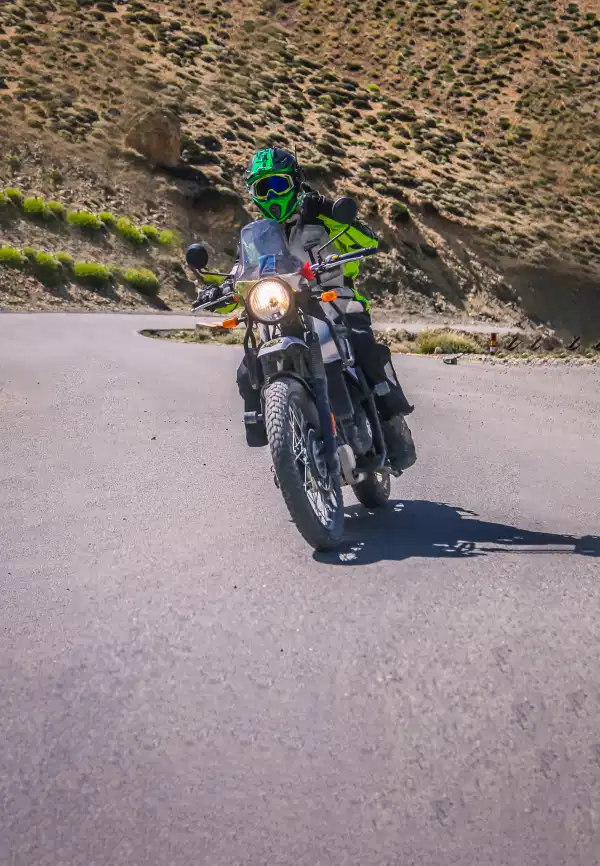
8-Day Leh Ladakh Tour Package with Turtuk and Tso Moriri

11 Days Manali Leh Manali Tour Package with Umling La
How To Reach Ladakh In April?

Reaching Ladakh in April is definitely easier than March, but it’s still not completely straightforward. The region is just coming out of winter, so while flights run regularly, road access depends a lot on weather and snow clearance. Here’s how to reach Ladakh in April:
By Air
Flying into Kushok Bakula Rimpochee Airport is the easiest way to get in during April. You’ll find regular connections from Delhi, Mumbai, Kolkata, Bengaluru, and Srinagar. That said, delays or cancellations can still happen because of strong winds or low visibility, so it’s smart to keep a 1–2 day buffer. Also, since you’re flying straight to high altitude, give your body at least 24–48 hours to acclimatize once you land.
By Road
Ladakh is connected by two highways, but in April, only one is usually relevant.
- The Manali–Leh Highway stays closed through April. High passes like Baralacha La and Tanglang La remain buried under snow, and although the Border Roads Organisation starts clearing work around this time, the route typically opens only by late May or early June. So this route isn’t an option for an April trip.
- The Srinagar–Leh Highway is the only possible road route, and even that usually reopens toward the end of April. Its opening depends on snow clearance at Zoji La Pass. In some years it opens earlier, in others it can get pushed to early May. Even after opening, expect slushy stretches, occasional landslides, and temporary closures if there’s fresh snowfall. It’s important to confirm the road status before you plan to travel.
Srinagar–Leh route:
Srinagar → Sonamarg → Zoji La → Drass → Kargil → Mulbekh → Namika La → Fotu La → Lamayuru → Khalatse → Nimmu → Leh
Manali–Leh route (closed in April):
Manali → Atal Tunnel → Sissu → Keylong → Jispa → Baralacha La → Sarchu → Gata Loops → Naki La → Lachalung La → More Plains → Tanglang La → Upshi → Karu → Leh
Are Roads Open In Ladakh In April?
Manali–Leh Highway:
Manali–Leh Highway is completely closed through March due to heavy snowfall at high passes like Rohtang, Baralacha La, and Tanglang La. It usually opens around May, but that always depends on how quickly the snow is cleared.
Srinagar–Leh Highway:
This route may start opening after mid-March, but it’s not guaranteed. The stretch across Zoji La is highly weather-dependent, and fresh snowfall can shut the road again without much notice. Always check the latest status before planning.
Roads within Ladakh:
Once you reach Leh, most internal routes are generally accessible, but conditions can change quickly depending on weather.
- Leh → Khardung La →Nubra Valley: Usually open, though heavy snowfall can cause temporary closures.
- Leh → Chang La → Pangong Tso: Often accessible, but expect icy patches and strong winds. Closures can happen after fresh snow.
- Leh → Chumathang → Tso Moriri: The most unpredictable route—access can be inconsistent due to snow and extreme weather conditions.
Places To Visit In Ladakh In April
1. Leh Palace

Leh Palace offers some of the most rewarding views in April. As the snow slowly retreats from the valley and the spring light starts softening the landscape, the entire region looks more alive and layered. Exploring the palace becomes much more comfortable compared to peak winter, thanks to milder afternoons and longer daylight hours. It’s a place where you’ll want to slow down, especially during sunrise or sunset when the light hits the mountains just right. It is surely one of the best places to visit in Ladakh in April.
Timings: 7 AM - 7 PM
2. Shanti Stupa

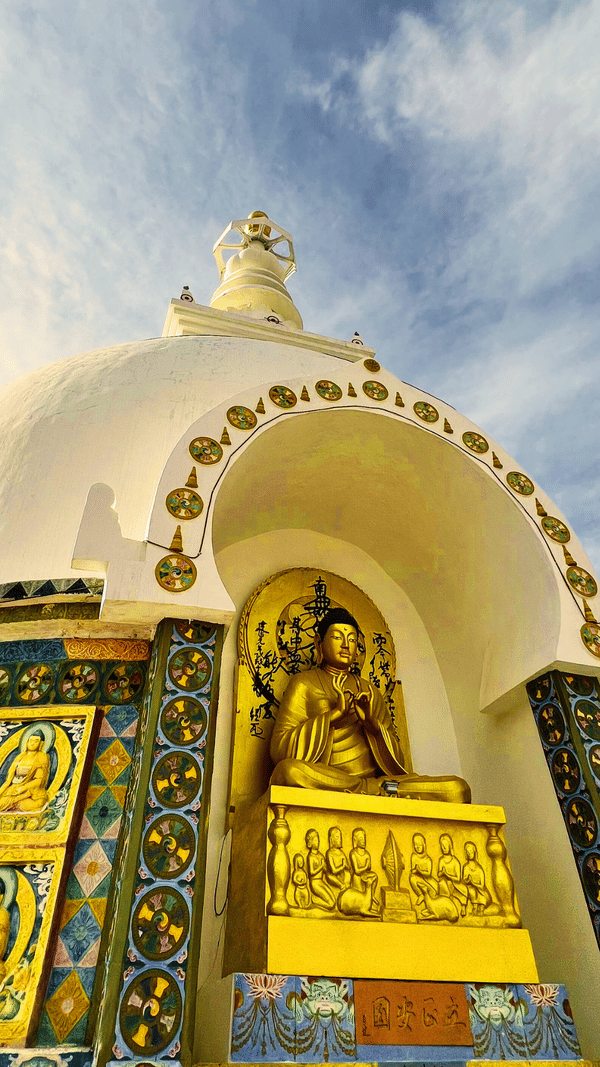
Shanti Stupa is easily one of the most peaceful spots to visit in April. The short uphill walk feels far more manageable with slightly warmer temperatures and once you reach the top you’re rewarded with sweeping views of Leh town. Early signs of spring start appearing in the valley below, adding contrast to the otherwise stark landscape. The golden hour here is especially beautiful and worth planning your visit around.
Timings: 8 AM - 8 PM
3. Leh Market

By April, Leh Market slowly comes back to life after the winter lull. Shops and cafés begin reopening and the streets feel lively again without the usual peak-season rush. It’s the kind of place where you can take your time, browse through traditional Ladakhi handicrafts, pick up pashmina shawls and try local snacks without feeling hurried.
You’ll also start seeing fresh apricot products such as dried apricots, oils, and jams just coming into season. And in between all the exploring, the small tea houses here are perfect for a quick stop to warm up and just soak in the pace of the town.
Timings: 9:30 AM - 8 PM
Location: 5H7P+M6C, Leh, 194101
4. Thiksey Monastery

With snow still clinging to the peaks behind it, Thiksey Monastery feels even more dramatic in April. The mornings aren’t as biting anymore, so making it to the 6 AM prayer ceremony is actually doable and worth it. Inside, there’s this quiet, almost meditative stillness that pulls you in, while just outside, the Indus Valley stretches out wide and crystal clear. The early spring light softens everything a bit, the stark white walls, the prayer flags in motion, giving the whole place a gentle, almost glowing warmth.
Timings: 7 AM - 7 PM
Location: Thiksey, Ladakh 194201
5. Hemis Monastery

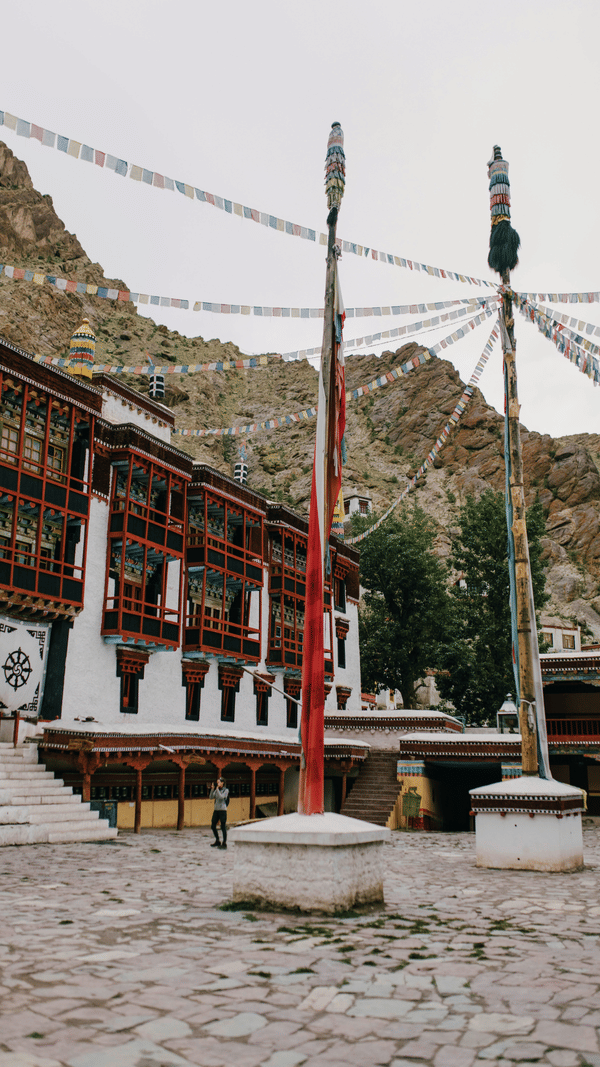
Hemis Monastery, one of the largest monasteries in Ladakh, feels quieter and more personal in April. With fewer tourists around, you can take your time exploring the assembly halls, thangkas, and intricate artwork. The surrounding mountains still hold on to winter snow, but the air feels less harsh, making the overall experience more comfortable. The clear skies also make it a great spot for photography.
Timings: 8 AM - 6 PM
Location: Hemis 194201
6. Sankar Monastery

Sankar Monastery is a quieter alternative to the more visited monasteries around Leh. Located just a short distance away, it’s easy to reach, and the walk feels far more pleasant in April’s milder conditions. The setting is simple but peaceful, with snow-covered hills in the background and the first hints of spring starting to show. It’s a good place if you’re looking for something less crowded and more reflective.
Timings: 7 AM - 10 AM and 5 PM - 7 PM
Location: Sankar Gompa, Leh, 194101
7. Gurudwara Pathar Sahib

Just off the Leh–Srinagar highway, Gurudwara Pathar Sahib is an easy stop, but one that stays with you. By April, the roads around Leh are in much better shape, so getting here feels less like an effort and more like a smooth detour. There’s a quiet, grounding energy to the place, and knowing the story behind it adds a deeper sense of meaning. And then there’s the langar which is simple, warm, and exactly what you need in the lingering chill.
Timings: 4:15 AM - 8:30 PM
Location: 59RG+M8F, NH 1, Phey, 194107
8. Magnetic Hill

Magnetic Hill is known for its unusual optical illusion, where vehicles appear to roll uphill on their own. In April, the clearer weather and improved visibility make the surrounding landscape stand out more sharply. It’s a quick stop, but a fun one, especially with the Zanskar Range forming a dramatic backdrop.
Timings: 8 AM - 5 PM
Location: 194107
9. Nubra Valley

With Khardung La usually open by April, Nubra Valley becomes more accessible again. The landscape here begins transitioning into spring, snow slowly retreats from lower areas while the sand dunes of Hunder stand out against still-white peaks. Streams start flowing more actively, and Bactrian camel rides are available, making it a great mix of winter beauty and early spring energy.
Location: 194401
10. Pangong Lake

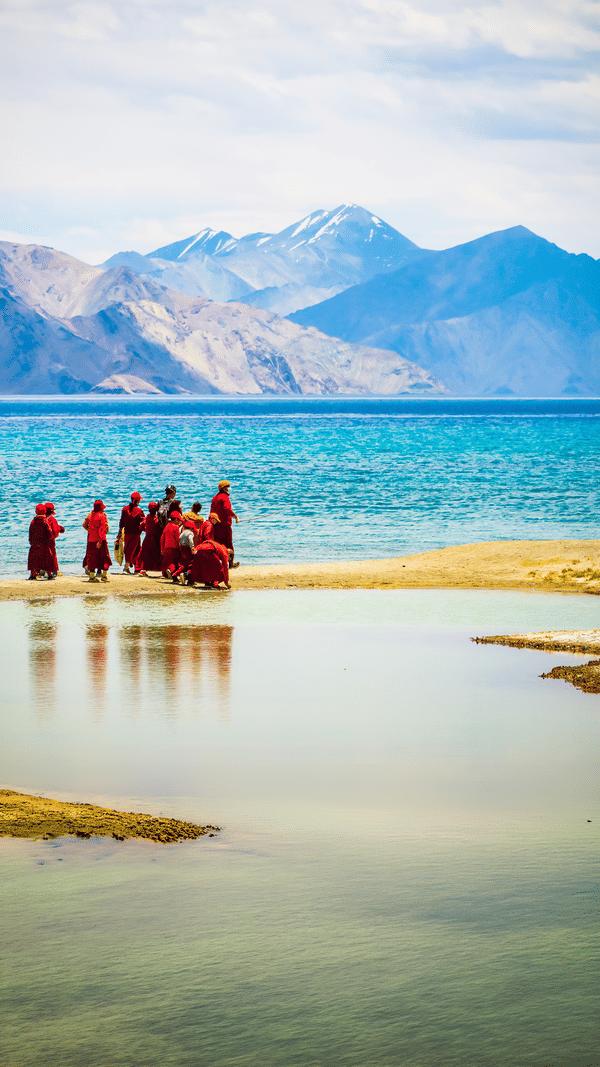
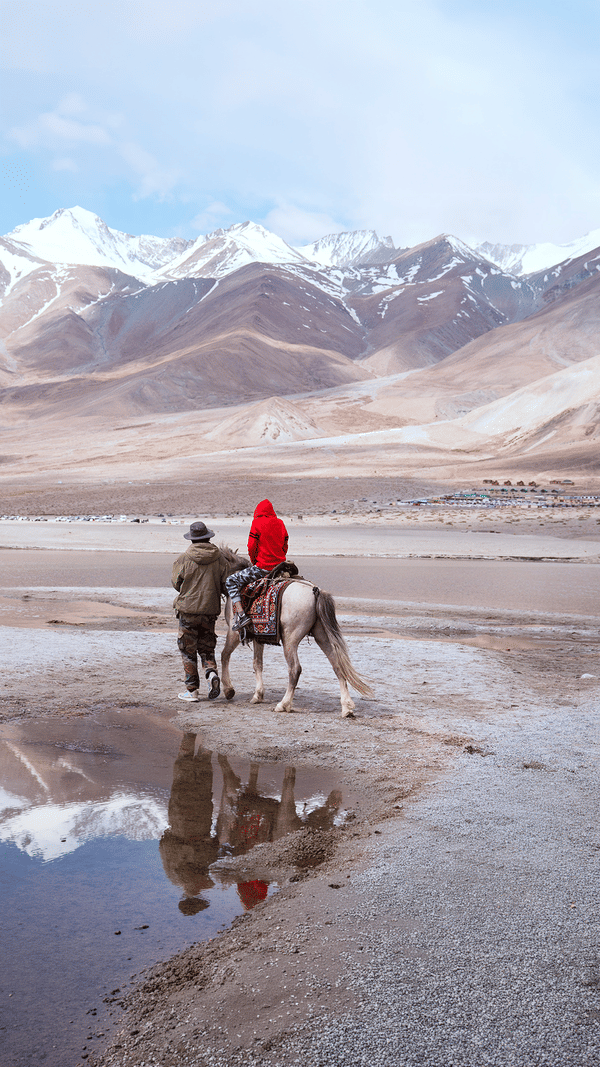
April is one of the most unique times to visit Pangong Lake. Pangong Lake in April is in a transitional phase, with large sections of ice beginning to crack and melt revealing deep blue water underneath. This half-frozen state creates a completely different visual compared to summer. With Chang La generally open, the journey becomes more feasible, and the experience feels far more raw and untouched.
Location: Eastern Ladakh, India
11. Sham Valley and Nearby Locations

April is the only time when Ladakh sees a burst of color. Villages around Alchi, Likir, and the broader Indus Valley come alive with apricot and almond blossoms. Soft pink and white flowers spread across orchards, creating a striking contrast against barren mountains and clear blue skies. It’s a short-lived phase but easily one of the most beautiful and unique experiences in Ladakh.
Amazing Ladakh Trip Packages
11 Days Value Edition Ladakh Tour: Srinagar to Manali with Umling La
Manali to Srinagar Ladakh Trip with Umling La & Nubra Valley - Pocket Saver
11 Days Manali Leh Umling La Manali - Value Saver Escape
8 Days Thrilling Leh Ladakh Tour Package with Umling La
Things To Do In April In Ladakh
1. Witness Apricot Blossoms

April is when Ladakh truly surprises you. Villages around Sham Valley, Alchi, and Likir are covered in soft pink and white blossoms. Unlike March, when the bloom is just starting, April is when the Apricot Blossom Festival it’s at its peak. The contrast of delicate flowers against barren brown mountains and bright blue skies feels almost unreal, making it one of the best things to do in April in Ladakh . It’s a short window, though. By early May, most of it is gone.
2. Explore Monasteries Without the Crowds

Since April is still off-season, monasteries in Ladakh feel quieter and far more personal. You can attend early morning prayers at Thiksey Monastery, spend time admiring the artwork at Hemis Monastery, or visit Diskit Gompa in Nubra without the usual rush. Even places like Lamayuru feel more accessible and less crowded, and the slightly warmer afternoons make it easier to just sit and take it all in.
3. Catch the Frozen-to-Thawing Lakes

April is one of the few times you’ll see lakes like Pangong Tso and Tso Moriri in transition. The ice starts cracking, revealing deep blue water underneath. It’s not the usual turquoise you see in summer, it’s something far more raw and dramatic. Early to mid-April is the best time to catch this phase before the thaw speeds up.
4. Wildlife Spotting and Migratory Birds

As Ladakh begins to warm up, wildlife activity increases. The Black-necked crane starts returning to areas like Tso Moriri and Hanle while bar-headed geese and Brahminy ducks appear near water bodies. In Hemis National Park you might spot blue sheep or ibex along the ridges. Snow leopards are less likely now, but overall, the region feels more alive.
5. Short Hikes and Day Treks Around Leh

With slightly warmer days and longer daylight hours, April is a good time for easy hikes. Walk up to Shanti Stupa, head to Tsemo Castle above Leh Palace or explore nearby villages like Stok and Sabu. The Sham Valley trek also opens up around this time and is perfect if you want a light beginner-friendly trek through villages and monasteries.
6. Experience Local Festivals

If your timing lines up with Buddha Purnima April takes on a quieter kind of magic. Monasteries celebrate the occasion with prayer ceremonies, rows of glowing butter lamps and small community gatherings. It’s not the grand and tourist-heavy celebration you’d see in peak season, these moments feel more personal and more rooted in everyday Ladakhi life.
7. Drive Through Opening Mountain Passes

High passes like Khardung La and Chang La are usually open by April, making trips to Nubra and Pangong possible. The drives are especially scenic this time, snow walls on the sides, melting streams below, and landscapes slowly shifting from winter to spring. If the Srinagar route opens, the drive via Zoji La is equally dramatic.
8. Stargaze Under Clear Skies

April nights are cold, but the skies are incredibly clear. With minimal light pollution and dry air, Ladakh becomes one of the best places in India for stargazing. Around Hanle Village, home to the Indian Astronomical Observatory, the night sky is especially stunning. Even without equipment, you can see the Milky Way and countless stars.
9. Try Authentic Ladakhi Cuisine

As cafés and homestays reopen, it’s a great time to try local food in Ladakh. Warm dishes like thukpa and momos feel perfect in the cold evenings, while butter tea (gur gur chai) helps with both warmth and altitude. Don’t miss skyu, a hearty local stew. April also brings fresh apricot products back into local markets.
10. Slow Down and Take It In

April in Ladakh isn’t about rushing. Some roads take longer, some places are still waking up, and the pace of life is naturally slower. But that’s the beauty of it. You get time to sit at a monastery, walk through blossoming orchards, or just take in the silence of a place that’s slowly coming back to life after winter.
What To Pack For Ladakh In April?

If you are looking for a Ladakh April packing list, here are all the packing tips for Ladakh in April for your trip to Leh Ladakh. April is warmer than March but nights remain freezing and high-altitude passes stay extremely cold, so layering is still essential.
Clothing
- Insulated down jacket (medium-heavy, hooded)
- Thermal base layers (top & bottom); wool or merino preferred
- Fleece jacket or pullover for daytime layering
- Light waterproof windproof shell
- Gloves - one insulated waterproof pair for passes, one lighter pair for Leh daytime
- Woolen socks (2–3 pairs) and extra inner socks
- Winter hat / beanie covering ears
- Scarf or neck gaiter for wind protection
- Trekking pants with thermal leggings for layering
- Sturdy trekking or hiking boots with good grip
- Light sweater or long-sleeve shirt
Travel Accessories
- Sunglasses with high-altitude UV protection
- Sunscreen SPF 50+
- Lip balm with SPF
- Reusable water bottle / thermos
- Backpack with waterproof cover
- Walking sticks or trekking poles for hikes
Gear & Electronics
- Camera / smartphone
- Extra batteries and power banks
- Headlamp / flashlight with extra batteries
- Travel adapter / chargers
- Binoculars for birdwatching
Health & Safety Essentials
- Personal medicines
- First aid kit: band-aids, antiseptic, painkillers, blister care
- Hand warmers / foot warmers
- Moisturiser and hand cream
- Water purification tablets or small filter
Documents & Money
- ID proofs (passport, Aadhaar, driving licence)
- Inner Line Permit (ILP)
- Cash in smaller denominations
- Travel insurance
Thrilling Ladakh Tour Packages

10 Days Delhi to Ladakh Road Trip | Manali - Leh - Srinagar

8 Days Ladakh Road Trip: Challenge yourself in Zanskar

7 Days Ladakh Road Trip With Thang & Siachen

Leh Ladakh Family Trip – A Perfect Blend of Adventure & Togetherness
Tips To Visit In Ladakh In April

- Acclimatize first
Give your body time to adjust. Spend the first 24–48 hours in Leh doing as little as possible. It’s the most effective way to reduce the risk of Acute Mountain Sickness.
- Check road and weather updates daily
Roads in March can open and close quickly due to fresh snowfall. Keep an eye on updates from the Border Roads Organisation, especially if you’re planning to travel on highways or cross high passes.
- Dress in proper layers
March is still peak winter in many parts of Ladakh, with night temperatures dropping to -10°C to -20°C. Layer up with thermals, fleece, insulated jackets, and a windproof outer layer so you can adjust through the day.
- Carry all essentials
Don’t rely too much on availability. Keep enough cash, your permits, personal medication, and a basic first aid kit with you at all times.
- Protect yourself from both sun and cold
The sun at high altitude can be harsh even when it’s freezing. Carry good sunglasses, high SPF sunscreen, and lip balm to avoid sunburn and dryness.
- Respect local customs
When visiting monasteries or gurudwaras, keep things low-key. Dress modestly, remove your shoes where required, and be mindful of the environment.
- Stay flexible
Plans can change quickly in March. Roads may close, weather can shift, and delays happen. Keep a couple of buffer days so your trip doesn’t feel rushed or stressful.
Ladakh In April - An Unmatched Experience
Visiting Ladakh in April feels like catching the region in a rare in-between moment, when winter hasn’t fully left, but spring is slowly starting to take over. You’ll see apricot blossoms softening the landscape, frozen lakes beginning to crack open into deep blue and high passes gradually becoming accessible again. There’s a quietness to it all, monasteries feel more peaceful, roads are less crowded and the entire experience feels more personal.
It’s a side of Ladakh most people miss, because it exists only for a short window before peak season begins. And if you want to experience it without worrying about the logistics, traveling with WanderOn lets you focus on what really matters.
Frequently Asked Questions
Is April a good time to visit Ladakh?
Yes, Ladakh in April is great for peaceful travel. Leh Ladakh in April offers snow landscapes, fewer tourists, and unique views. Ladakh weather in April remains cold, but the beauty is unmatched. If you enjoy offbeat travel, a Ladakh trip in April is highly rewarding.
Which roads open in Ladakh in April?
During Ladakh in April, Manali-Leh highway stays closed due to snow. However, the Srinagar-Leh Highway is open but it is highly dependent on the weather conditions. The best way for how to reach Ladakh in April is via flights. Internal roads to Nubra Valley and Pangong Lake in April may open depending on Ladakh weather in April and snow conditions.
Packing tips for Ladakh in April?
For Ladakh in April, pack thermals, heavy jackets, gloves, and woolens as Ladakh temperature in April remains low. Include sunscreen, sunglasses, and moisturizers for harsh Ladakh weather in April. Good shoes are essential. Proper layering ensures comfort throughout your Leh Ladakh in April trip.
Ladakh permits April 2026?
For the Ladakh trip in April 2026, Inner Line Permits are required for Pangong Lake in April and Nubra Valley. You can apply online or in Leh. Permits are compulsory even when Ladakh in April has fewer crowds. Carry ID proof and multiple copies during your Leh Ladakh in April journey.
Is there Snow in april in ladakh?
Yes, Ladakh in April experiences snow, especially at higher altitudes. Pangong Lake in April is often frozen, and Ladakh temperature in April stays cold. Leh begins to thaw slowly, but most regions still reflect winter beauty, making Leh Ladakh in April a snowy and scenic destination.


