


If you want to see Spiti covered in snow but can't handle the extreme winter cold, April is the perfect time for you. While most of India is starting to get hot, Spiti in April feels like a magical winter world.
Since the Manali route remains buried under snow, your only gateway is the legendary Hindustan-Tibet Highway via Shimla. A trip to Spiti Valley in April is great because there are almost no crowds.
You can visit the world’s highest post office in Hikkim without waiting in line and witness the valley’s ancient monasteries in their rawest, most spiritual state. You’ll experience authentic homestays, see massive snow-walls (as high as a house!), partly frozen rivers and absolute dark skies with the best "Milky Way” views in April.
Explore our curated Spiti packages designed specifically for the unique challenges of Spiti for an ultimate escape.
If you're ready for the "Big Thaw," here’s everything you need to know while planning your Spiti Valley trip in April.
Spiti In April 2026: Quick Snapshot

- Route Access: Shimla-Kinnaur route only (Manali-Kaza route closed until May/June)
- Temperature: 5°C to 12°C (days) and -5°C to -15°C (nights)
- Landscape: Heavy snow on peaks; partial brown valleys and frozen waterfalls
- Crowds: Low/Off-season (Perfect for solitude and photography)
- Stays: Homestays are primary; many hotels remain shut.
- Toilets: Mostly traditional Dry Compost Toilets (pipes still frozen)
- Best for: Milky Way Core photography, Snow Leopard spotting, and high-altitude villages (Hikkim/Komic)
- Network: BSNL Postpaid (Reliable) but Airtel/Jio (mostly dead after Peo)
Check out our Spiti Valley Packages

Spiti Valley - Bliss in Budget with Sangla Holi Celebration

Spiti Valley Group Adventure | Exclusive Himalayan Escape
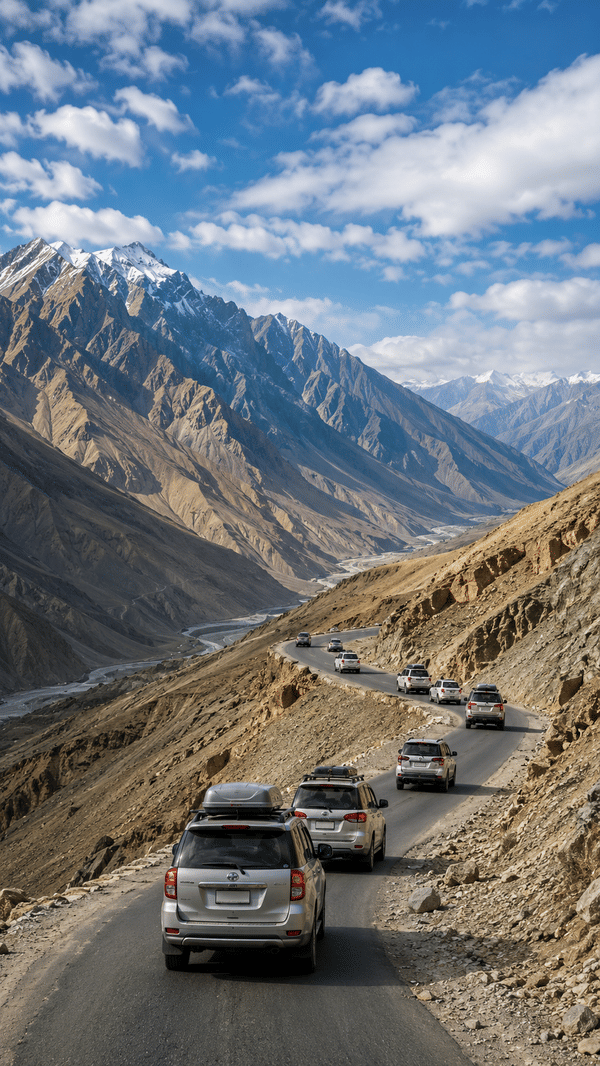
Full Spiti Valley Circuit Group Tour From Delhi: Shimla To Manali

Spiti Valley Tour From Manali: Chandratal Camping & Kibber Wildlife
Why Visit Spiti In April?

April in Spiti is the "Great Awakening”. It’s a rare window where the brutal Siberian-style winter subsides, but the brown, dusty summer hasn't yet taken over. You get a stark, high-contrast landscape: blinding white peaks against deep blue skies, with the Spiti River beginning to crack through its icy shell. The Spiti Valley temperature in April remains a challenge, but the views make it worth it.
It’s the perfect time for a trip to Spiti Valley in April for travelers who want the "Winter Spiti" aesthetic, frozen waterfalls and snow-covered monasteries, especially in the first week of April, without the life-threatening -30°C temperatures of January. It’s raw, quiet, and feels like you’ve caught the valley in a private moment before the tourist surge during the best time to visit Spiti in May-June.
Weather in Spiti Valley in April:
- Daytime: 5°C to 12°C (Comfortable in the sun, but the wind remains biting)
- Nighttime:-5°C to -15°C (Still freezing; heavy woolens and heaters are mandatory)
- Conditions: Mostly clear skies, though sudden 1 - 2 day snow spells are common
The Pros:
- The "White" Aesthetic: This is one of the top reasons to visit Spiti Valley in April. You see the valley draped in snow, offering better photography than the barren brown of summer.
- Stargazing Paradise: Pre-summer air is incredibly thin and clear; the Milky Way core is visible in the early hours.
- Wildlife Window: One of the last months to spot Snow Leopards and Ibex at lower altitudes before they retreat to higher peaks. Check out our guide on Spiti in February for the best wildlife sightings.
- Solitude: No traffic jams at Chicham Bridge or crowds at Key Monastery; you’ll mostly meet locals and a few hardcore travelers.
- Cheaper Stays: Homestays are eager for guests; you can often negotiate better rates than in peak June/July.
The Cons:
- No Chandratal Lake: The road to the lake is buried under snow; don't let anyone convince you otherwise.
- Dry Toilets: Running water is rare as pipes are often still frozen; expect "dry compost toilets" and bucket baths.
- Limited Food: Most cafes in Kaza remain closed; you’ll be eating local dal-chawal and thukpa at your homestay.
- Route Lock: You can only enter/exit via Shimla. The Manali-Kaza road is a no-go.
- Physical Toll: The air is very dry and thin; the risk of AMS (Altitude Sickness) is high if you rush the climb.
How To Reach Spiti In April?

On your Spiti Valley trip in April, you must follow the Shimla-Kinnaur route. This path is not only the most reliable during the spring thaw but also the safest way to let your body adjust to the staggering change in altitude.
The Shimla-Kinnaur Route: The Only Reliable Entry
In April, you must enter and exit via the Hindustan-Tibet Highway (NH-5) via Shimla. This route is a gradual climb that follows the river valleys, making it the only path clear of massive snow blockages early in the year. This route is famously known as one of the most treacherous yet beautiful roads in the world.
- The Path: Delhi/Chandigarh → Shimla → Narkanda → Sangla/Chitkul → Kalpa → Nako → Tabo → Kaza
- Distance: Approx. 450 km from Shimla to Kaza
- Travel Time: 2 to 3-day journey one way. Rushing this route in April is dangerous due to potential black ice and the need for gradual acclimatization.
If starting from Chandigarh, check out our comprehensive guide on theChandigarh to Spiti Valley road trip for detailed distances and pitstop recommendations.
The Manali-Kaza Route (Closed): Do not trust GPS if it suggests the route via Manali and Rohtang/Atal Tunnel. While you can reach Keylong via the tunnel, the Kunzum Pass (15,060 ft), the gateway from Manali to Spiti, is strictly closed until late May or June. There is no physical way to cross into Spiti from the Manali side in April.
Which Vehicle To Choose For Spiti In April?
April roads are a mix of dry asphalt, slushy mud, and "black ice" (invisible frozen patches).
- Best Choice: 4x4 SUV (Thar, Jimny, Fortuner). Highly recommended for the "Maling Nala" and "Khab" stretches where melting snow can make the road incredibly slippery.
- Solid Alternative: High Clearance 2WD (Scorpio, Bolero, Innova). These work well as long as you have a skilled mountain driver. Ground clearance is more critical than 4WD on 90% of the route.
- The "No-Go" List: Avoid hatchbacks and sedans. The unpaved, slushy sections will likely cause underbody damage or get you stuck in the mud.
- Biking: Only for expert riders. Expect "Black Ice" (invisible frozen patches) in the early mornings and late evenings.
Public Transport (The Budget Way)
If you aren't driving, the Himachal Road Transport Corporation (HRTC) is your best bet, though services are subject to weather.
- HRTC Bus Service: Take the morning bus from Shimla to Reckong Peo (Approx. 9–10 hours).
- Stay overnight in Reckong Peo or Kalpa
- Catch the 7:00 AM bus from Reckong Peo to Kaza
- Shared Taxis: Available from the Shimla New ISBT or Reckong Peo bus stand. A seat usually costs between ₹1,200 - ₹2,000 depending on the vehicle and demand.
Best Places To Visit In Spiti In April
In April, the "Middle Land" emerges from its frozen shell, offering a rare glimpse of monasteries and high-altitude villages draped in pristine, receding snow. Explore these beautiful places to visit in Spiti in April when the snow slowly starts to melt.
1. Key Monastery (Kye Gompa)

Key Monastery is the heart of Spiti. Perched at 13,668 ft, its white-washed, tiered architecture looks like a dream against the April snow. This month is special because the monks who spend winter in the plains return, filling the halls with the sound of morning chants and long horns. You’ll get that iconic "fortress in the clouds" photo without the dozens of tourist vehicles that clutter the view in June.
- Location: 15 km from Kaza
- Timings: 6:00 AM – 6:00 PM (Lamas are most active during morning prayers)
- Entry Fee: Free (It is customary to leave a small donation in the prayer hall.)
2. The "High Circuit" Villages (Langza, Hikkim, & Komic)

In April, the drive to these three villages is half the fun; you’ll likely pass through high "snow walls" cut by the BRO. It’s a 15 - 20 km uphill from Kaza and is usually done as a single day-loop.
- Langza: Features a massive 1,000-year-old Golden Buddha statue. It’s the "fossil village"; you can find prehistoric marine fossils here from the ancient Tethys Sea.
- Hikkim: Home to the World’s Highest Post Office. It officially wakes up in April; you can post a letter to yourself here, but expect a 3-week delay for it to reach the plains! (Post-office timings: 10:00 AM – 4:00 PM (Monday to Friday)
- Komic: One of the highest inhabited villages in Asia (15,027 ft). Visit the Tangyud Monastery here, which is shaped like a fort.
3. Tabo Monastery & Meditation Caves

Known as the "Ajanta of the Himalayas," Tabo is a UNESCO World Heritage site and over 1,000 years old. While most of Spiti is about high cliffs,Tabo Monasterysits on the valley floor. In April, the climate here is milder than Kaza. Be sure to hike up to the meditation caves carved into the hills above the village; they offer a panoramic view of the Spiti River awakening from winter.
- Location: 48 km before Kaza (if coming from Shimla)
- Timings: 6:00 AM – 7:00 PM
- Entry Fee: Free (Photography is prohibited inside the main mud temples)
4. Pin Valley National Park (Mudh Village)

While the best time for wildlife sightings in Pin Valley National Parkends in March, you can still get lucky to find some in April. As the snow begins to melt near the riverbeds, Himalayan Ibex and the elusive Snow Leopard often descend to lower altitudes in search of water and prey, however, the chances are low after the first week of April.
Mudh, the last village in the valley, offers a stark, "end-of-the-world" aesthetic with its whitewashed houses set against purple-hued mountains.
- Location:~50 km from Kaza (via Attargo Bridge)
- Timings: Best explored during daylight (Sunrise to Sunset)
- Entry Fee: Free (Permits required for foreign nationals at Kaza)
5. Dhankar Monastery & Fort

Perched precariously on a cliff overlooking the confluence of the Spiti and Pin Rivers, Dhankar Monastery is a masterpiece of survival. In April, the view of the semi-frozen rivers below is breathtaking. Note that while the monastery is accessible, the trek to Dhankar Lake can still be quite slushy or snow-covered.
- Location: 32 km from Kaza
- Timings: 6:30 AM – 5:00 PM
- Entry Fee/Cost: Approx. ₹25 - ₹50 (Local maintenance fee)
6. Chicham Bridge

Chicham Bridge is Asia's highest suspension bridge, spanning a massive 1,000 ft deep gorge and one of the must-visit spots on your Spiti Valley trip in April. During this time, the bridge is often framed by icicles hanging from the gorge walls. It’s the highest point on the road to the village of Chicham and offers a "stomach-drop" view that is both terrifying and beautiful.
- Location: 5 km beyond Kibber Village
- Timings: Open 24*7
- Entry Fee: Free
7. Gue Village

Gue is one of the underrated places to visit in Spiti and its most mysterious spot. It houses the naturally preserved mummy of a 15th-century monk (Sangha Tenzin), which was found in 1975 after an earthquake and the Gue Monastery. In April, the road to Gue is usually clear, and because it’s so close to the border, the stark, quiet landscape feels incredibly isolated and mystical.
- Location: A 12 km detour from the Sumdo Checkpost
- Timings: 9:00 AM – 5:00 PM
- Entry Fee: Free
Top Things To Do In Spiti In April

When planning your itinerary for Spiti Valley in April, make sure to prioritize these unique seasonal activities. Explore some of the best things to do in Spiti in April before the summer thaw.
1. Spot The Elusive Snow Leopard In Kibber
April is one of the final months of the year to spot the elusive Snow Leopard in Spiti Valley. As the winter snow lingers on the ridges, these cats stay at lower altitudes near villages to hunt Ibex and Blue Sheep. Even if the "Ghost" remains hidden, you’ll witness incredible high-altitude wildlife activity that vanishes once the summer crowds arrive.
- Best for: Wildlife enthusiasts and patient photographers
- Location: Kibber Wildlife Sanctuary and Pin Valley
- Cost: Free for self-exploration; ₹2,000 – ₹5,000 for a professional local spotter.
- Pro-Tip: Head to Chicham Bridge early at dawn; the deep gorge is a natural corridor for leopards moving between hunting grounds.
2. Send A Letter From The World’s Highest Postoffice

The Hikkim Post Office sits at 14,440 ft and typically resumes its legendary operations in April as the snow thins. Walking through the narrow, white lanes of Hikkim to mail a postcard is one of the best things to do in Spiti in April.
At this time, the postmaster isn't overwhelmed by the summer rush, often giving you a chance to hear stories of how mail travels on foot when the roads are blocked.
- Best for: Nostalgic travelers and "bucket-list" collectors
- Location: Hikkim Village (16 km from Kaza)
- Cost: Minimal (Price of stamps and postcards)
- Pro-Tip: Buy your postcards in Kaza beforehand, as the tiny village office often runs out of stock early in the season.
3. Hunt Fossils In Prehistoric Fossil Village
Before the summer dust covers the valley, the melting snow in Langza unearths prehistoric marine fossils (Ammonites) from the Tethys Sea. You can find these "Shaligrams", dating back millions of years, by simply walking along the stream beds or scanning the mounds near the giant Buddha statue.
- Best for: History buffs, kids, and curious hikers
- Location: Langza Village (The "Fossil Village")
- Cost: Free
- Pro-Tip: It is illegal to take these fossils out of the valley; find them, photograph them, and leave them for the next traveler to discover.
4. Enjoy Stargazing Under Clearest Night Skies

April offers the crispest, clearest night skies of the year in Spiti Valley because the air is bone-dry and free of summer haze. The Milky Way core begins to rise in the early morning hours (around 2:30 AM), appearing so bright it feels like you can touch it.
With zero light pollution, even a basic smartphone can capture the constellations here. When drafting your itinerary for Spiti Valley in April, it is essential to plan for at least one overnight stay just for stargazing. Explore these tips on stargazing in Spiti Valley for the best experiences.
- Best for: Astrophotographers and night-sky dreamers
- Location: Langza, Komic, or Kibber (Away from Kaza’s streetlights)
- Cost: Free
- Pro-Tip: Use a "Star Tracker" app and set an alarm for 3:00 AM to see the galaxy core rise directly behind the Langza Buddha statue.
5. Experience Living In A Traditional Homestay
In April, many large hotels in Kaza remain closed due to frozen pipes, making traditional homestays the only (and best) option. You’ll spend your evenings huddled around a Bukhari (wood-fired heater), helping the family make Momos or Thukpa. It is the most authentic way to understand the resilience and warmth of Spitian culture.
- Best for: Cultural immersion and travelers seeking depth over luxury
- Location: Best in smaller villages like Demul, Dhankar, or Mudh
- Cost:₹1,200 – ₹2,000 per night (includes all meals)
- Pro-Tip: Bring a small gift like good quality loose-leaf tea or solar lights; it’s a deeply appreciated gesture in these remote homes.
6. Hike To The Semi-Frozen Dhankar Lake

If you are well-acclimated, the trek to Dhankar Lake is a surreal April adventure. The lake is often still partially frozen, looking like a giant cracked mirror reflecting the 20,000 ft peaks. The 1.5-hour climb offers a breathtaking bird’s-eye view of the confluence where the Spiti and Pin rivers meet. Just check the latest status if it’s good for hiking at your time of travel before planning.
- Best for: Fit travelers and landscape photographers
- Location: Starts from behind the New Dhankar Monastery
- Cost: Free
- Pro-Tip: The trail is steep and can be slushy in April; use trekking poles and ensure you have finished the hike before the afternoon winds pick up.
Top Events And Festivals In Spiti In April 2026

While many major "masked dance" festivals occur in February, April is the month of spiritual re-awakening and agrarian preparation. Have a look at the major events or festivals held in Spiti in April.
1. Monastery Re-entry & Daily Chanting
April marks the return of many senior lamas from their winter stay in the warmer plains. This makes the daily "Choral Prayers" at Key and Tabo Monasteries particularly powerful. Unlike the crowded festival days, you can sit quietly in the prayer halls and experience the vibration of the long horns (Dungchen) and drums in total peace.
- Timing: Usually between 7:00 AM – 9:00 AM
- Key Detail: The "Morning Puja" at Key Monastery is arguably the most spiritual experience you can have in Spiti.
2. Baisakhi Local Mela
Celebrated on April 14, 2026 in lower Spiti and Kinnaru regions, this Baisakhi marks the official end of winter and the beginning of the new year in the local calendar. During a harvest festival in the plains, here it is celebrated as a "Spring Welcome”.
It’s one of the locally celebratedfestivals in Spitiwhere small fairs (Melas) pop up in places like Reckong Peo and Tabo, where you can buy local handicrafts and taste authentic Siddu (steamed buns) and Thukpa.
- What to expect: Community feasts, traditional group dances, and locals wearing their finest new woollen clothes
- Pro Tip: Look for "Melas" (fairs) in villages like Tabo and Sangla if you are driving up from Shimla.
3. Thon-Thon Festival (The Winter Farewell)
This is a hyper-local community festival specifically celebrated in April to mark the end of the harsh, isolated winter months. It’s a time for "Samudayik Milan" (community gathering) where families from different hamlets meet to share food and local barley wine (Chhaang).
- What to expect: Traditional folk music and a very warm, hospitable atmosphere where travelers are often invited to join the circle.
- Location: Smaller villages around Kaza and Pin Valley
Pro-Tips For Visiting Spiti In April

April in Spiti is the "Big Thaw." You are entering a zone where winter infrastructure is still waking up, meaning your success depends on self-sufficiency and respecting the mountain's rules. Follow these travel tips forSpiti Valley in Aprilfor a hassle-free journey.
1. Acclimatization & Health (AMS)
Moving from sea level to 12,500 ft in days is a massive strain on the heart and lungs. Stop for a mandatory night at Kalpa or Reckong Peo to bridge the altitude gap; drink 4 liters of water daily and carry Diamox (consult a doctor) to manage the thin air.
2. Vehicle & Expert Driving
Only use a High Clearance SUV (4x4 preferred) to navigate melting snow sludge and "shooting stones" in Kinnaur. If you aren't an expert in mountain "Black Ice" conditions, hire a local driver as April roads are unpredictable and can freeze into invisible glass traps by sunset.
3. Layered Packing & Sun Protection
The Spiti Valley temperature in April swings from 15°C in the sun to -10°C at night; pack a 3-layer system including heavy thermals, fleece, and a windproof down jacket. The April sun reflecting off white snow is brutal, so Polarized Sunglasses and SPF 50+ are non-negotiable to prevent snow blindness.
4. Cash, Fuel & Maintenance
The Kaza ATM and Petrol Pump are notoriously unreliable and often run dry or lose power in the off-season. Carry full liquid cash and extra fuel in jerry cans from Reckong Peo, and ensure your vehicle has a fresh battery and anti-freeze coolant before starting.
5. Connectivity & Battery Life
Expect a near-total digital blackout; only BSNL Postpaid has a fighting chance in Kaza, while others will "ghost" you. Intense cold drains electronics 3x faster, so carry two 20,000mAh power banks and keep them inside your inner jacket pockets to keep the cells warm and functional.
6. The Dry Toilet Reality
Running water is rare in April because most pipes are still frozen or burst. Be prepared to use traditional dry compost toilets (pit style) and carry your own supply of wet wipes, hand sanitizer, and biodegradable toilet paper. Read our detailed guide on Spiti Valley road trips for more essential tips.
Planning Your Spiti Trip In April: Key Takeaway
April is the month for travelers who value the white desert aesthetic and cultural depth over comfort and ease. By entering through the Shimla route, you bypass the blocked passes and witness a version of Spiti that few ever see where the monasteries are silent and the landscape is raw.
Ready to see the white desert before it turns brown? Head to Spiti in April!
Book a seamless journey with WanderOn today to come back with a suitcase full of magical memories from the Middle Land!
Frequently Asked Questions
Is it good to visit Spiti in April?
Visiting Spiti in April is excellent for those seeking the White Spiti aesthetic without peak winter's extreme cold. It’s a peaceful transition period with fewer crowds and clear skies, though you must handle sub-zero nights and basic homestay facilities with dry toilets.
What is the best month to visit Spiti?
The best month depends on your goal: June to September is ideal for complete road circuits and pleasant weather. However, April is the best for travelers wanting snowy landscapes, stargazing, and cultural solitude before the busy summer tourist rush begins.
Is Kaza open in April?
Yes, Kaza remains open and accessible in April, but only via the Shimla-Kinnaur route. While the town is functional, many commercial cafes remain closed, and most visitors stay in local homestays since larger hotels may still be winter-hibernating.
Can I get snow in April?
Absolutely. You will encounter massive snow walls along the highway and a thick white blanket across high-altitude villages like Hikkim and Langza. While lower areas begin to thaw, sudden April snow spells are frequent, keeping the valley’s wintry charm alive.
Can I reach Spiti from Manali in April?
No, the Manali-Kaza road is strictly closed in April due to heavy snow at Kunzum Pass and Rohtang Pass. This route typically remains inaccessible until late May or early June; your only entry point is the Hindustan-Tibet Highway starting from Shimla.
Is the HRTC bus service active in Spiti in April?
Yes, HRTC buses typically run from Reckong Peo to Kaza in April, but they are highly subject to weather. If a sudden snow spell hits the Maling Nala stretch, buses may be canceled for days without notice. Always have a buffer day in your itinerary.
Can I rent a self-drive car for Spiti in April?
Most rental agencies have strict policies against taking their cars beyond Reckong Peo due to the high risk of underbody damage. Additionally, black ice in April requires professional mountain driving skills to avoid skidding off the narrow cliffs, so you must hire an expert driver.


