

Spiti Tourism 2026: Your Ultimate Guide to the Land of Lamas
Request a Callback
Spiti Tourism 2026: Your Ultimate Guide to the Land of Lamas
Enquire Now
Overview
Places To Visit
Adventure Activities
Places To Eat
Places To Shop
Spiti Tourism: What You Need to Know Before Going
- Location: Lahaul and Spiti District, Himachal Pradesh
- Main Town: Kaza the valley's commercial and logistical hub
- Average Elevation: 3,800 to 4,500 metres (12,500 to 14,500 ft)
- Language: Spiti dialect (Bhoti), Hindi, and basic English
- Currency: INR. Carry enough cash - ATMs exist mainly in Kaza and frequently run dry
- Mobile Connectivity: BSNL and Jio work best, but reliable signal is largely limited to Kaza
- Permits: Not required for Indian nationals. Foreign nationals need a Protected Area Permit (PAP)
- Nearest Airport: Bhuntar Airport (KUU), Kullu - approximately 250 km from Kaza
- Nearest Railway Stations: Shimla (SML) and Chandigarh (CDG)
Best Time to Visit Spiti Valley Travel Guide
- Summer (June to September): Both the Manali-Kaza and Shimla-Kaza routes are fully open. Weather is stable, homestays are running, and the valley is at its most accessible. July–August are peak months, expect company at the monasteries. First two weeks of June or late September give you the same conditions with noticeably fewer people. For most first-timers, this remains the best time to visit Spiti Valley.
- Autumn (October): Crowds thin fast, light gets better, and the hillsides turn a deep rust-gold. The tradeoff - the Manali-Kaza route typically closes by mid-October. Go early in the month, and always have a backup plan for the return.
- Winter (November to May): Temperatures drop to -25°C or lower, the Manali route shuts completely, and only the Shimla-Kaza road remains open. Most travelers shouldn't attempt this season for Spiti tourism. Those who do find a Spiti Valley in winter that's snow-locked, deeply isolated, and unlike anything in peak season, but it demands serious preparation and a dependable local guide.
How to Reach Spiti
- There's no flying in or taking a train. Every route into Spiti is by road, and the drive itself is part of the experience. Two routes get you there, and which one you take matters. Here's a breakdown of how to reach Spiti Valley:
- The Shimla Route (420–450 km): Open year-round and follows the Hindustan-Tibet Highway through Kinnaur. The gradual climb makes it the better choice for acclimatization, your body gets time to adjust before you hit the higher altitudes. For anyone new to Spiti Valley tourism, this is the recommended entry point. Most people break the journey overnight at Reckong Peo or Kalpa, arriving in Kaza on day two.
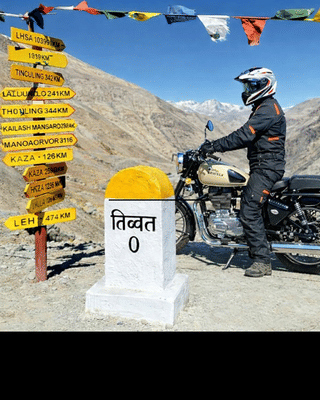
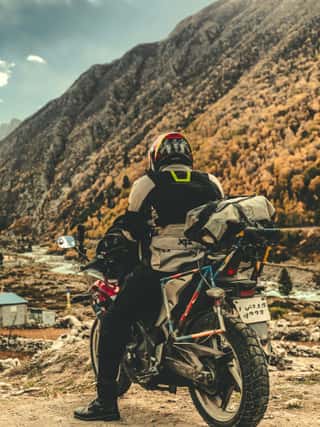
- The Manali Route (approx. 200 km): Shorter, faster, and considerably more dramatic. The road crosses Rohtang Pass (or Atal Tunnel) and Kunzum La, with sections pushing past 4,500 metres. Only open June to mid-October, and a firm favourite for those planning to book Spiti bike tour packages.
- Getting Around: HRTC buses connect the major towns and are reliable enough for budget travelers. Private taxis and self-drive vehicles give you more control, which matters when landslides or weather cause unexpected delays — and they will, at some point.
- One practical approach worth considering: enter via Shimla for the gentler ascent and exit via Manali for the high-pass drama. You get both landscapes without doubling back, and your body handles the altitude better for it.
Altitude, Acclimatization, and the Mistake Most First-Timers Make
Places to Visit in Spiti Valley
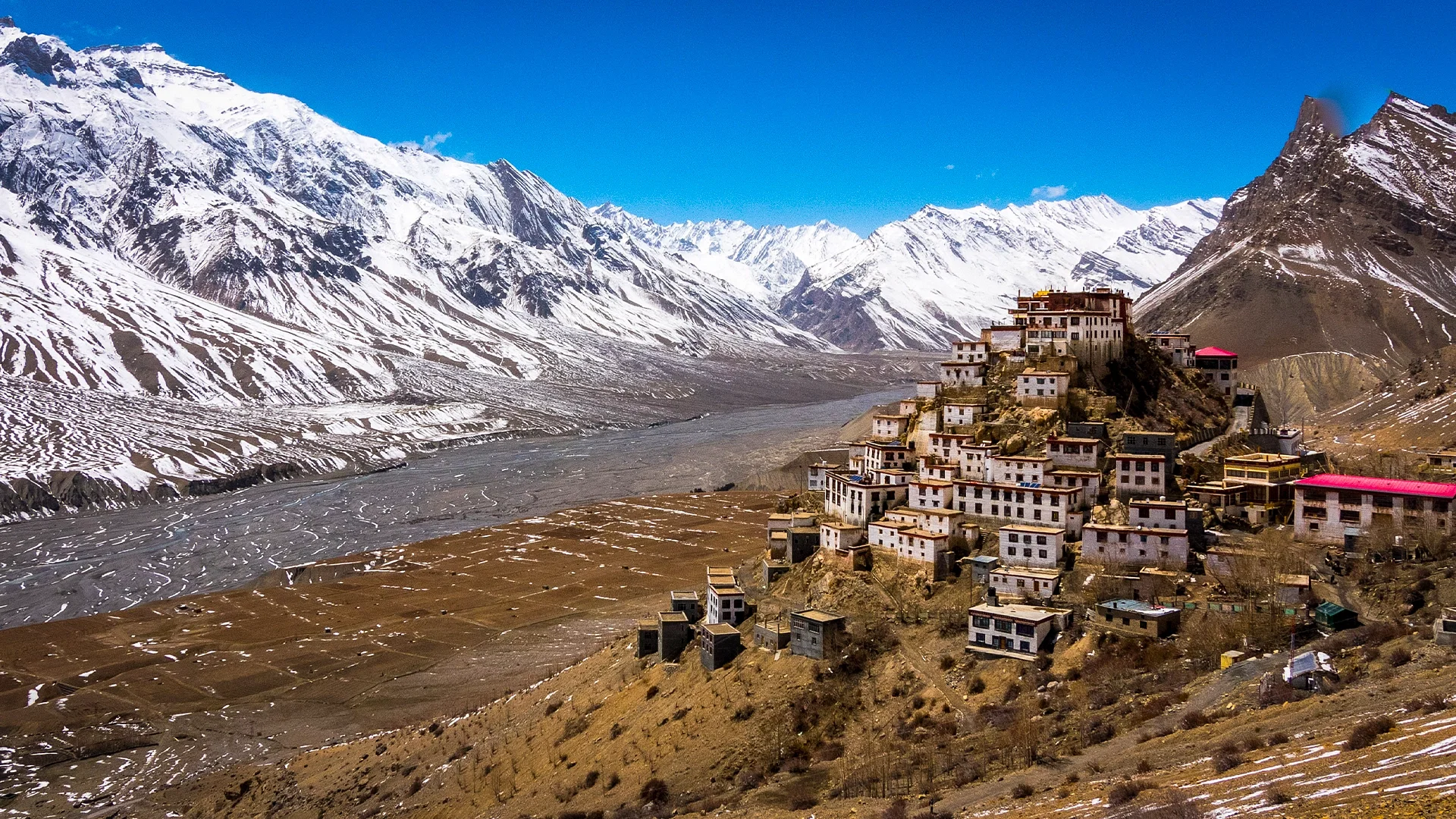
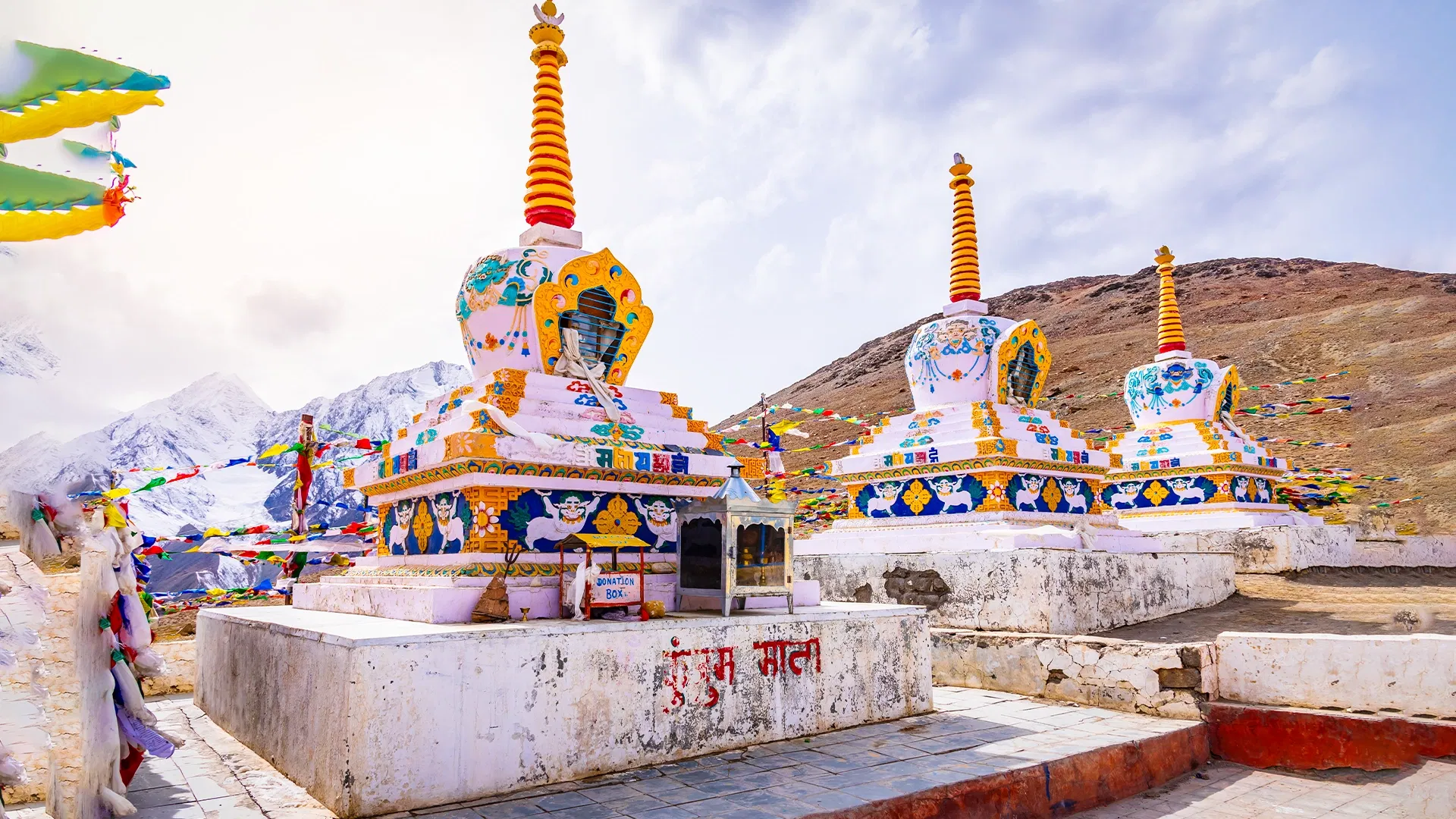
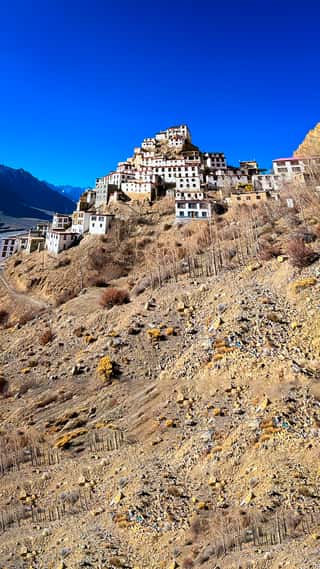
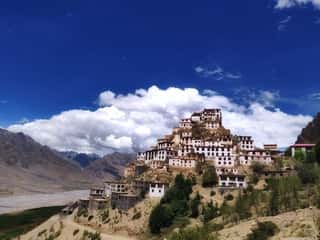
- 1. Key Monastery (Ki Gompa): Built in the 11th century and perched at 4,166 metres above the Spiti River, Key Monastery is the largest monastery in the valley and still functions as an active training centre for lamas, making it one of the most-visited tourist places in Spiti. WanderOn Tip: Ask a resident monk for butter tea, it's a small gesture that often opens up a genuine conversation.
- 2. Dhankar Monastery: Balanced on a crumbling cliff 300 metres above the confluence of the Spiti and Pin rivers, Dhankar was once the capital of the Spiti Kingdom. The ancient murals and Vairochana statue inside have survived centuries in one of the most precarious settings imaginable. WanderOn Tip: The steep trek up to Dhankar Lake takes about an hour and is worth every step.
- 3. Tabo Monastery: Founded in 996 CE, Tabo Monastery is one of the most significant stops in Spiti tourism, often called the Ajanta of the Himalayas, and the comparison holds up. Its assembly hall contains Buddhist murals and stucco sculptures over a thousand years old, currently on UNESCO's World Heritage tentative list. WanderOn Tip: Sit quietly in the assembly hall for a while. The artwork rewards patience.
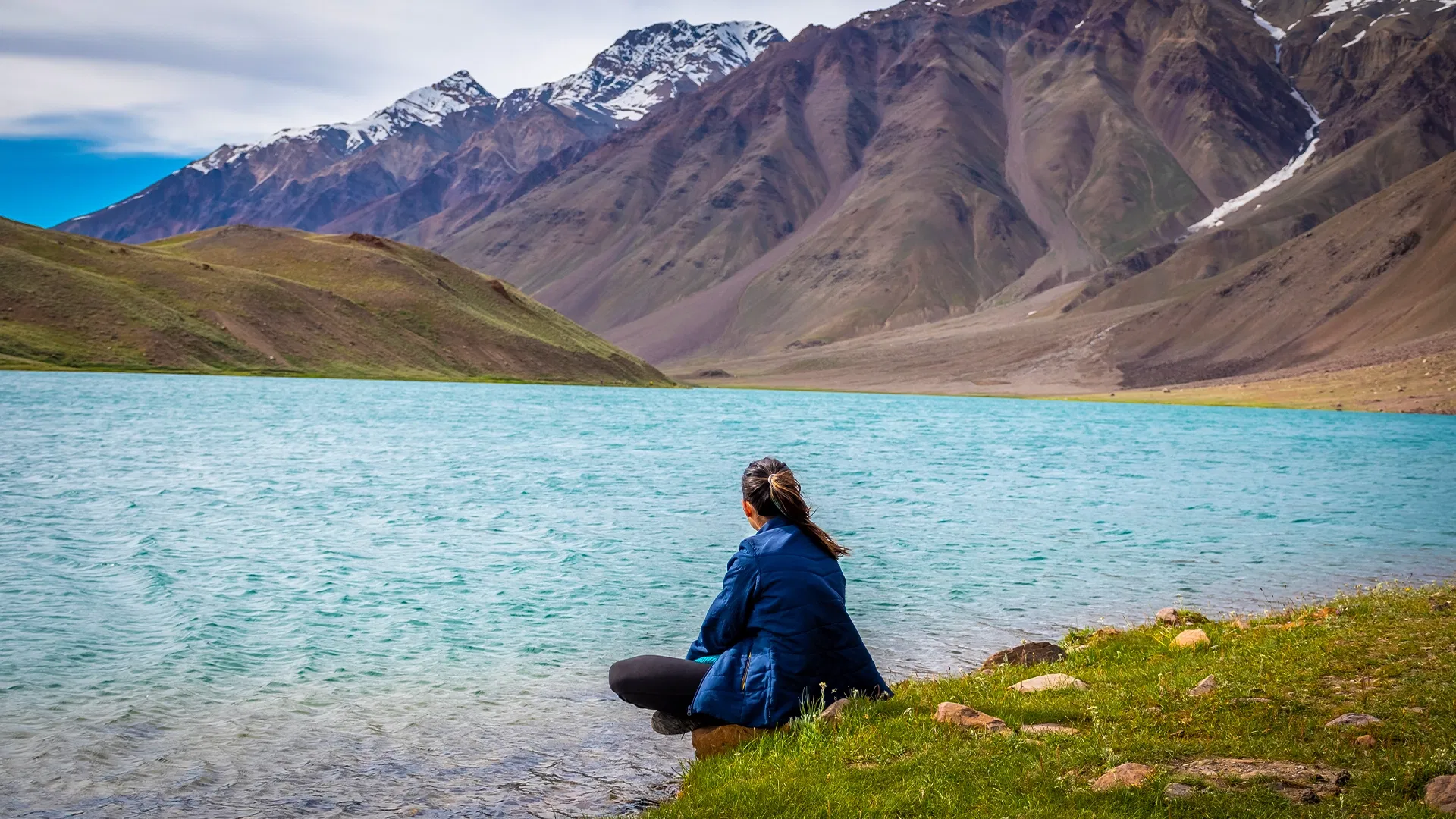
- 4. Chandratal Lake: Crescent-shaped and sitting at 4,300 metres, Chandratal lake reflects the surrounding Himalayan peaks with an almost unsettling clarity. The approach via Kunzum Pass is as striking as the lake itself! Make sure you don’t miss out on one of the most spectacular tourist places in Spiti. WanderOn Tip: Camping is now restricted to designated sites 2–3 km from the lake, plan accordingly.
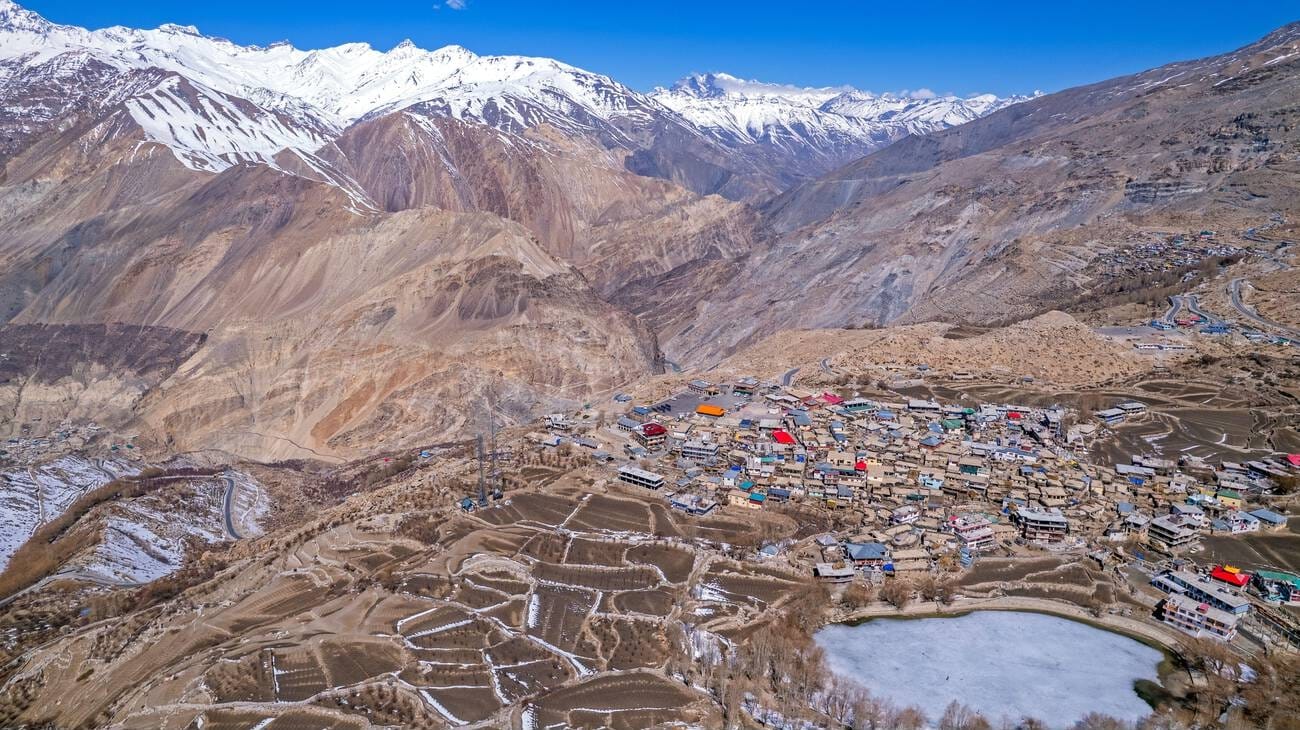
- 5. Langza Village: A giant Buddha statue, sweeping valley views, and a landscape littered with marine fossils from the ancient Tethys Sea - Langza is a small village that consistently leaves a strong impression. WanderOn Tip: Walk the outer edges of the village, ammonite fossils surface in the rocks more often than you'd expect.
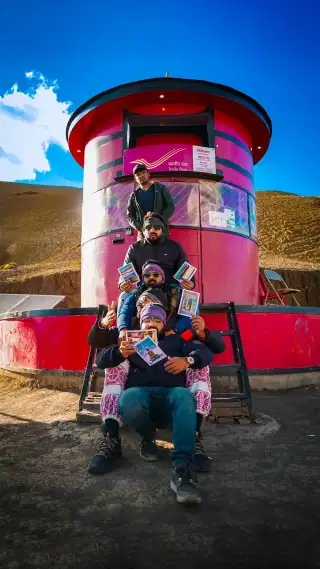
- 6. Hikkim Village: At 4,440 metres, Hikkim is home to the world's highest post office — a small, letterbox-shaped building that has been sending mail since 1983. It's a minor detour that somehow becomes one of the more memorable stops in the valley. WanderOn Tip: Carry your own postcard, supplies at the post office run low during peak season.
- 7. Chicham Bridge: Completed in 2017, this 120-metre suspension bridge at 4,350 metres replaced a rope-and-pulley system that Chicham's 100-odd residents had relied on for decades to cross a 150-metre gorge. WanderOn Tip: Stand at the centre and look straight down, it's not for everyone, but the perspective is unlike anything else in Spiti.
- 8. Pin Valley National Park: Designated a protected reserve in 1987, this 675 sq. km cold desert ecosystem is one of the last viable habitats for the Snow Leopard, with researchers estimating 8–13 individuals within its rocky terrain. WanderOn Tip: Hire a wildlife guide from Mudh village rather than Kaza, they know the specific ridgelines where recent sightings have occurred.
Things to Do in Spiti Valley
- Stargazing and Astrophotography: Minimal light pollution and high altitude make Spiti one of the better places on earth to actually see the Milky Way. Langza, Komic, Chandratal, and Dhankar are the standout spots, on a clear night, the sky is bright enough to cast a shadow.
- Fossil Hunting in Langza: One of the more unexpected experiences in Spiti tourism, Langza sits on what was once the floor of the Tethys Sea, and the evidence is literally underfoot. Ammonite fossils surface regularly in the surrounding terrain. Look, photograph, but leave them, removal is restricted.
- Post a Letter from Hikkim: At 4,440 metres, Hikkim's post office is the highest in the world. Sending a postcard from here is a small thing that somehow feels significant, a tangible proof of where you actually were.
- Stay in a Village Homestay: A night in a traditional homestay in Langza, Komic, or Tabo gives you something a guesthouse in Kaza simply can't, a seat at a local family's table, home-cooked Thukpa, and butter tea made the way it's actually supposed to taste.
- Trek to a High-Altitude Lake: Dhankar Lake is a steep but manageable day hike with payoff well beyond the effort. Chandratal, further out, is in a different category entirely — the reflections alone justify the detour.
- Snow Leopard Safari in Pin Valley: Pin Valley National Park holds one of the last viable Snow Leopard populations in India. Sightings are never guaranteed, but the park also shelters Siberian ibex and blue sheep — and the landscape alone is worth the drive.
- Morning Prayers at a Monastery: Key, Tabo, and Dhankar all welcome respectful visitors to morning prayer sessions. It's quiet, unhurried, and offers a more honest encounter with the valley's Buddhist culture than any guided tour would.
Permits and Documentation for Spiti Tourism
- Indian Nationals: No Inner Line Permit needed for the main Spiti circuit - Kaza, Tabo, Key Monastery and surrounding areas are accessible without one. Carry a valid government-issued photo ID (Aadhaar, Voter ID, or passport) for registration at checkposts like Sumdo.
- Foreign Nationals: A Protected Area Permit (PAP) is mandatory beyond the Jangi checkpost in Kinnaur and for most of Spiti. Apply in person at the District Magistrate's offices in Shimla, Reckong Peo, or Kaza, as of early 2026, there is no online option.
- Documents Required for PAP: Original passport with valid Indian visa, photocopies of both, and passport-sized photographs. Some offices additionally ask for a sponsorship letter from a registered Indian travel agency, worth confirming in advance.
- Vehicle Documents: : If driving your own vehicle, carry the original RC, insurance papers, and a valid PUC certificate. A good Spiti trip guide will also remind you that if you're taking the Manali route, a Rohtang Pass permit may also be required during its operational months.
Spiti Valley Travel Tips: A Preparation Checklist
- Money and Connectivity: Withdraw enough INR cash before entering the valley, ATMs outside Kaza are unreliable. BSNL has the best network coverage, but dead zones are frequent. Download offline maps before you leave Shimla or Manali.
- Health and Safety: Carry a basic medical kit - ibuprofen, ORS, personal medications. Discuss Diamox with a doctor before the trip, not during it. A pulse oximeter is a small but genuinely useful addition at this altitude.
- Clothing and Gear: Even in peak summer, nights get cold. Pack thermals, a fleece mid-layer, and a windproof outer shell. Sturdy trekking shoes, high-SPF sunscreen, and good sunglasses are non-negotiable at this elevation.
- Accommodation: July and August fill up fast, particularly village homestays in Langza, Hikkim, and Komic. Book ahead if you have specific places in mind.
- Solo Female Travelers: Spiti is considered one of India's safer remote destinations. Safety here is less about crime and more about being prepared for altitude and road conditions far from urban infrastructure. Read the WanderOn blog's guide on solo female travel in Spiti for more detail.
- Responsible Travel: Pack out everything you bring in, carry a reusable water bottle, and avoid single-use plastics. In a place this ecologically fragile, it genuinely matters.
7Days Sample Itinerary for Spiti Via Delhi
- Sample 10-Day Spiti Valley Itinerary (Delhi to Delhi)
- Day 0: Board an overnight Volvo from Delhi to Shimla in the evening, you'll arrive fresh enough to move quickly the next morning.
- Day 1: Transfer to Chitkul, the last inhabited village on the Indo-Tibet border. The drive takes 9–10 hours covering roughly 220 km, but the Baspa Valley views make it feel worthwhile. Overnight in Chitkul or Sangla.
- Day 2: Spend the morning exploring Chitkul before heading to Kalpa (approx. 80 km, 6–7 hours). Kalpa sits directly across from the Kinner Kailash range, the evening views from here are hard to forget. Overnight in Kalpa.
- Day 3: The longest drive of the trip, 220 km through Nako, Tabo, and the Ka Loops into Kaza (8–9 hours). The road demands patience, but the landscape through this stretch is some of the most dramatic in the valley. Overnight in Kaza.
- Day 4: A full day covering Key Monastery, Chicham Bridge, and the high-altitude villages of Hikkim, Komic, and Langza. Each stop is different enough to justify the effort. Back to Kaza for the night.
- Day 5: Early departure for Chandratal. The lake at dusk or dawn is worth planning around — stay overnight at the designated camping area near the lake.
- Day 6: Drive out to Manali via the Kunzum and Rohtang passes (approx. 95 km, 5–6 hours). Spend the evening doing a slow crawl through Old Manali's cafes — a deliberate decompression after days at altitude. Overnight in Manali.
- Day 7: Free day to explore Manali at your own pace before boarding an overnight departure back to Delhi.
- Day 8: Arrive Delhi by morning (510 km, 10–11 hours).
Is a Spiti Valley Trip Worth It?
Places To Visit
Chandratal Lake
Key Monastery
Kunzum Pass
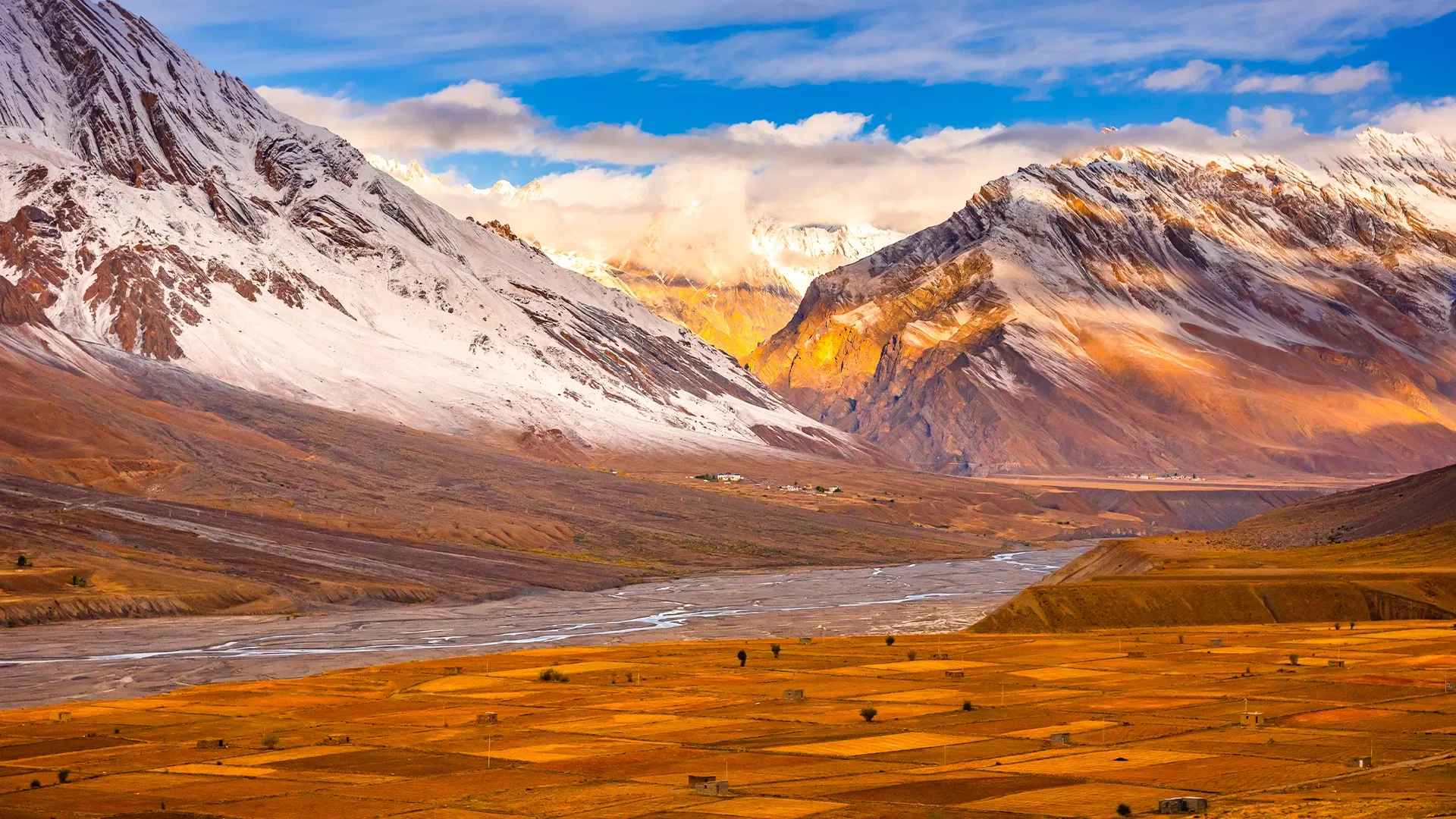
Pin Valley National Park
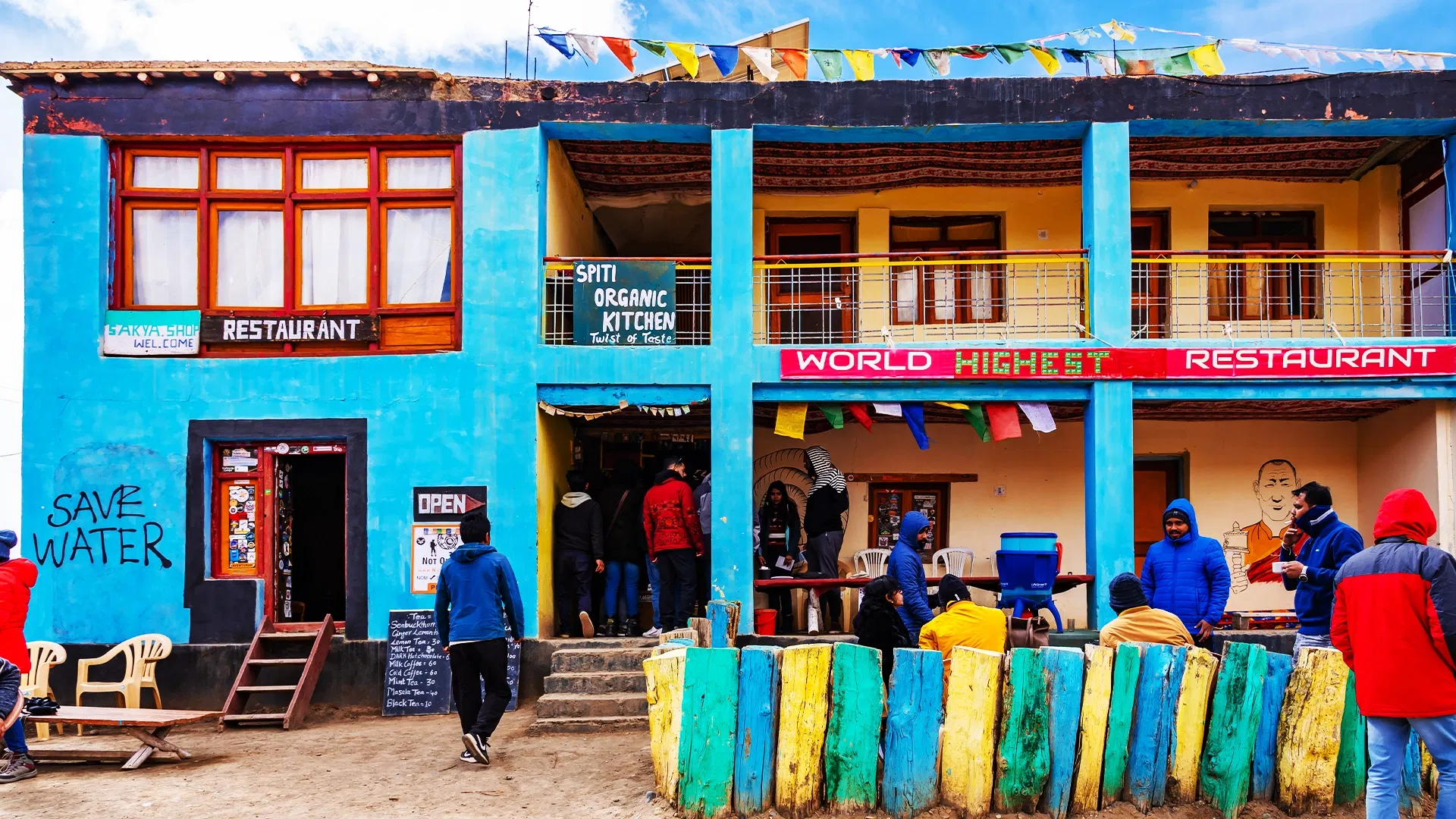
Komic Village
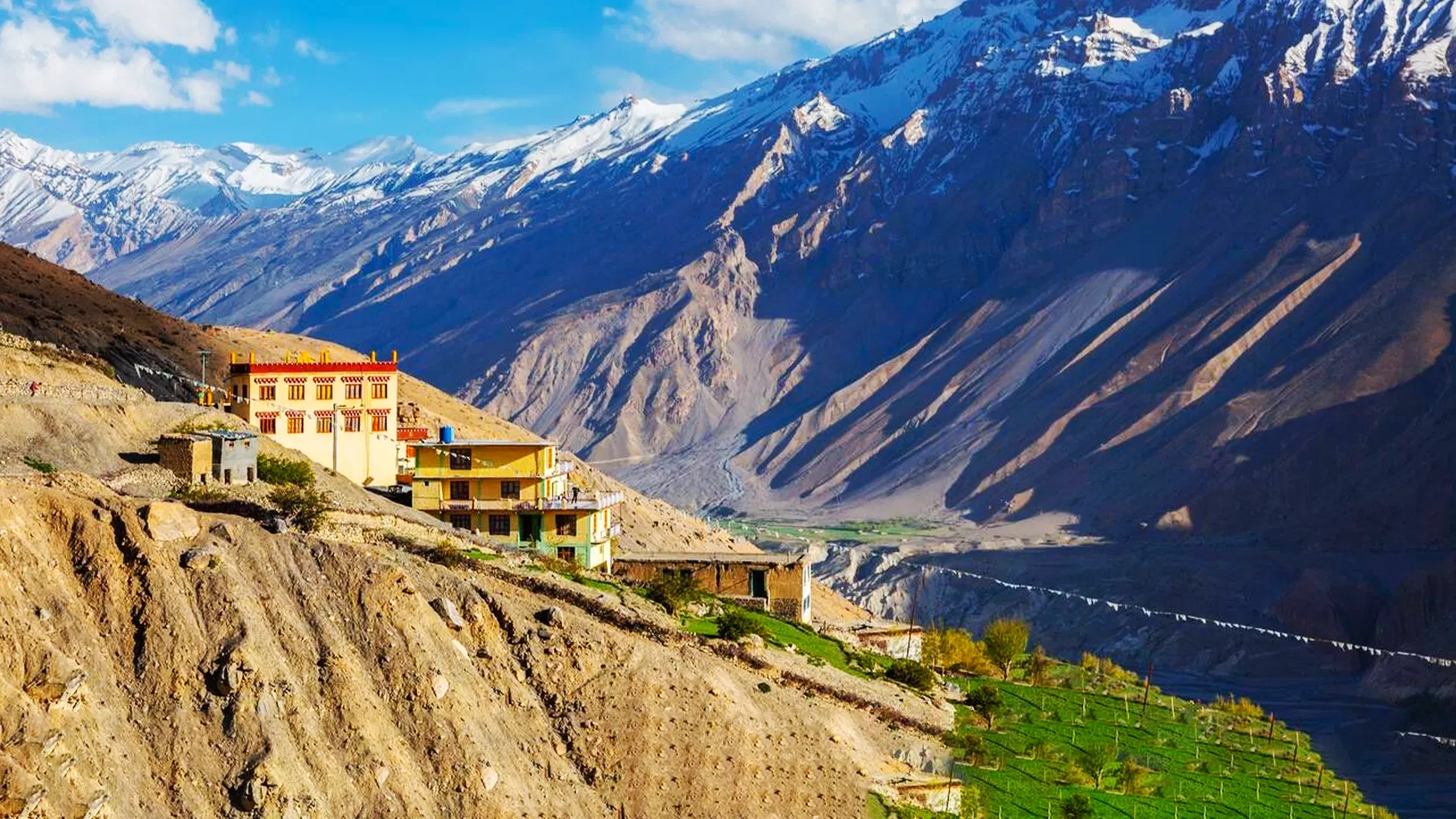
Dhankar Monastery
Adventure Activities
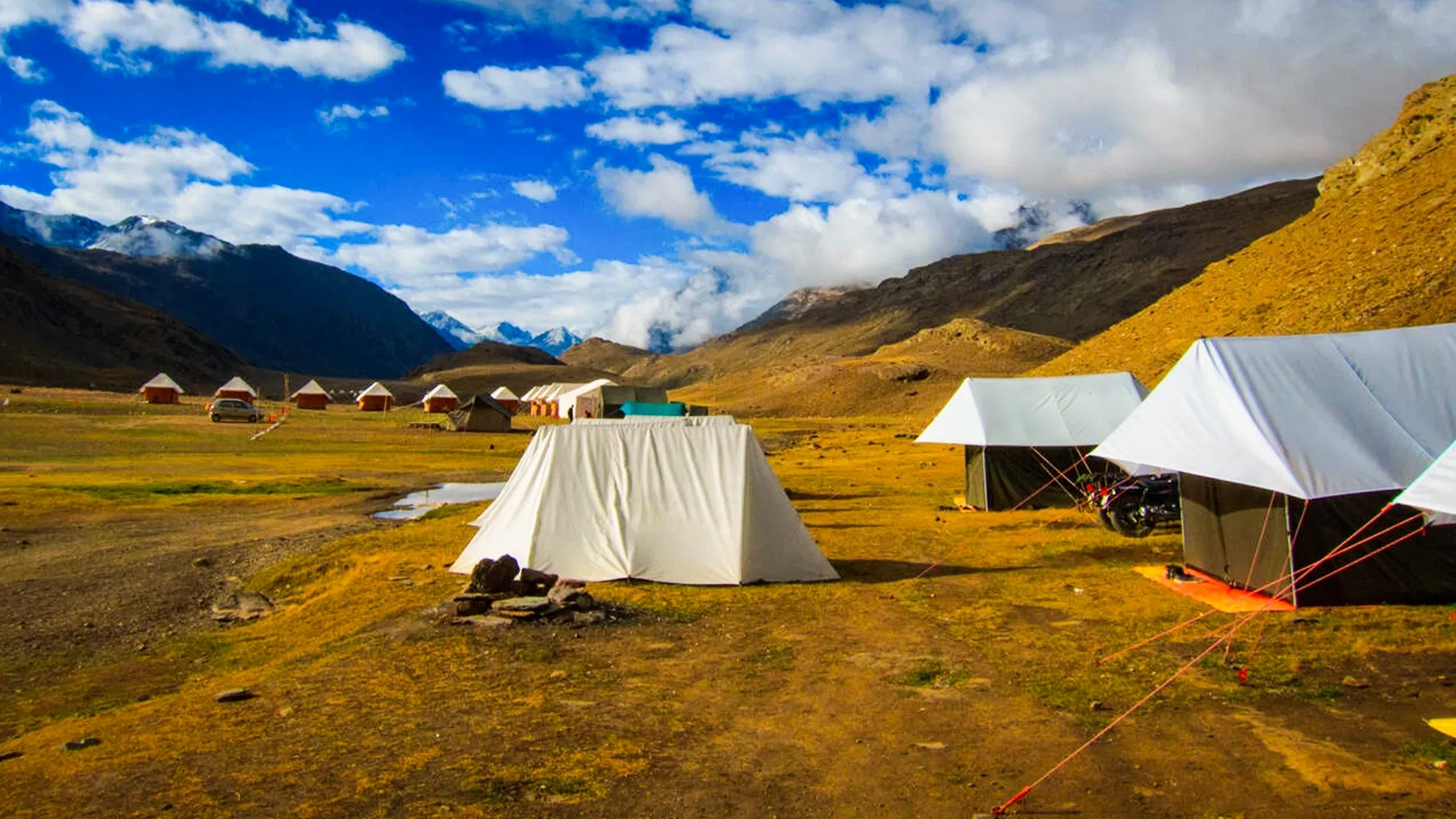
Camping at Chandratal
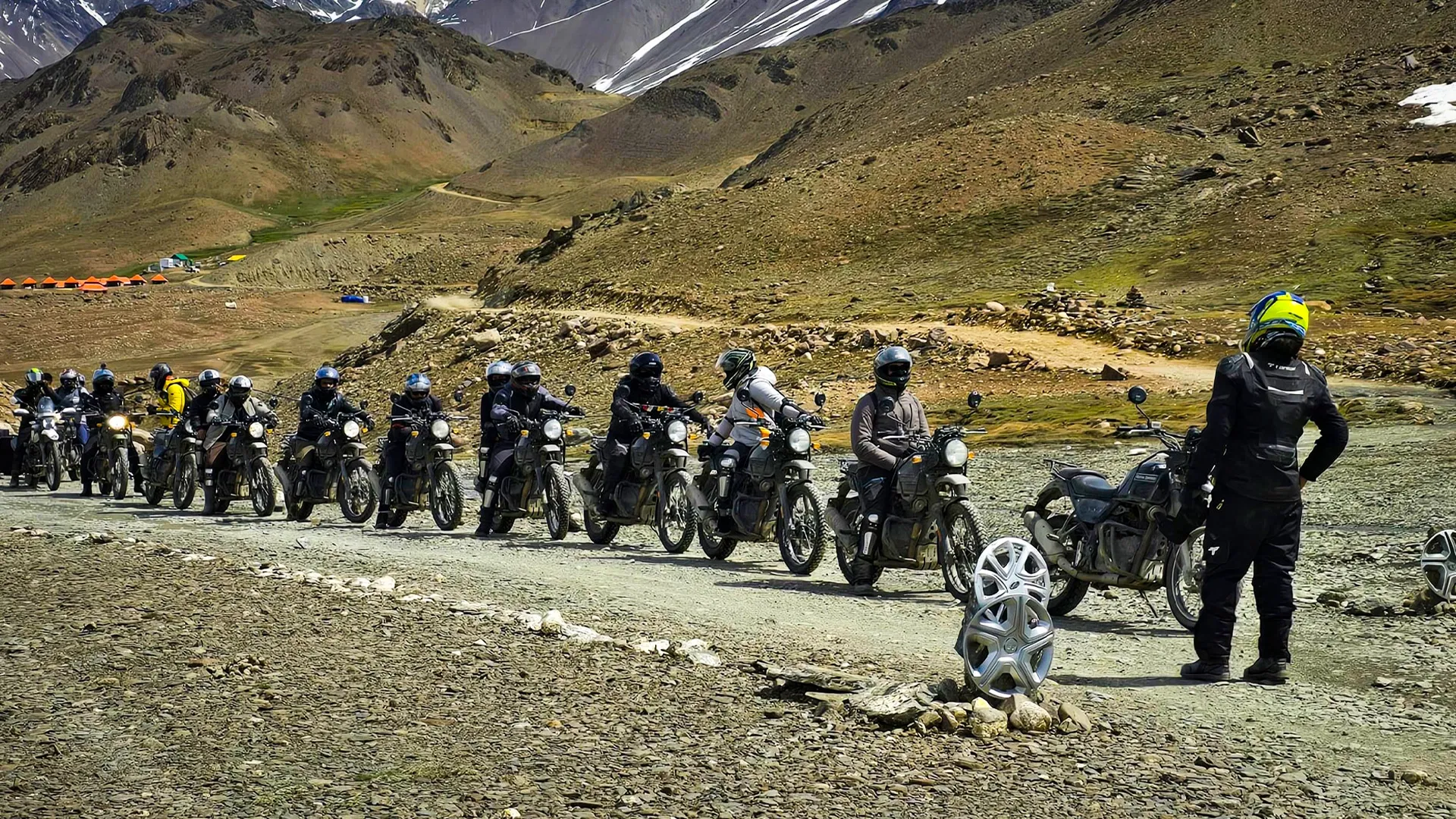
Bike Trip
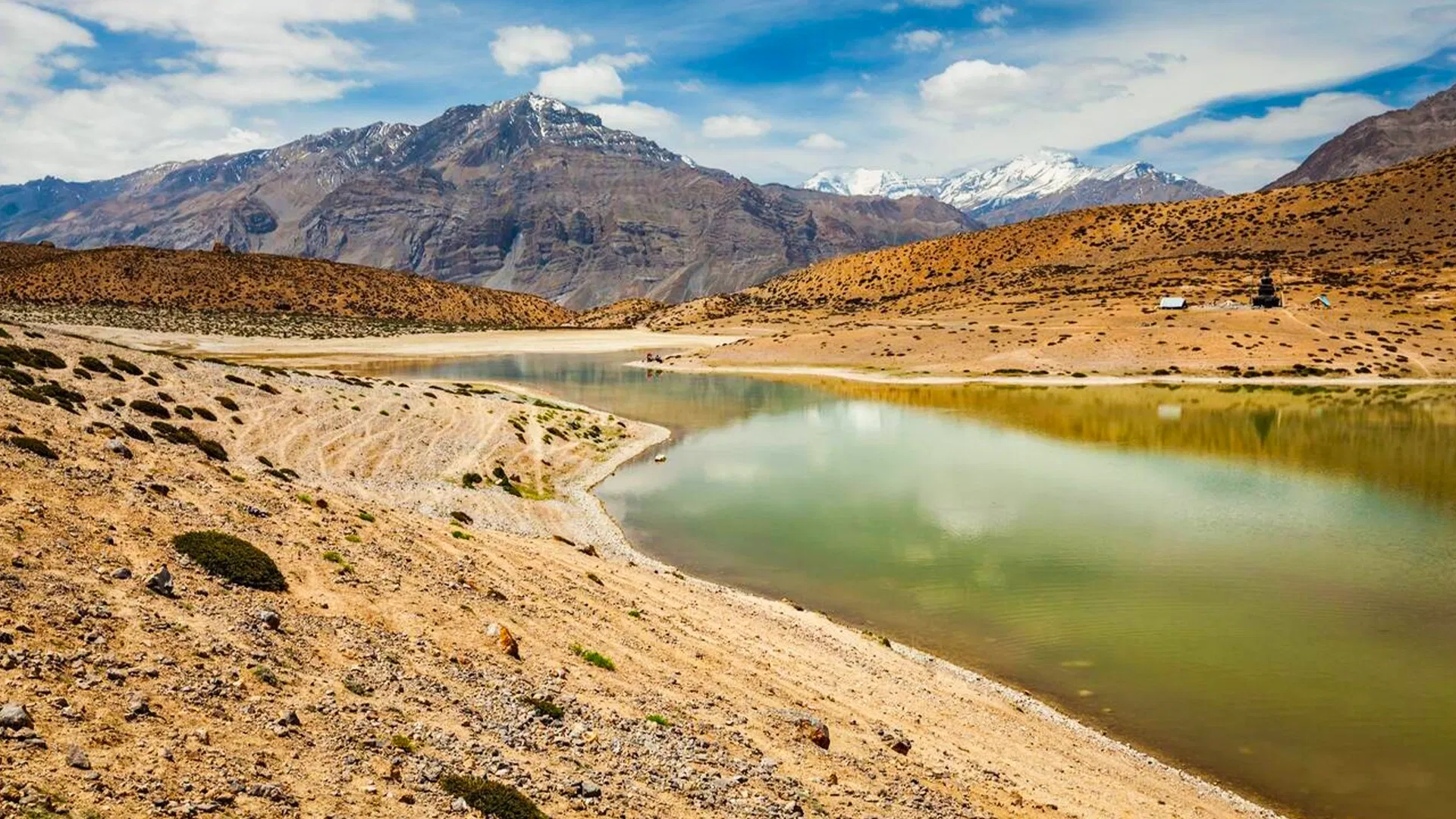
Trek to Dhankar Lake
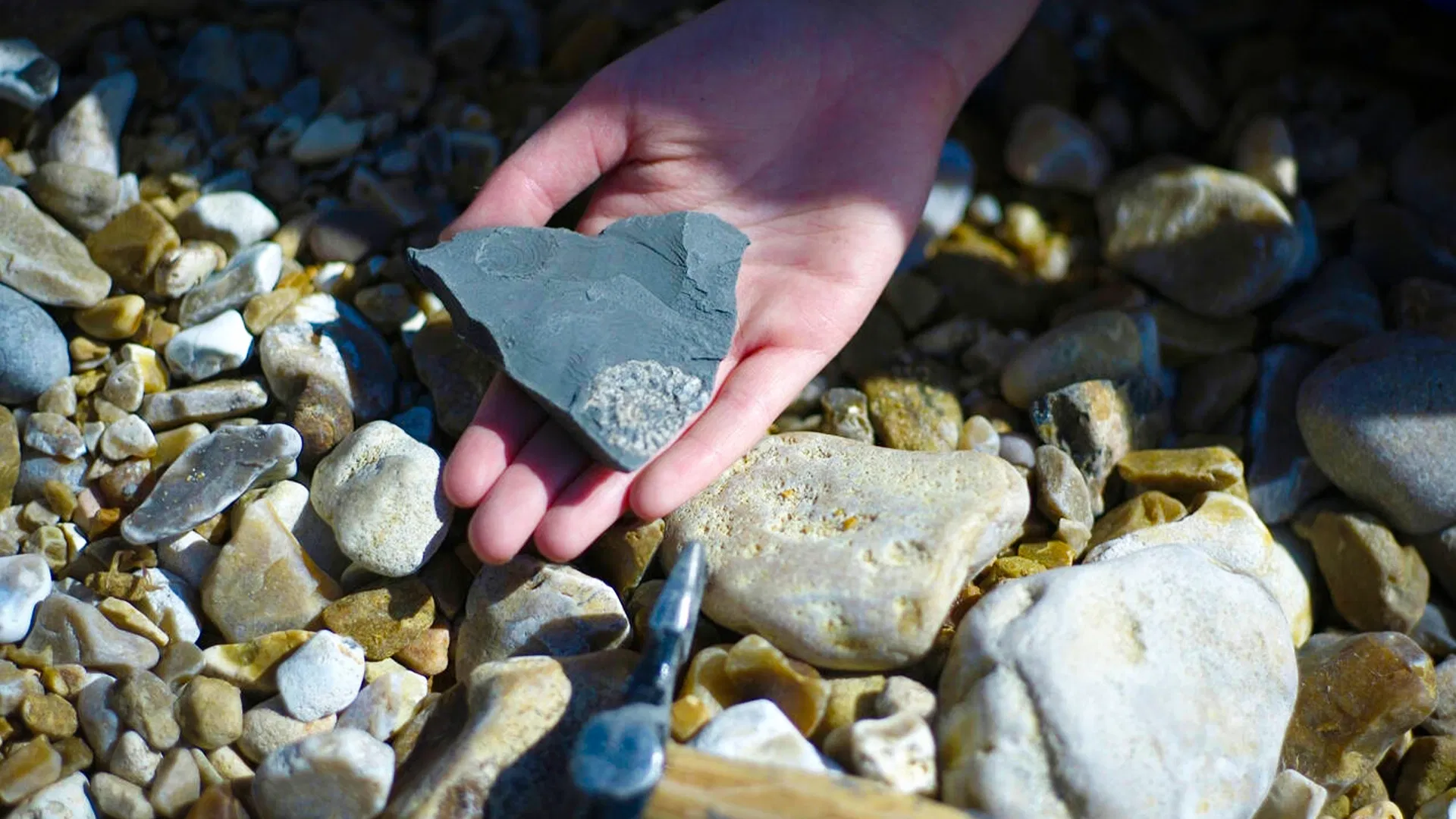
Fossil Hunting
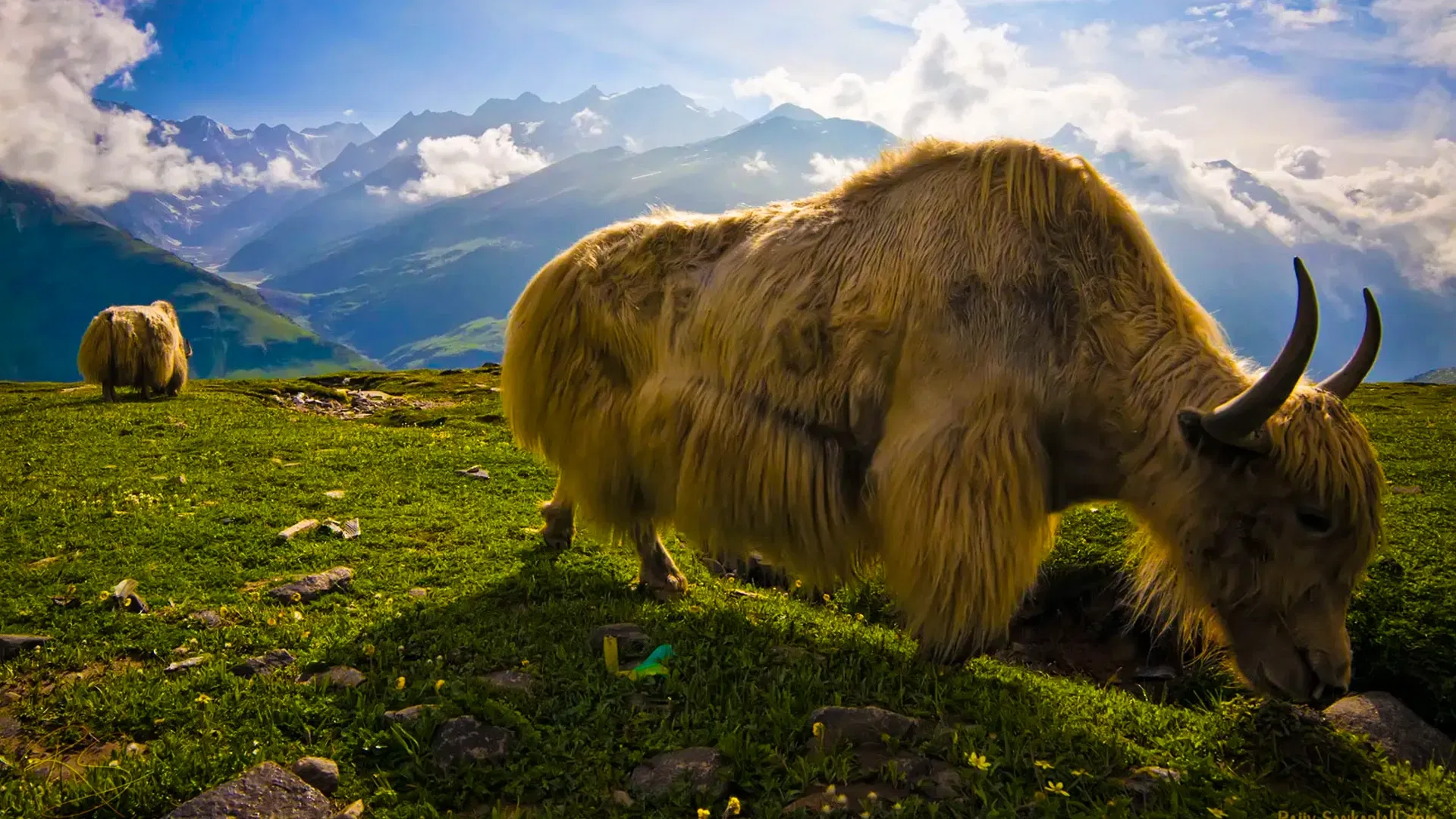
Yak Safaris
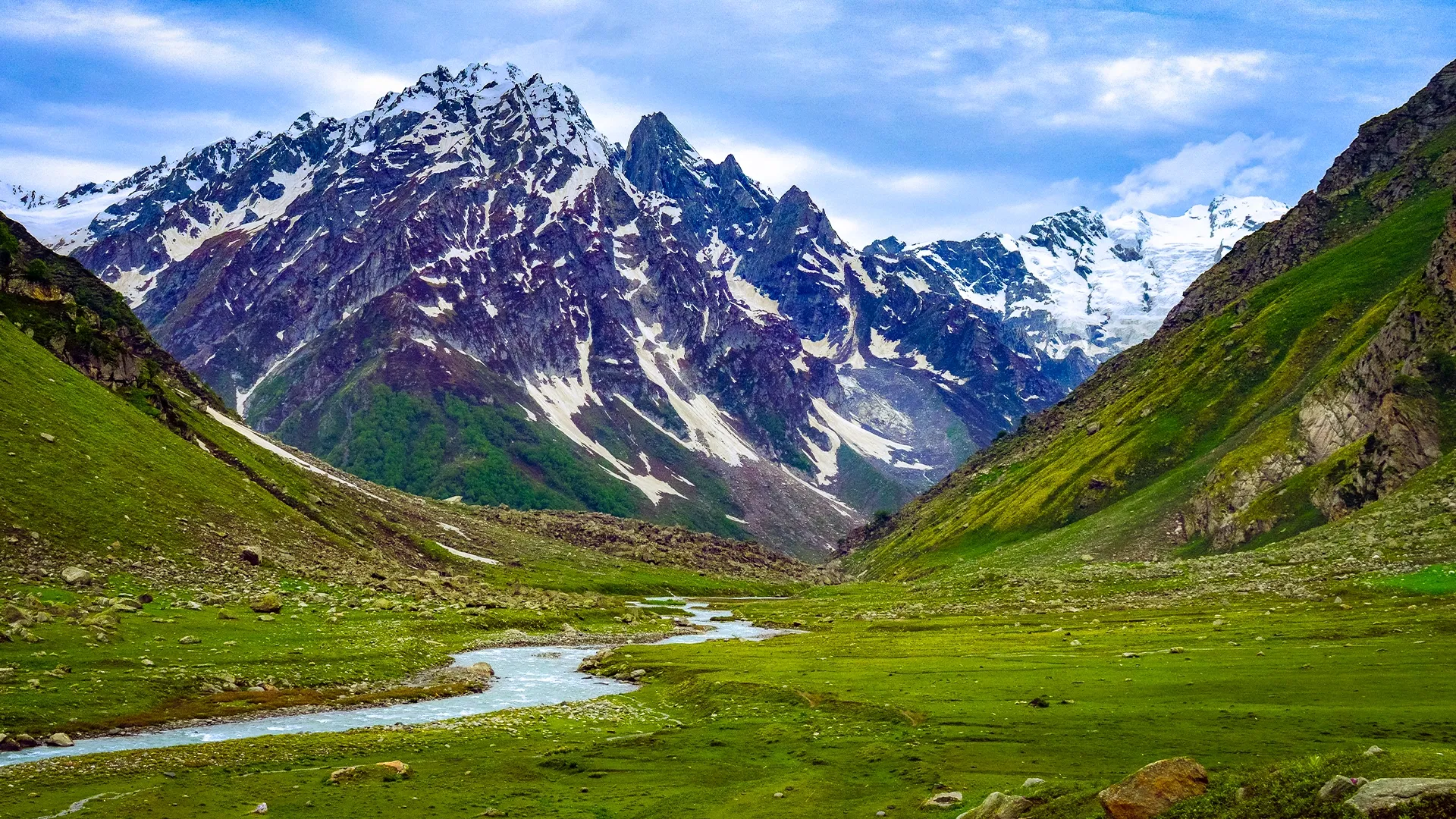
Wildlife Watching
Places To Eat
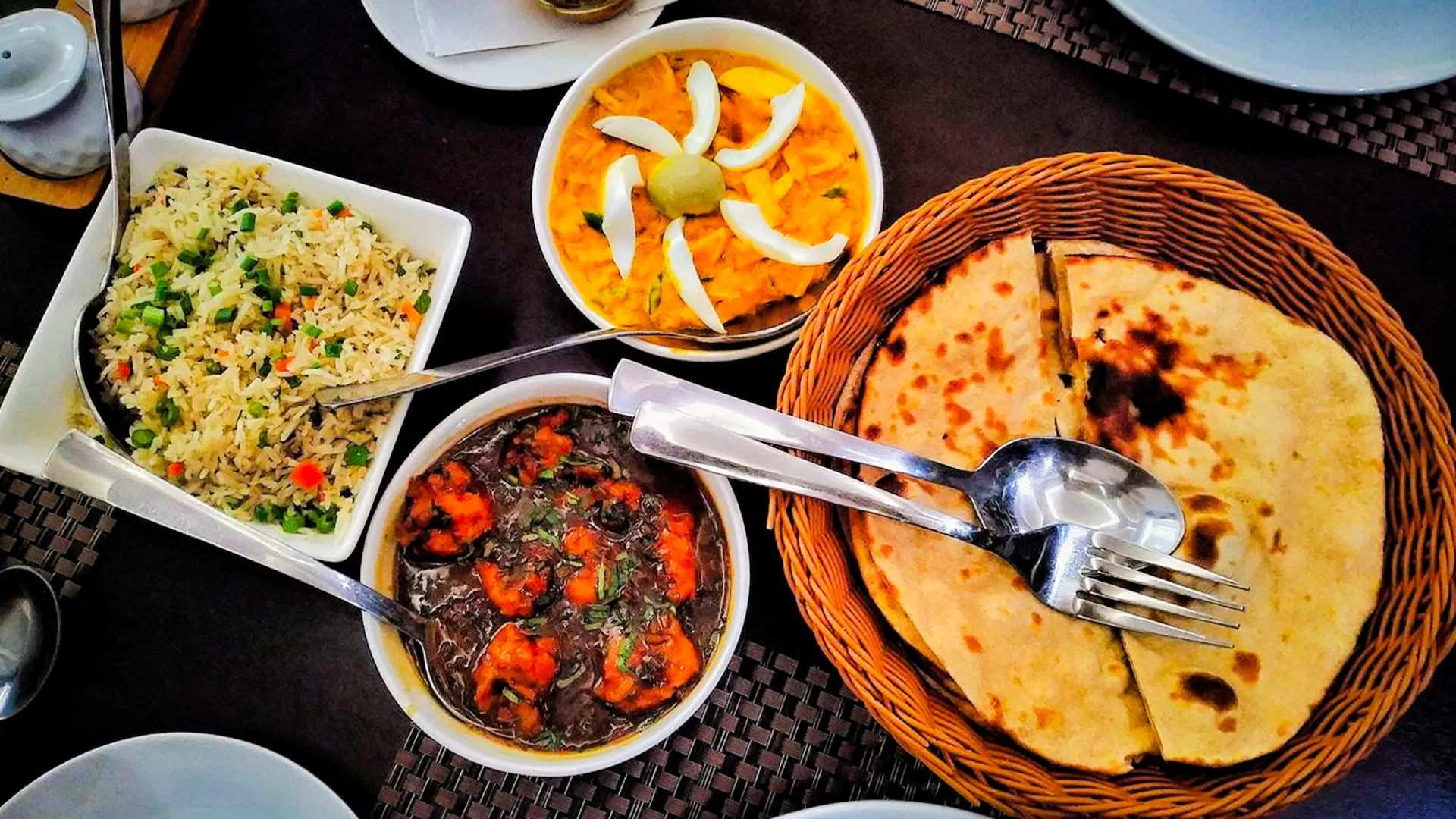
Mahabudha Restaurant
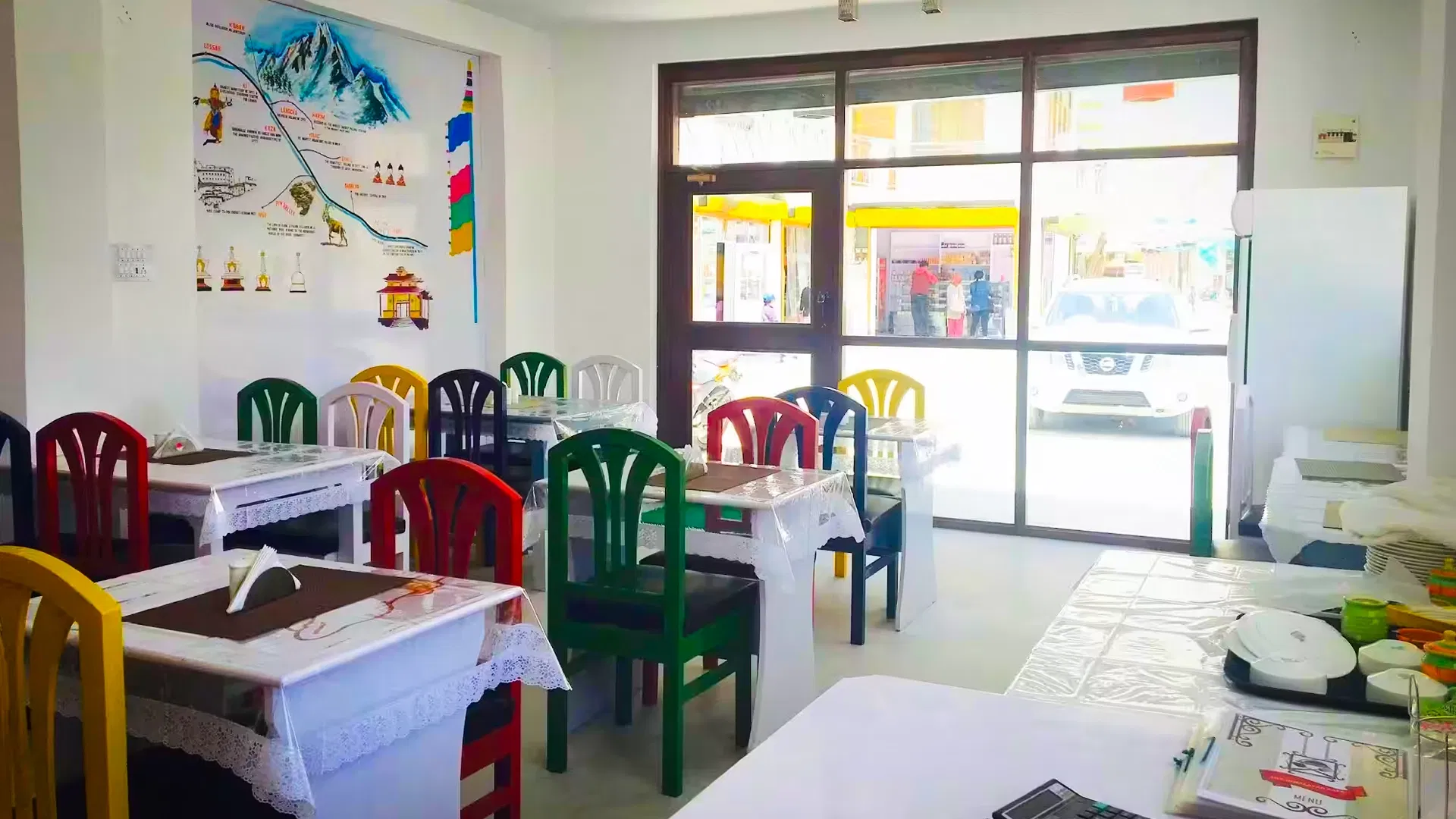
The Himalayan Cafe

Dragon Restaurant
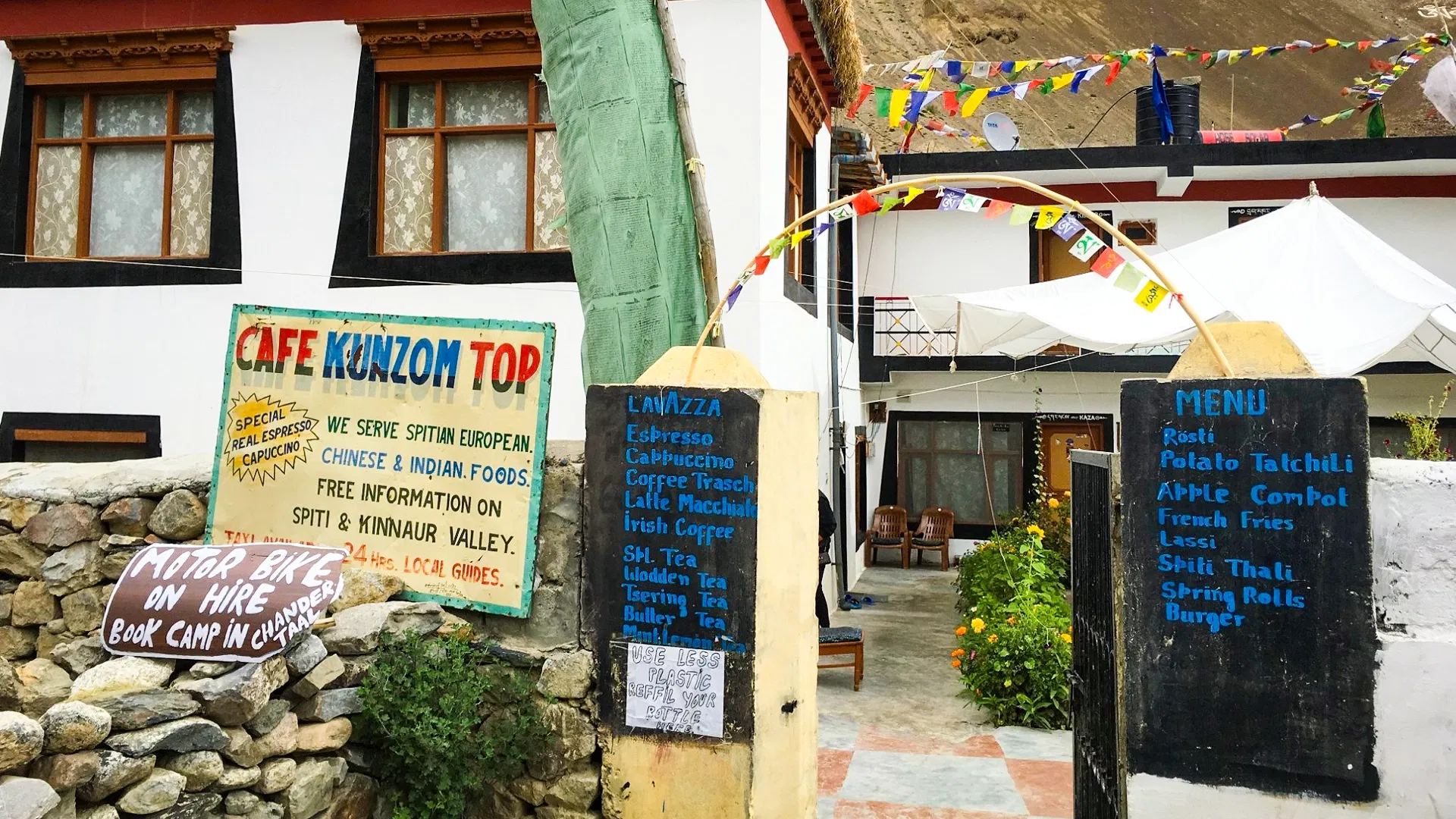
Cafe Kunzum Top
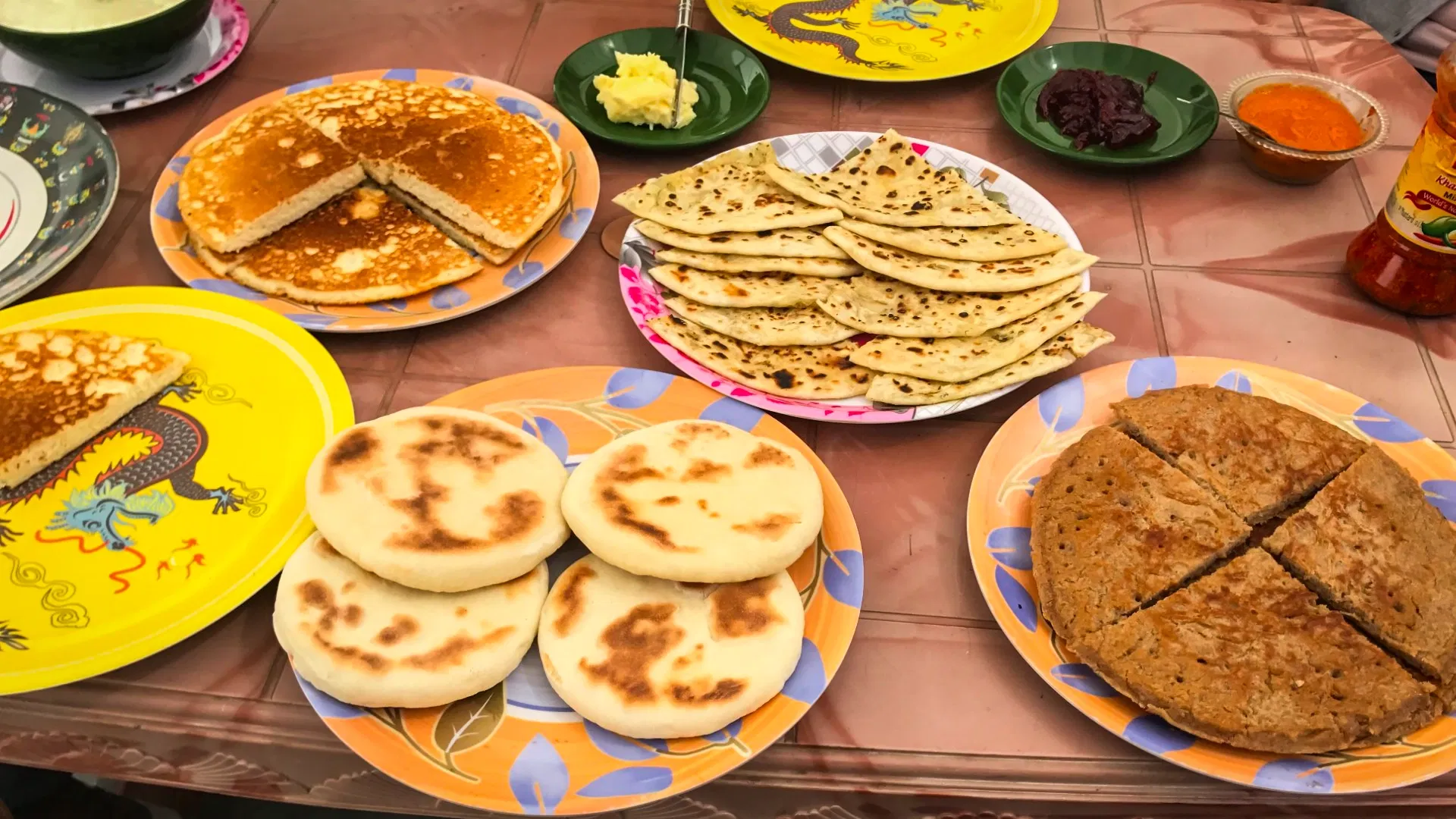
Hotel Dupchen
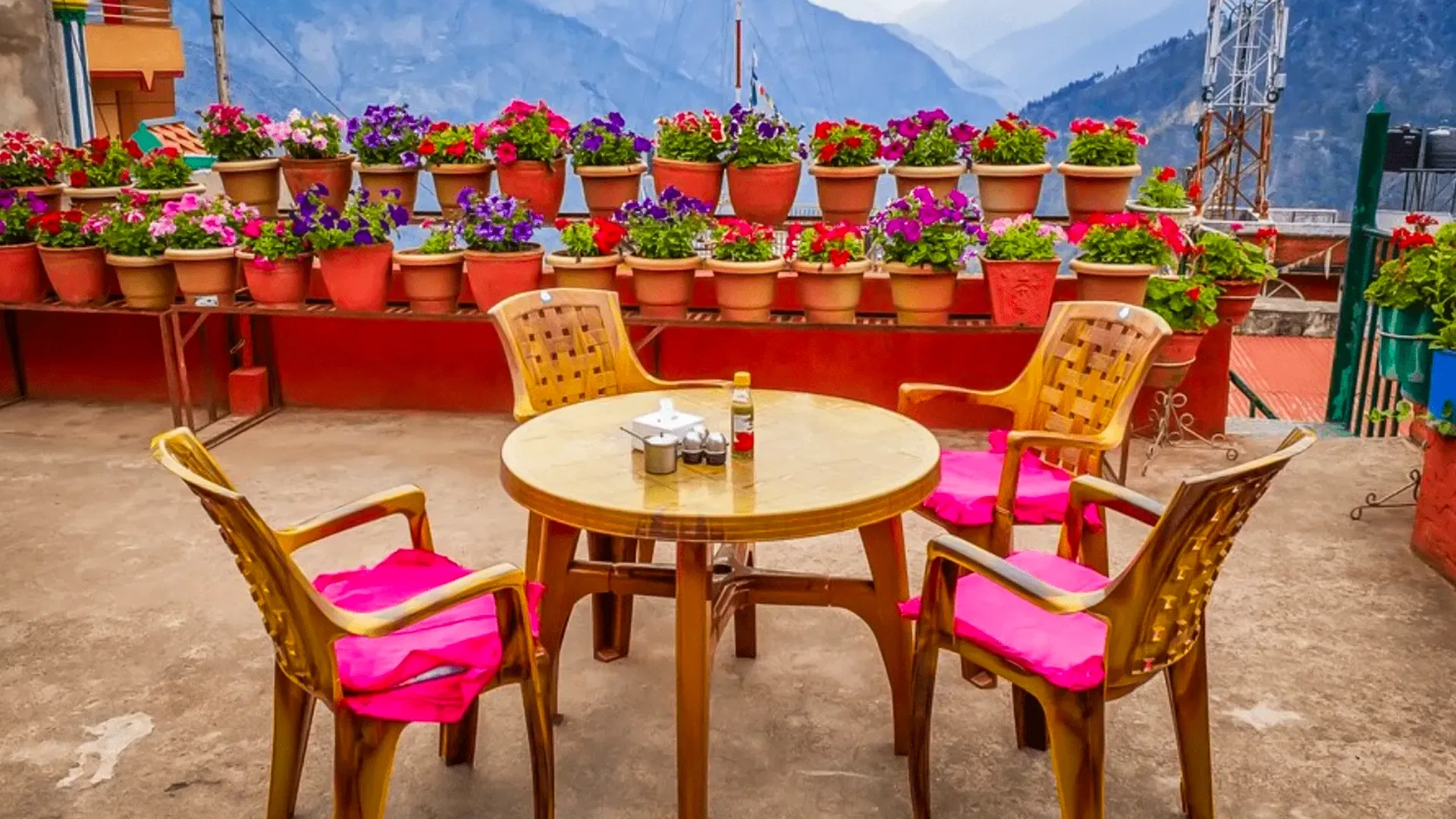
Yak Cafe
Places To Shop

Spiti Wears

Pema collection kaza
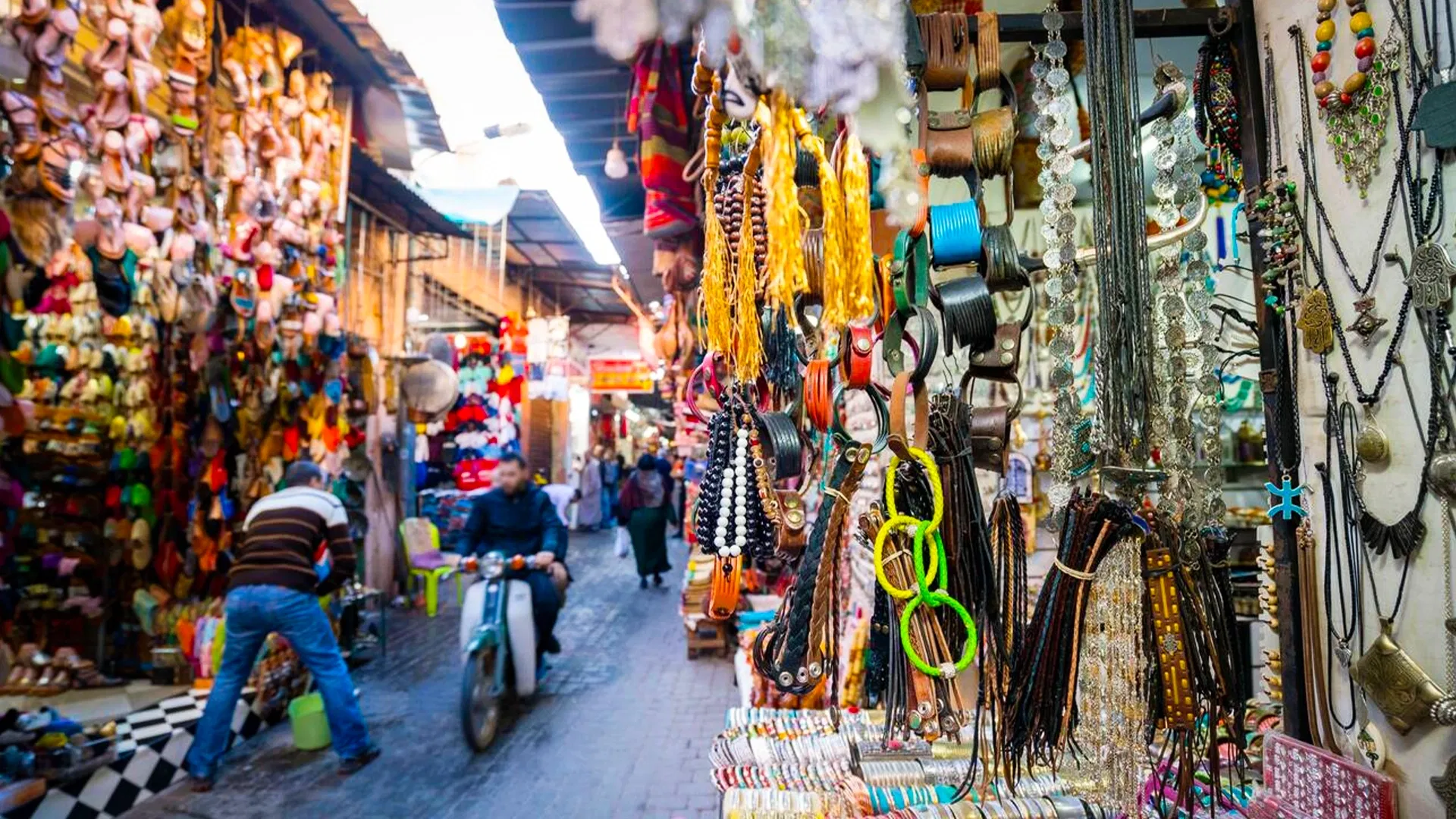
Kunzum Shopping Complex

Kaza Market
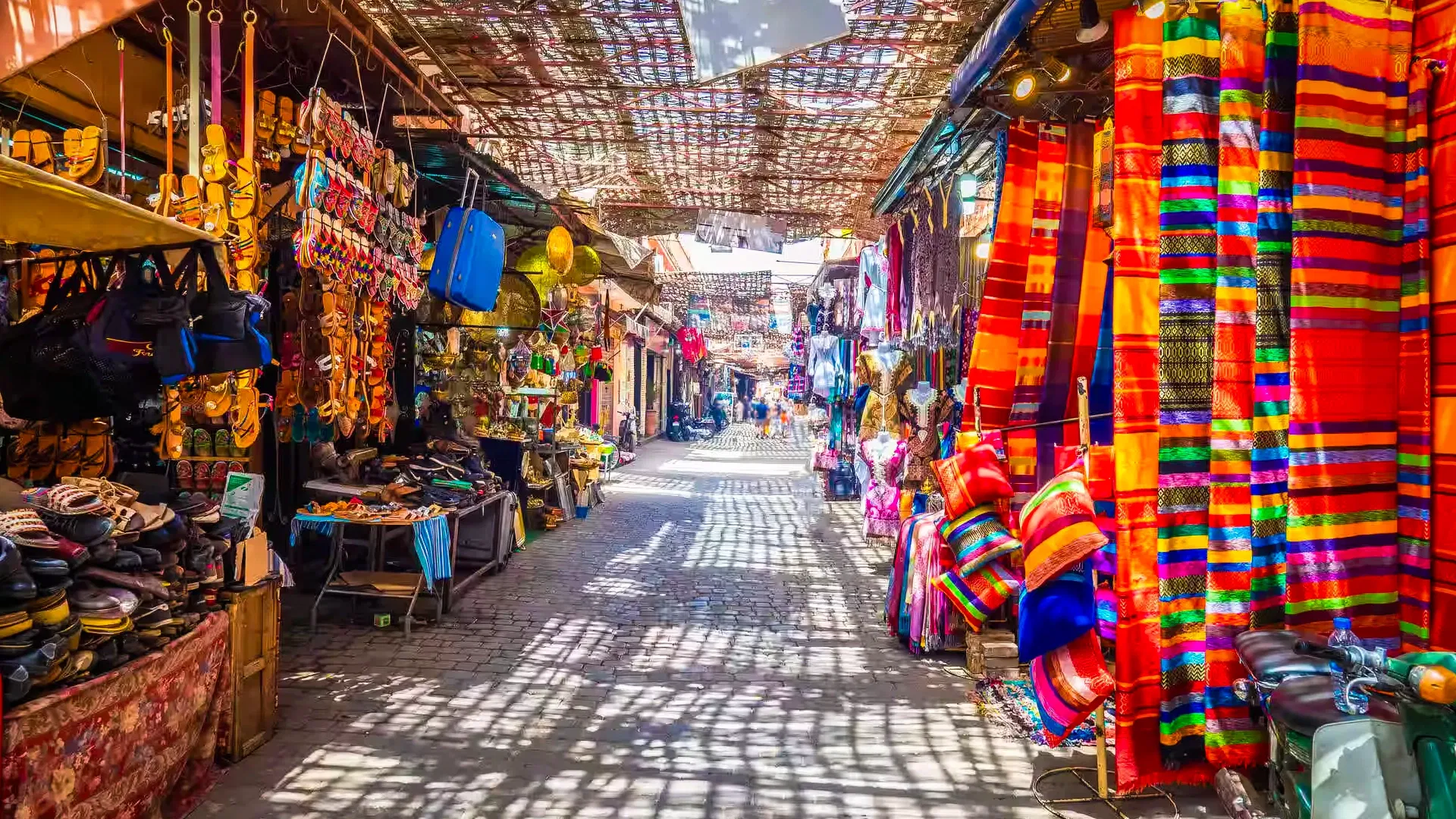
Spiti Souvenir Shop
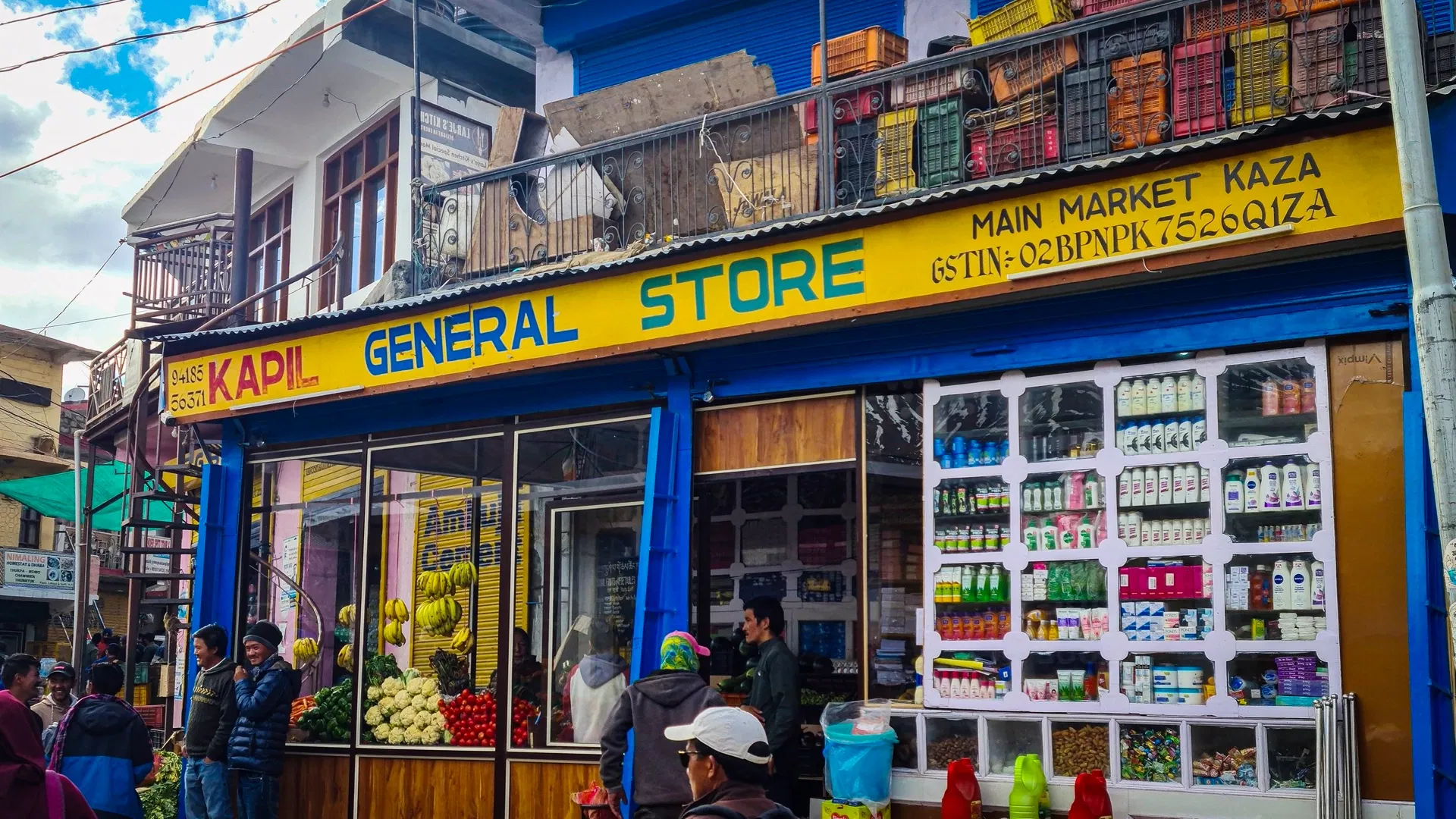
Kapil General Store
Best Sellers
₹26,999/-
₹24,999/- onwardsSpiti Backpacking - Exclusive Escape
6N/7D
Delhi - Delhi
23 May, 2 Oct+1 batch
Delhi Shimla Chitkul Kalpa Kaza Dhankar Key Monastery Hikkim Komic Langza Kalpa Delhi
₹30,999/-
₹27,999/- onwards8 Days Spiti Bike Trip: Ride to Tibet's Edge via Lepcha La
7N/8D
Delhi - Delhi
30 May, 6 Jun+1 batch
Delhi Tirthan Valley Chitkul Nako Tabo Kaza Key Chicham Hikkim Komic Langza Chandra Taal Manali Delhi
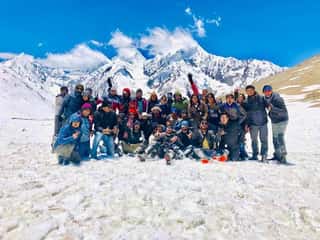
₹26,999/-
₹24,999/- onwards7 Days Spiti Full Circuit Roadtrip
6N/7D
Delhi - Delhi
19 Jun, 20 Jun+1 batch
Delhi Chitkul Kalpa Kaza Key Monastery Hikkim Langza Chandratal Lake Manali Delhi
Trending Now
₹20,999/-
₹17,999/- onwardsSpiti Backpacking - Bliss in Budget
6N/7D
Delhi - Delhi
23 May, 2 Oct+1 batch
Delhi Shimla Chitkul Kalpa Kaza Dhankar Monastery Key Monastery Hikkim Komic Langza Kalpa Shimla Delhi
₹20,499/-
₹17,999/- onwardsSpiti Summer
4N/5D
Delhi - Delhi
29 May, 5 Jun+1 batch
Delhi Manali Kaza Key Monastery Hikkim Komik Langza Chandratal Lake Manali Delhi
₹34,999/-
₹27,999/- onwards8 Days Spiti Circuit Biking Trip
7N/8D
Delhi - Delhi
30 May, 5 Jun+1 batch
Delhi Tirthan Valley Chitkul Kalpa Kaza Key Monastery Hikkim Langza Chandratal Lake Manali Delhi
Wanderlust Calling?
Allow Us to Call You Back!
Wanderlust Calling?
Allow Us to Call You Back!
Spiti-valley Tour Packages
₹26,999/-
₹24,999/- onwardsSpiti Backpacking - Exclusive Escape
6N/7D
Delhi - Delhi
23 May, 2 Oct+1 batch
Delhi Shimla Chitkul Kalpa Kaza Dhankar Key Monastery Hikkim Komic Langza Kalpa Delhi
₹20,999/-
₹17,999/- onwardsSpiti Backpacking - Bliss in Budget
6N/7D
Delhi - Delhi
23 May, 2 Oct+1 batch
Delhi Shimla Chitkul Kalpa Kaza Dhankar Monastery Key Monastery Hikkim Komic Langza Kalpa Shimla Delhi
₹20,499/-
₹17,999/- onwardsSpiti Summer
4N/5D
Delhi - Delhi
29 May, 5 Jun+1 batch
Delhi Manali Kaza Key Monastery Hikkim Komik Langza Chandratal Lake Manali Delhi
Don’t Just Dream, Travel! 🔥
Hear from Travellers like you
Frequently Asked Questions
01
Do Indian citizens need a permit to visit Spiti Valley?
No, Indian nationals do not need a special permit for most tourist areas in Spiti Valley, including Kaza. However, foreign nationals must get a Protected Area Permit (PAP) to visit areas near the Tibet border, which can be obtained from the Sub-Divisional Magistrate in Kaza, Reckong Peo, or Shimla. Keep passport-size photos and copies of your passport and visa ready.
02
What is the best time to visit Spiti Valley?
03
How do I reach Spiti Valley from Delhi?
04
Is Spiti Valley safe for solo travelers?
05
What mobile network works best in Spiti Valley?
06
What are the main tourist attractions in Spiti Valley?
Spiti Valley Travel Guidelines
- Acclimatize slowly — Spiti sits at high altitudes, so give your body time in Kaza before moving on to Komic, Kibber, or Chandratal.
- Carry warm layers year-round, as Spiti's temperatures can drop sharply after sunset even during summer months.
- Road conditions change quickly during monsoon and winter, so plan buffer days for weather-driven detours or delays on circuits.
- Mobile connectivity is limited across Spiti, with only BSNL working in parts — keep contacts and maps downloaded offline.
- Cash is essential in Spiti as ATMs are sparse beyond Kaza, especially in remote villages like Langza, Hikkim, and Tabo.
- Respect Spiti's monastic traditions — remove shoes, dress modestly, and avoid disturbing ongoing prayer ceremonies at gompas.
Our Blogs
Some good reads to help you travel better!
17 Amazing Places To Visit In Jaintia Hills, Meghalaya
May 1, 2026 | 5 Min Read
18 Best Places To Visit In Garo Hills Of Meghalaya In 2026
April 30, 2026 | 5 Min Read
12 Epic Places To Visit In Meghalaya By Bike This Year
April 28, 2026 | 5 Min Read
April 23, 2026 | 5 Min Read

WanderOn’s Secret Sauce
Why WanderOn?
No Third Party Mess
100 percent in-house operations for all trips! No third parties involved, hence no fishy claims!

Transparency & Security
Real time monitoring of all trips by ground team! All routes and weather conditions are accurately updated!

Co-Travelers Filtering
Multi-step filtering to bring only like-minded people together! That’s our key to have fuss-free trips!

One Stop Hassle Free Experience
Comfortable stays, trained drivers, hospitable staff and friendly trip leaders put together that one memorable trip for you!

Don’t Just Dream, Travel! 🔥
All About Spiti Valley
Things To Do In Spiti Valley
Places To Visit In Spiti Valley
Monasteries In Lahul Spiti
Best Time To Visit In Spiti Valley
Places To Shop In Spiti Valley
Best Hotels In Spiti Valley
Chandratal Lake Spiti Travel Guide
Spiti Weather And Temperature
Spiti Valley Bike Trip with KTM 390 Adventure
How to get to Spiti Valley from Delhi
Wildlife Places in Spiti Valley
Spiti River
Stargazing in Spiti Valley
International Tour Packages
India Tour Packages
Other Packages
WanderOn Special

WANDERON EXPERIENCES PVT LTD
CIN-U63040HR2019PTC118957
3rd Floor, Building No-436, Phase IV, Udyog Vihar, Sector-18, Gurugram, Haryana-122015




Don't just dream travel! 🔥
Allow us to call you back!