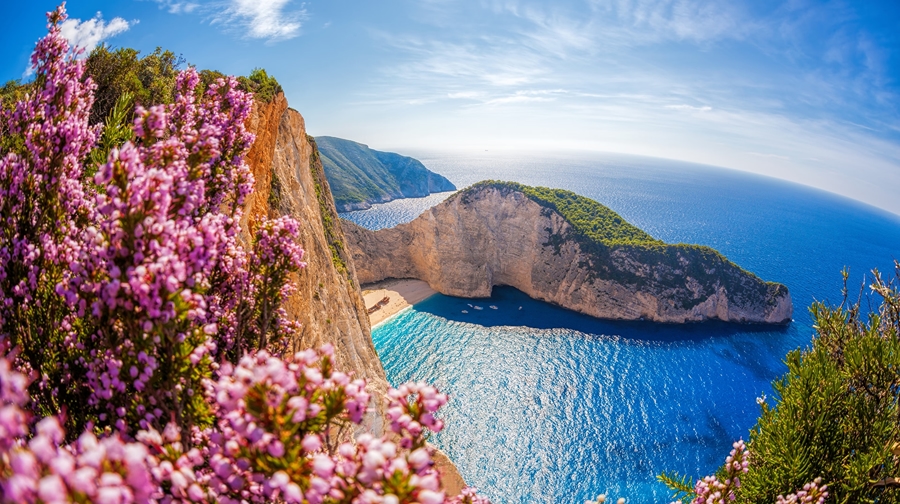
The best time to visit Greece is from April to June and September to October, when the weather is pleasant, summer crowds are thinner, and prices sit well below what you pay in July and August. If you want hot beach days and busy islands, July and August deliver both. Spring and autumn suit sightseeing, road trips and walking around Athens, Santorini, and Mykonos without queuing everywhere you go.
Actually, the best time to go to Greece depends on the trip you have in mind. April to June is best for sightseeing and island-hopping in comfortable temperatures. July and August are for a summer beach holiday. September to October gives you the warmest sea of the year with a fraction of the crowds, since the Aegean holds its heat long after the peak season ends.
If you are weighing up the best month to visit Greece, September is the month you should consider first. The sea is still warm, the islands are quieter than in August, and hotel rates have started to drop. First-time visitors doing Athens with a couple of islands usually get the most out of the shoulder months, when sightseeing and beach time both work well without peak-season prices. If Greece is one stop on your longer trip, our Europe tour packages can cover it alongside other European destinations.
Best Time To Visit Greece At A Glance
The best time to go to Greece depends on the season, weather, crowds and your travel budget. Here’s a quick month-by-month breakdown to help you choose.
Season
Months
Weather
Crowds
Best for
Spring
March – May (Shoulder season)
Mild, sunny, occasional rain
Low–Moderate
Sightseeing, Athens, hiking, exploring islands
Summer
June – August (Peak season)
Hot, sunny & dry
Very High
Beaches, island hopping, nightlife & peak summer
Autumn
September – November (Shoulder season)
Warm in Sep, cooler by Nov
Low–Moderate
Beaches, sightseeing, relaxed island trips
Winter
December – February (Off season)
Cool, wetter, especially on islands
Low
Budget travel, Athens, museums & mainland Greece
Greece Weather by Season
Greece has hot, dry summers and generally mild, wetter winters, but temperatures differ between the mainland, northern Greece, mountains, and islands. For most travelers, May, June, September, and early October offer the best season to visit Greece with warm weather and comfortable sightseeing.
Greece in Spring (March – May)
Spring is one of the most comfortable periods for exploring the best places to visit in Greece, particularly if sightseeing matters as much as beach time. Temperatures rise steadily from March to May, rainfall decreases and the weather becomes increasingly suitable for outdoor activities.
Greece in March
Average Greece temp in March: 10–18°C
Weather: Mild days with cooler mornings and evenings; occasional rain is still possible
Beach & swimming: Sea temperatures remain cool, so March is better for sightseeing than a beach holiday
Crowd & cost: Low-season conditions with fewer tourists and generally lower accommodation demand
Best for: Athens, archaeological sites, food, culture and mainland road trips
Greece in April
Average temperature: 13–21°C
Weather: Warmer and increasingly sunny, although showers can still occur
Beach & swimming: Possible on warmer days, but the sea is still cool for most travellers
Crowd & cost: Lower than summer, making April a good-value month for sightseeing
Best for: Athens, ancient sites, hiking, photography and mainland travel
Greece in May
Average temperature: 17–25°C
Weather: Warm, mostly sunny and increasingly dry, particularly towards the end of the month
Beach & swimming: Greece in May isgood for beach time, with sea temperatures becoming more comfortable through May
Crowd & cost: Tourist numbers start rising but remain below the July–August peak
Best for: Island hopping, sightseeing, beaches and first-time Greece trips
Greece in Summer (June – August)
Summer is one of the best time to visit Greece for a vacation. It is the busiest part of the Greece tourist season, with long sunny days, high temperatures, and strong demand for the islands. June is generally more comfortable than the hotter July and August period. Representative climate data shows average highs reaching around 30°C in Athens during July and August, although individual locations and heatwaves can be considerably hotter.
Greece in June
Average temperature: 21–29°C
Weather: Warm to hot, predominantly sunny and dry
Beach & swimming: Excellent for swimming, island hopping and boat trips
Crowd & cost: Demand rises significantly, but crowds are generally below July and August levels
Best for: Beaches, island hopping, sailing, sightseeing and a full summer itinerary
Greece in July – August
Average temperature: 25–34°C
Weather: Hot, dry and sunny; strong seasonal winds can affect parts of the Aegean
Beach & swimming: Ideal for travellers prioritising beach time
Crowd & cost: Peak season in Greece, with the highest demand and prices in popular destinations
Best for: Peak-summer beach holidays, nightlife, island hopping and summer events
Greece in Autumn (September – November)
September retains much of the summer warmth, while weather in Greece in October becomes more comfortable for sightseeing and mainland travel. Conditions become cooler and wetter as November approaches. This makes autumn one of the best time to go Greece.
Greece in September
Average temperature: 21–29°C
Weather: Warm, sunny and generally dry, with temperatures gradually becoming milder towards the end of the month
Beach & swimming: Excellent; the sea remains warm after summer
Crowd & cost: Crowds begin easing after August, although popular islands remain busy
Best for: Island hopping, beaches, couples, sightseeing and a balanced Greece itinerary
Greece in October
Average temperature: 17–25°C
Weather: Mild to warm with more changeable conditions and increasing rainfall later in the month
Beach & swimming: Still possible, particularly in southern Greece and Crete
Crowd & cost: Noticeably quieter and generally less expensive than the summer peak
Best for: Athens, historical sites, road trips, food and culture
Greece in November
Average temperature: 12–20°C
Weather: Cooler and wetter, particularly towards the end of the month
Beach & swimming: Not ideal for a dedicated beach holiday
Crowd & cost: Low tourist demand and a quieter atmosphere
Best for: Athens, mainland Greece, museums, food and cultural experiences, Halloween in Greece
Greece in Winter (December – February)
Winter is usually not the Greece tourist season and is the quietest travel period. Coastal areas remain relatively mild compared with northern and mountainous Greece, where temperatures can be considerably lower and snowfall is possible.
Greece in December
Average temperature: 9–17°C
Weather: Cool to mild on the coast, with more rainfall and shorter days
Beach & swimming: Not suitable for a typical beach-focused itinerary
Crowd & cost: Low tourist demand outside the Christmas and New Year period
Best for: Athens, mainland sightseeing, food, history and festive city breaks
Greece in January – February
Average temperature: 8–16°C
Weather: Among the coolest and wetter months; northern and mountainous areas can be much colder
Beach & swimming: Generally unsuitable for a conventional Greek island beach holiday
Crowd & cost: Very low tourist numbers in many destinations
Best for: Athens, museums, archaeological sites, food, mainland travel and winter experiences
Expert Tips for Choosing the Best Time to Visit Greece
The best time to visit Greece from India depends on what you want from the trip not just the temperature. Use these practical planning tips to match your travel dates with weather, crowds, prices and the type of holiday you want:
Flying from India?: Check flight connectivity before locking your month. The best time to visit Greece from India is not only about weather. Compare flight schedules and fares first, especially if you're planning multiple Greek islands or adding Italy to the trip.
Use May or September for a multi-city itinerary: If you want Athens + Santorini + Mykonos + another island, these months give you more comfortable sightseeing conditions than the hottest part of summer.
Book July–August only if you want peak summer: This is the busiest period, so don't expect the lowest hotel rates or quiet beaches. Popular islands should be booked well ahead.
Keep Crete in mind for October: If you want a later-season beach trip, southern destinations such as Crete generally give you a better chance of warm weather than northern Greece.
Don't plan island hopping too tightly: Leave some flexibility between ferries, especially outside peak summer. Weather can affect sea crossings, and a missed connection can disrupt the rest of your itinerary.
Book Santorini and Mykonos differently from the mainland: Their accommodation demand is much more seasonal. If you're travelling on a budget, compare smaller islands or stay outside the most expensive waterfront areas.
For the best month to visit Greece, match the month to your priority: May for sightseeing, June for early-summer beaches, September for the best overall balance, and October for quieter cultural travel.
Check event calendars before booking flights: If you're combining Greece with Italy for an Italian festivals or the San Remo Festival Italy, book accommodation as soon as your dates are confirmed. Major events can change local hotel availability and prices even outside Greece's peak season.
Don't judge Greece by Athens temperatures alone: An Athens forecast won't tell you what conditions will be like in Santorini, Crete or northern Greece. Check each destination when building a multi-region itinerary.
For the best time to see Greece, avoid overpacking the itinerary: A slower route through two or three destinations in May, June or September will usually give you a better trip than trying to cover five islands in a week.
Hear from Travellers like you
Manas Divetia
1 Jul 2026
Recently went on a central Europe trip with Wanderon, and it was a fabulous experience. Everything- from visa assistance to trip planning, including hotels was spot on, which made the whole experience enjoyable. Special thanks to Anshika, Yashwant, Yash, Aditya, Shipra for coordinating everything smoothly for my trip.
sahil girdhar
6 Jan 2026
I had a very good experience with WanderOn.
From planning to execution everything was super smooth.
The experts here listen and understand to all of your points during planning and create a curated package.
The most important part of getting VISAs done is in very smart and safe hands of Yashwant from Visa team, he will get it done with ease just submit your details to him.
Then Akash from Execution team will handle all the ground activities of execution. His support 24*7 during the trip is commendable.
Keep it up..
P.S. I booked my honeymoon package for Exploring Europe.
Achin Saxena
15 Dec 2025
WanderOn helped us to build a customised plan and arranged our honeymoon trip to Europe. They prepared the best possible arrangements for us in our budget. Special thanks to Aakash and Abhishek for being proactive starting from booking till the end of our journey.
Visited the rich Heritage of Athens and saw the natural wonders at Santorini in Greece.
Sushmit Tripathi
4 Nov 2025
Had an amazing experience with WanderOn on my recent trip to Europe! Everything was perfectly organized — from the itinerary and hotel bookings to local transfers and on-trip support. The team was professional, responsive, and genuinely cared about making the journey smooth and enjoyable. Special thanks to Deepak, Shreyash and Azad for the personal attention and excellent coordination. Highly recommended for anyone looking for a hassle-free and memorable travel experience!
Frequently Asked Questions
Your right to Know!
01
What is the best time to visit Greece?
The best time to visit Greece is May to June and September to early October. These months bring warm weather, good beach conditions, fewer crowds than peak summer, and comfortable conditions for sightseeing and island hopping.
02
What is the best month to go to Greece?
September is the best month to visit Greece for most travellers. The weather remains warm, the sea is comfortable for swimming and tourist numbers start falling after August making it easier to explore popular islands.
03
What is the coldest month in Greece?
January is generally the coldest month although temperatures vary by region. Greece in January is mild along southern coasts but colder inland and in northern areas. Mountain regions can see freezing temperatures and snowfall.
04
When is the peak tourist season in Greece?
Peak season in Greece runs from June to August with July and August seeing the highest tourists. This is the busiest period for Greek islands, when hot weather, beach tourism and higher accommodation demand coincide.
05
When is the cheapest time to visit Greece?
The cheapest time to visit Greece is generally November to March when tourist demand is lowest. January and February can offer particularly good value for flights and accommodation although some island hotels, restaurants and seasonal services may close.