Choosing the right month can make your Paro trip much easier. The weather affects everything from the views you get of the mountains to your experience at Tiger’s Nest and the chances of rain during sightseeing. If you are planning your trip through Bhutan tour packages, understanding Paro’s seasons can also help you choose the right itinerary. The best time to visit Paro is generally from March to May and September to November.
Spring brings blooming flowers and pleasant weather, while autumn usually offers clearer skies and excellent mountain views. Winter is colder but often crisp and dry, while June to August brings monsoon showers.
Paro Seasons at a Glance
Season
Months
Typical Conditions
What Shines
Spring
March to May
Cool to mild, gradually warmer
Rhododendrons, hiking, Paro Tshechu
Summer
June to August
Warm, wet and cloudy at times
Green valleys, fewer crowds
Autumn
September to November
Mild, dry and clearer
Mountain views, hiking, photography
Winter
December to February
Cold, dry and crisp
Quiet streets, clear days, winter views
Paro sits at a high elevation, so temperatures can feel much colder in the morning and after sunset than they do during the afternoon. Carrying layers is useful throughout the year.
Paro, Bhutan Weather by Month
January
January is one of the coldest months in Paro. Days can be sunny, but mornings and nights are chilly. Snow is more common at higher elevations than in Paro town itself. Pack proper winter layers if you are travelling this month.
February
February remains cold, but the days slowly become more comfortable. The weather is generally dry, making it suitable for sightseeing if you do not mind the cold. It is also a quieter period compared with the popular spring and autumn months.
March
Paro weather in March starts becoming more pleasant as spring arrives. Days are comfortable for sightseeing and hiking, although mornings and evenings can still be cold. Flowers begin appearing across the valley, making March a good month for nature lovers.
April
April is one of the most attractive spring months. The weather is generally pleasant, the landscape becomes greener, and rhododendrons add colour to the hills. Depending on the annual festival calendar, Paro Tshechu may also take place around this period.
May
May continues to offer pleasant spring conditions, although rainfall gradually increases towards the monsoon season. It is a good month for outdoor sightseeing, the Tiger’s Nest hike and exploring the Paro Valley before the wetter months arrive.
June
June marks the beginning of the monsoon period. Rain becomes more frequent and cloudy conditions can affect mountain views. The countryside, however, becomes lush and green. Keep some flexibility in your itinerary if travelling during this month.
July
July is among the wetter months in Paro. Heavy showers can interrupt outdoor plans and make hiking trails slippery. It is not the easiest month for a packed sightseeing schedule, but travellers who enjoy green landscapes may still find it rewarding.
August
August remains wet, with monsoon showers continuing across Bhutan. The valley is at its greenest, but outdoor activities need more planning. If you visit during this period, keep backup plans for rainy days.
September
September is a transition month. The first part of the month can still see monsoon rain, while conditions generally improve later. As the skies start clearing, trekking and sightseeing become more comfortable.
October
October is one of the strongest months to visit Paro. Days are generally mild, and skies are often clearer after the monsoon. Mountain views can be excellent, making it a particularly good month for photography and the Tiger’s Nest hike.
November
November brings cooler temperatures but often dry and clear conditions. It is a good choice for travellers looking for comfortable sightseeing without the heavier monsoon rain. Carry warm layers, especially for early mornings and evenings.
December
Paro in December feels properly wintry. Days can be sunny and crisp, while temperatures drop sharply after sunset. Snow is possible at higher elevations, but you should not expect regular snowfall in Paro town. Winter clothing is essential.
How Weather Can Affect Your Paro Flight
Weather matters in Paro for another reason that travellers often overlook: the flight itself.
Paro Airport is surrounded by mountains, and flights operate under specific visual flight conditions. Poor visibility, cloud cover and difficult weather can affect flight operations, particularly during the monsoon and winter periods.
This does not mean flights are regularly cancelled, but weather conditions can sometimes cause delays or changes to schedules. It is sensible to avoid planning an important connection immediately after your Paro flight.
For example, if you have a flight from Paro to another destination on the same day as an important international connection, a delay could make the journey stressful. Adding a buffer day where possible gives you more breathing room.
The same applies when arriving during the rainy months. Mountain weather can change quickly, so check your flight status before leaving for the airport.
What to Do in Paro: By Season
Spring: Hiking and Festivals
Spring is ideal for combining outdoor activities with cultural experiences.
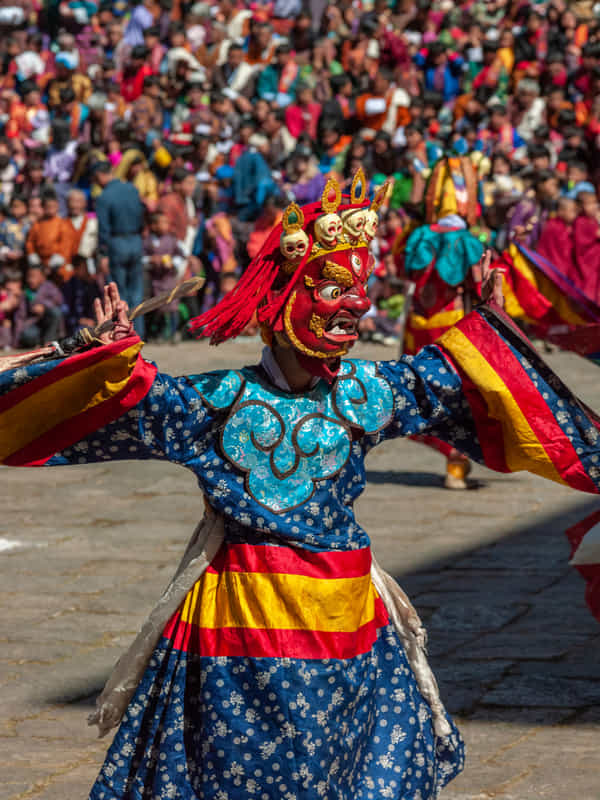
The biggest draw is the Paro Tshechuseason, when locals and visitors gather for traditional masked dances, music and religious performances. The exact dates change every year, so check the official festival calendar before booking your trip.
Spring is also a good period for the Tiger’s Nest hike. The weather is generally comfortable, and the surrounding hills start becoming greener.
Summer: Green Landscapes and Flexible Plans
Summer is not the easiest season for outdoor-heavy itineraries because of the monsoon. However, the rain gives Paro's countryside a rich green appearance.
With Bhutan summer trips, you can still explore cultural attractions and monasteries between showers. Keep your schedule flexible rather than planning several outdoor activities back-to-back.
A rain jacket and shoes with good grip are useful additions to your packing list.
Autumn: Tiger’s Nest and Mountain Views
Autumn is arguably the best all-round season for Paro.
September to November offers a good balance of comfortable temperatures, clearer skies and outdoor conditions. October is particularly popular for hiking and photography.
If you are wondering about the best time for the Tiger's Nest, aim for spring or autumn. Start the hike early in the day, carry water and wear proper walking shoes.
Winter: Quiet Sightseeing
Winter is a good option for travellers who do not mind cold weather.
The colder months can offer crisp days and clear views. The Tiger’s Nest trail can also be quieter compared with peak travel periods.
For days when you would rather stay indoors, explore Paro's National Museum of Bhutan, dzongs and cultural attractions. You can also spend time in local cafés and enjoy Bhutanese food at a slower pace.
Does It Snow in Paro?
A common question is, does it snow in Paro?
Yes, snowfall is possible, but it is not something you should expect regularly in Paro town. Bhutan Tourism notes that snow is common above 3,000 metres during winter, while it rarely snows in Paro and Thimphu.
If seeing snow is important to you, higher-altitude areas are a better choice than planning your entire trip around snowfall in Paro.
Planning Your Paro Trip
Once you decide on the best time to visit Paro, the next step is sorting out permits and your itinerary.
Indian travellers need a Bhutan entry permit, while the Sustainable Development Fee currently applies at the prescribed rate. Requirements can change, so check the latest official Bhutan Tourism guidance before travelling.
For international visitors, visa and Sustainable Development Fee requirements also depend on nationality. Apply through the official process and keep your travel documents ready before departure.
If you prefer having transport, stays and sightseeing arranged together, you can also look at WanderOn's Bhutan tour options. This can make planning easier, especially if Paro is part of a longer Bhutan route covering Thimphu, Punakha or Phobjikha.
We went to Bhutan thru wander on .
I must say they are very reliable n supportive .
They were always there whenever we needed them
Everything was managed in a very planned manner
Special thanks to mr Rahul and mr Mukul
They were very helpful through out our trip .
Looking forward for many more trips with them
Thanks
BHARATI CHATURVEDI
23 Jun 2026
Went to trip of Bhutan organised by Wander On .It was a well organised trip.Mukul and Rahul along with their team were cooperative,helpful .Looking forward to next one . Thanks 👍
venigalla pranavi
22 Jun 2026
My trip to Bhutan with WanderOn was an unforgettable adventure, packed with everything from stunning mountain landscapes to a literal 5.8 magnitude earthquake in Thimphu!. A huge shoutout to our trip captain ABHIJAY👏, who was incredibly proactive, present, and helpful the entire time. He stayed right with the group during the tough stretches of the trek, ensuring everyone made it back safely down the mountain. His supportive attitude made a massive difference."
Ayesha Rukhsar
22 Jun 2026
This was my third trip with WanderOn, this time to Bhutan in June 2026, and I can confidently say I’ve seen a remarkable upgrade since my first trip with them in December 2023.
The two biggest reasons I keep choosing WanderOn are women’s safety and their seamless trip coordination. They’ve built such trust that even my parents now ask, “Why aren’t you booking with WanderOn instead of other vendors?” That’s the kind of confidence and impact they’ve created over the years.
Yes, they may be slightly premium compared to others, but the experience makes it worth every penny. One thing they never compromise on is the quality of stays. All our accommodations in Bhutan were comfortable, beautiful, and well chosen. The food included in the package was decent, the local guides were amazing, and the itinerary was thoughtfully planned.
There was a minor delay on Day 1 due to flight delays, and the team tried their best to accommodate everyone, which eventually led to a delayed border crossing from Jaigaon to Phuentsholing. However, these things can happen while managing a large group, and it was handled professionally.
A special mention to our Trip Captain, Abhijay (Avi). Calm, composed, energetic, professional, and incredibly humble—he truly made the trip memorable. It was my birthday during the trip, and I hadn’t mentioned it because I usually don’t celebrate birthdays. But Avi and my fellow travellers changed that for me and made the day feel special. Thank you for that memory.
The only disappointment of the trip was the last night’s stay and the vehicle arranged for our drop back to Siliguri. The journey felt quite congested and suffocating, and honestly, it didn’t do justice to the price paid or to the otherwise excellent experience.
Overall, this was another wonderful journey with WanderOn, and despite a few shortcomings at the end, I returned with beautiful memories, new friendships, and yet another reason to travel with them again.
Frequently Asked Questions
Your right to Know!
01
Which is the best month to visit Paro?
The best months to visit Paro are March to May and September to November. Spring brings blooming rhododendrons and pleasant weather, while autumn offers clear skies and mountain views. October is especially popular for comfortable temperatures, scenic landscapes, and outdoor sightseeing.
02
Does it snow in Paro?
Yes, it can snow in Paro during winter, especially from December to February. However, snowfall is not guaranteed every year. Temperatures can drop below freezing at night, while daytime weather is usually cold and sunny. Higher mountain areas receive more snow.
03
When is Paro Tshechu?
Paro Tshechu is usually held in March or April, depending on the Bhutanese lunar calendar. This colourful festival features traditional mask dances, music, and religious performances at Rinpung Dzong. Check the official festival schedule before planning your trip, as dates change annually.
04
What is the best time to hike Tiger's Nest?
The best time to hike Tiger’s Nest is from March to May and September to November. The weather is generally pleasant, skies are clearer, and trails are easier to walk. Start early in the morning to avoid crowds and enjoy cooler hiking conditions.
05
Is monsoon a bad time for Bhutan?
Monsoon, from June to August, is not necessarily a bad time to visit Bhutan. Paro can still offer green valleys, peaceful surroundings, and occasional clear skies. However, rain may affect mountain views, road travel, and hiking plans. Carry rainwear and keep your itinerary flexible.
06
Why do Paro flights get delayed?
Paro flights can get delayed because of changing mountain weather, low visibility, strong winds, and cloud cover. The airport’s challenging Himalayan location requires careful flying conditions. During monsoon and winter, weather changes can be more frequent, affecting flight schedules and travel plans.